Iran denies US talks after Trump halts strikes at last minute
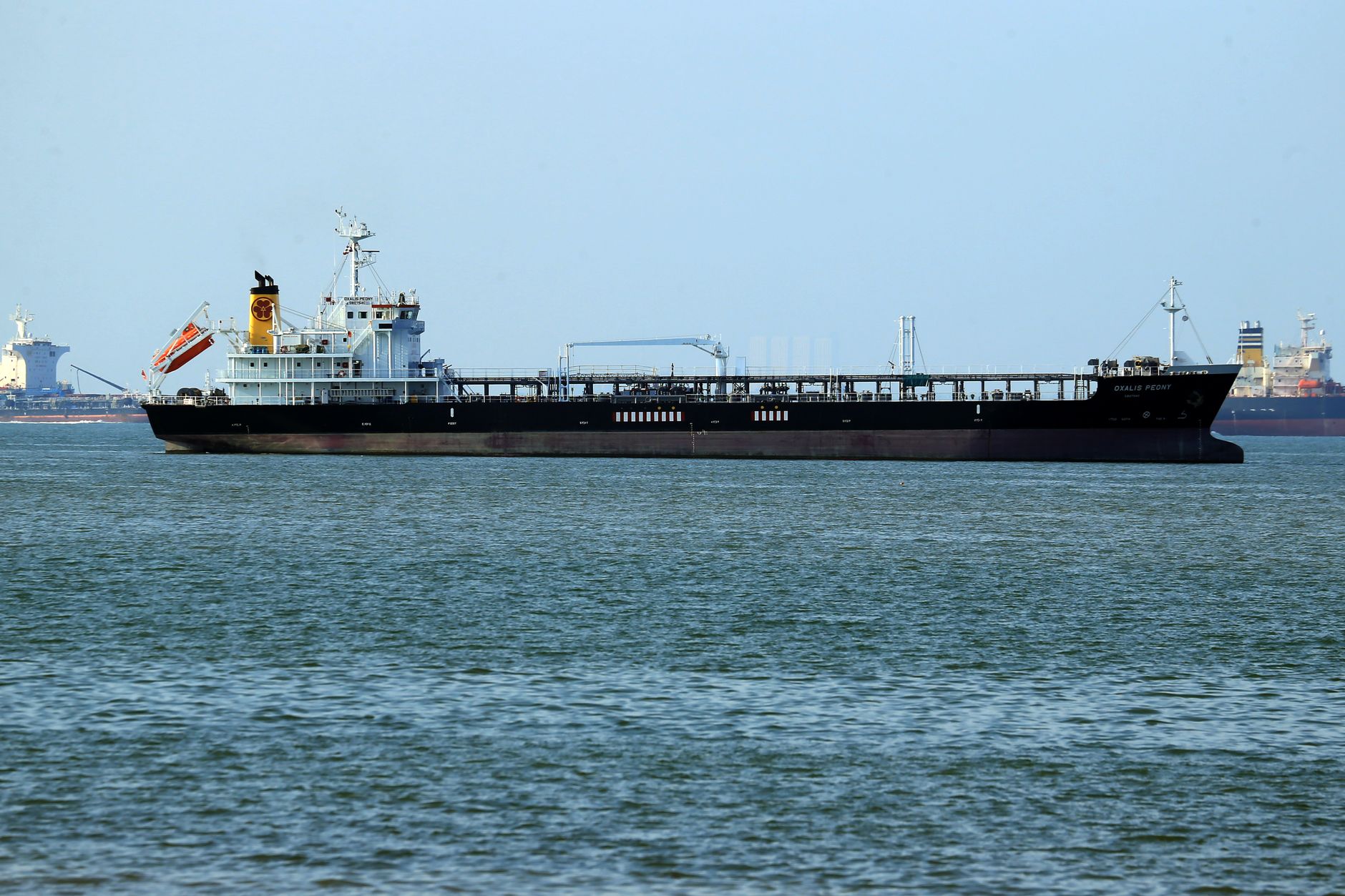
Tehran says no direct negotiations with Washington, contradicting Trump’s claim. Oil prices drop as diplomatic confusion deepens over the Strait of Hormuz.
Iran flatly denied on Monday that any negotiations with the United States are underway, directly contradicting President Donald Trump’s announcement that talks would begin that same day. The denial came just hours after Trump said he had called off planned military strikes on the Islamic Republic to give diplomacy a chance – a claim that sent global oil prices sharply lower.
Trump’s Last-Minute Reversal
Speaking to reporters on Air Force One on Sunday, Trump revealed that he had aborted strikes against Iran at the eleventh hour because he believed Tehran was open to negotiation. “Obviously, they don't want to be attacked,” he said, adding that discussions would start on Monday afternoon. The about-face marked a striking departure from the escalating military stance his administration had taken since the confrontation began in February.
Trump’s decision to hold fire was widely interpreted as an attempt to pursue a deal that would prevent a wider war. He did not provide details about the substance of the negotiations, nor who would represent the United States in any talks. The ambiguity left observers scrambling to understand what exactly had been agreed upon behind closed doors.

Tehran’s Denial and the Omani Channel
Iran’s Foreign Ministry spokesperson, Esmaeil Baghaei, quickly pushed back against Trump’s account. He told reporters in Tehran that the country was not currently negotiating with Washington, but that discussions were ongoing with Oman to secure passage through the Strait of Hormuz. Baghaei described the talks with Oman as “constructive” and focused on reaching an agreement for a new shipping route that would keep the vital waterway open.
He also made clear that Iran’s patience has limits, warning that as long as the US naval blockade on Iranian ports continues, the situation in the Strait would remain unchanged. The strait is a critical artery for roughly one-fifth of global oil consumption, and its partial closure has already caused severe economic pain across the Gulf and beyond.
Iran’s parliamentary National Security Committee spokesperson, Hassan Qashqavi, said on Monday that Tehran was close to an agreement with Oman on the strait. He also confirmed that Iranian mediators were seeking to revive a memorandum of understanding with Washington, suggesting that while direct talks are not taking place, indirect channels remain active through intermediaries.
Regional Reactions and Oil Market Jitters
Saudi Arabia, which had privately expressed alarm over the possibility of US strikes, welcomed the shift toward diplomacy. Over the weekend, Crown Prince Mohammed bin Salman spoke with Trump by phone and stressed the necessity of prioritizing dialogue to de-escalate tensions. According to Saudi state media, the crown prince also emphasized the importance of achieving a truce that would pave the way for diplomatic solutions and prevent the region from being drawn into a wider conflict.
The Saudi intervention was widely seen as a moderating influence on Trump, who had spent weeks threatening severe consequences for Iran. Riyadh fears that an open US-Iran war could devastate its own economy and infrastructure, particularly if the strait remains contested.
Global oil markets reacted instantly to the prospect of de-escalation. By mid-morning on Monday, the price of North Sea Brent crude for October delivery – trading as the benchmark contract for the first time – had dropped 4.59 percent to $83.89 a barrel. The sharp decline underscored how sensitive traders remain to any sign that the standoff might ease, or alternatively, intensify.

Background: A Disruptive Conflict
The current crisis traces back to February, when the US-Israel alliance and Iran entered into open conflict. Since then, thousands of people have been killed and massive economic damage has been inflicted, particularly on Gulf states that have faced repeated attacks from Iranian forces. The closure of the Strait of Hormuz has been especially disruptive, halting oil exports and threatening global energy supplies.
For months, the reopening of the waterway has been a central goal for both regional powers and the international community. The Omani mediation effort represents one of the first concrete steps toward that objective, but the underlying political tensions remain unresolved.
What Comes Next
The coming days will test whether Trump’s “last-minute” decision was a genuine prelude to negotiation or simply another twist in a volatile standoff. Iran’s insistence that no direct talks are happening leaves significant room for misunderstanding and mistrust. If the Omani-led effort can produce an agreement on the strait, it could create a foundation for broader discussions. But if the phrase “negotiation” is used too loosely, the region could easily slip back toward open warfare.
For now, the world watches and waits to see whether actions will match words – and whether the oil markets’ sudden calm will hold.