Iran Claims Drone Strike Destroyed US Radar in Kuwait

Iran's IRGC says it destroyed an early-warning radar system and set MQ-9 drones ablaze at Kuwait's Ali Al Salem base, escalating regional tensions.
Iran’s Islamic Revolutionary Guard Corps (IRGC) on Wednesday claimed responsibility for a series of drone attacks against US military facilities at the Ali Al Salem Air Base in Kuwait, asserting that the operation completely destroyed an early-warning radar system and damaged multiple aircraft. The claim, carried by Iran’s state-run IRIB news agency, marks a significant escalation in the shadow war between Tehran and Washington, bringing hostilities directly to a key US ally in the Persian Gulf.
Details of the Attack
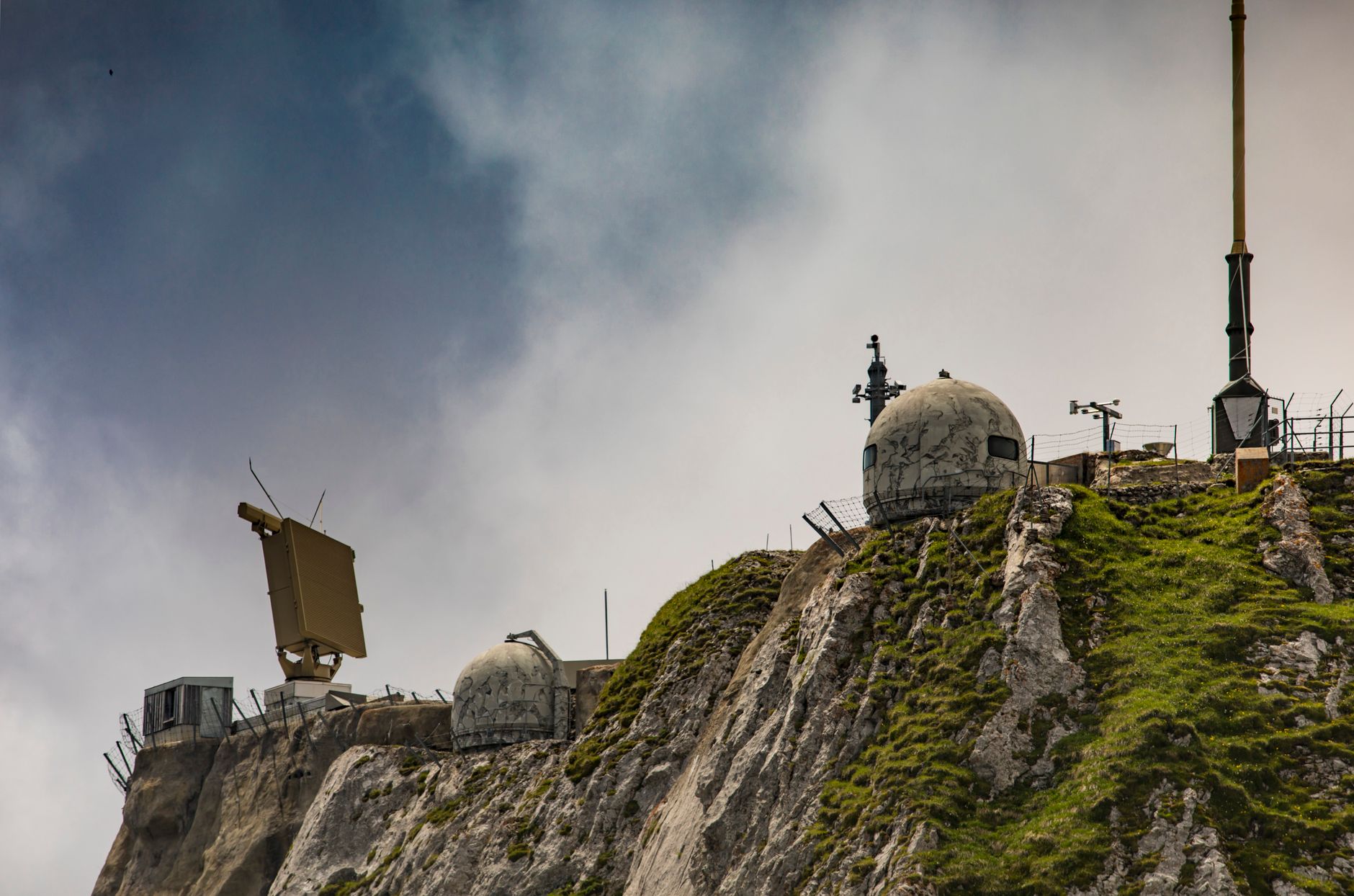
According to the IRGC statement, the drone strike specifically targeted an early-warning radar installation, which it said was “completely destroyed.” The attack also hit an aviation equipment warehouse and a hangar housing US MQ-9 Reaper drones, setting several of the unmanned aircraft ablaze. The IRGC did not provide evidence of the damage, and US Central Command has not yet confirmed the claims. Kuwaiti officials have not commented publicly on the incident.

Strategic Implications
The Ali Al Salem base, located in western Kuwait, hosts hundreds of US troops and serves as a critical logistics hub for American operations in the Middle East. If confirmed, the attack would represent one of the most brazen Iranian strikes against US forces since the 2020 assassination of Qasem Soleimani. The choice of Kuwait—a country with close ties to both the US and Saudi Arabia—suggests Iran is willing to expand its asymmetric warfare beyond Iraq and Syria.
Regional Reactions
Neighboring Gulf states have remained largely silent, but the attack is likely to unnerve Kuwait and other US partners. Iran’s ability to strike deep into Kuwaiti territory with drones raises questions about the effectiveness of air defense systems in the region. The US maintains Patriot batteries in several Gulf countries, but their performance against low-flying drones has been inconsistent.
Background of Tensions
The strike comes amid a broader deterioration in US-Iran relations. The Biden administration’s failure to revive the nuclear deal has left both sides in a cycle of escalation. Iran has increasingly relied on drones and missiles to project power, including attacks on Saudi oil facilities in 2019 and on US bases in Iraq. The IRGC’s claim also follows reported Israeli strikes on Iranian assets in Syria, suggesting possible coordination or retaliation.
Looking Ahead
The US is likely to respond with a combination of diplomatic pressure and possible military reinforcement. However, a direct confrontation remains unlikely as both sides seek to avoid a wider war. The incident underscores the growing sophistication of Iranian drone warfare and the vulnerability of even well-protected bases. Analysts expect Iran to continue testing US resolve through non-conventional means, particularly as it pursues leverage in nuclear negotiations. The coming days will reveal whether Kuwait is drawn further into the conflict or if the attack remains a one-off provocation.