FIFA emergency meeting in Rabat as investment plan collapses

FIFA president Gianni Infantino has convened an emergency meeting in Rabat as pressure mounts over the abandoned plan to bring private investment into tournament operations. The gathering signals deep unease within football's governing body.
FIFA president Gianni Infantino has convened an emergency meeting of senior staff in Rabat, Morocco, as the organisation faces mounting pressure over its abandoned plan to bring private investment into a company responsible for running its tournaments. The hastily arranged gathering underscores the urgency with which FIFA is seeking to manage the fallout from a proposal that has stirred debate about the future of football's commercial operations.
The investment plan that wasn't
At the centre of the storm is FIFA's decision to shelve a proposal that would have allowed outside investors to take a stake in the entity that runs its competitions. The idea was reportedly considered as a way to boost revenue and reduce financial risk, but it met with opposition from various quarters, including concerns about governance, transparency, and the integrity of FIFA's tournament business. By abandoning the plan, FIFA has left observers wondering about its next move—and whether the pressure from critics will force a broader rethink.
The abandoned proposal, which had been pitched as a potential game-changer for FIFA's finances, is now a source of tension. While the details of the plan were not made public, the decision to walk away has raised questions about the organisation's strategy and the level of dissent the proposal generated.
A leadership test for Infantino
The emergency meeting in Rabat places Infantino squarely in the spotlight. The FIFA president has long championed reforms aimed at modernising the organisation, but the investment episode threatens to undermine that narrative. Staff gathered in the Moroccan capital will be looking for direction on how to navigate the fallout and reassure stakeholders that FIFA remains stable. For Infantino, the meeting is an opportunity to project control and demonstrate that the organisation can weather controversy.
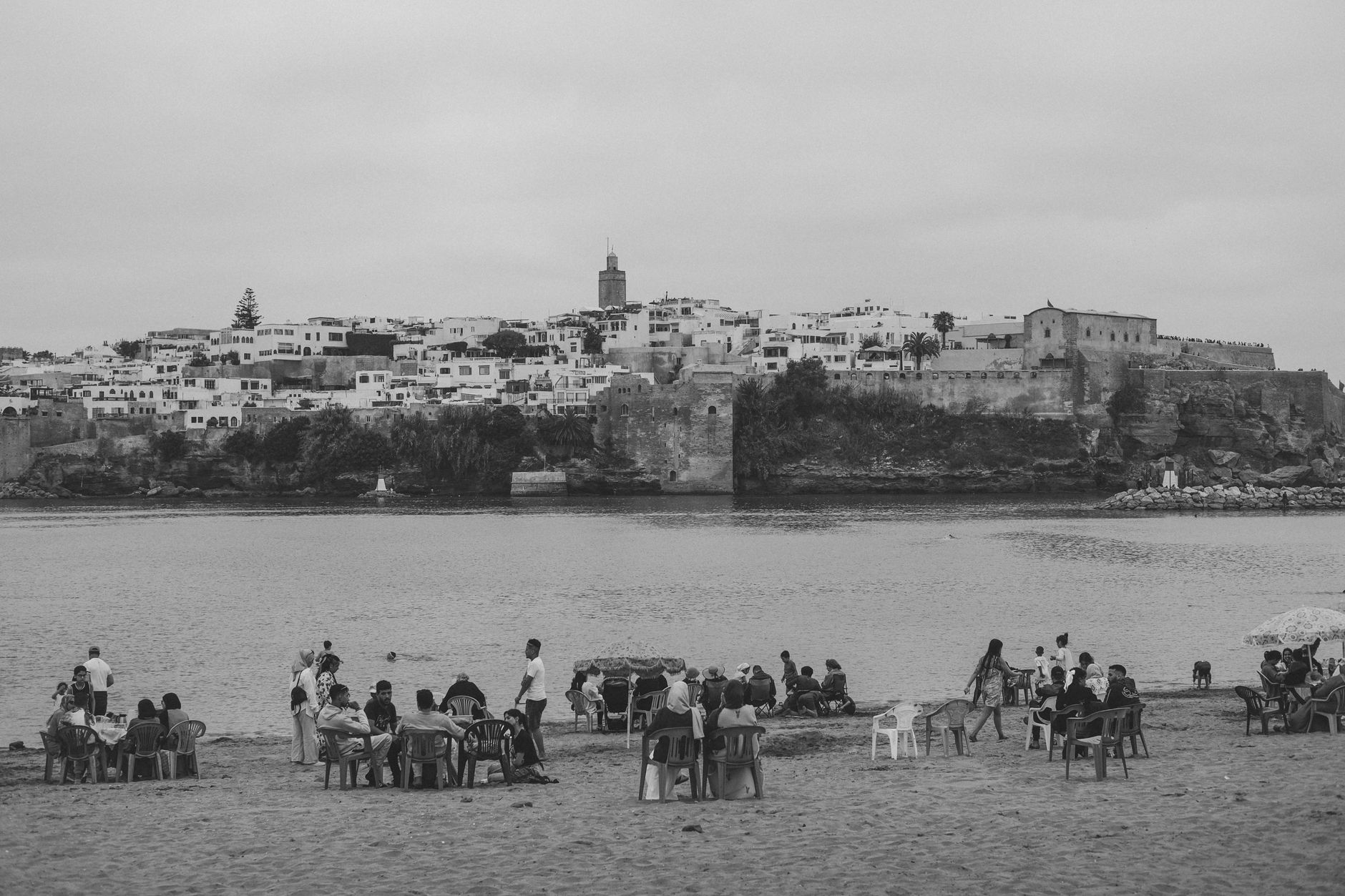
The choice of Rabat is also noteworthy. Morocco has been an increasingly important partner for FIFA, and the venue selection signals that the organisation is seeking to project a sense of normalcy and continuity even as internal debates simmer. The emergency session is likely to be measured by how clearly it addresses the concerns that have been raised and whether it calms the anxieties of those within FIFA who fear the episode may have damaged the institution's reputation.
What happens next?
FIFA will need to determine whether to revisit the investment concept in a different form or abandon it permanently. The meeting in Rabat may yield a clearer statement on the path forward, but the underlying financial pressures that made private investment attractive have not disappeared. Meanwhile, the attention on FIFA's decision-making is unlikely to fade. The organisation must balance its need for revenue with the demands of accountability and the expectations of the global football community. The outcome of this emergency session could have lasting implications for how FIFA conducts its business.
For now, the world is watching to see whether Infantino can turn this moment of crisis into a demonstration of leadership, or whether the abandoned plan will become another chapter in a long history of FIFA controversies. The meeting in Rabat is the first step, but the road to restoring confidence will be much longer.
