India Education Minister Resigns; Cockroach Party Protesters Claim Win
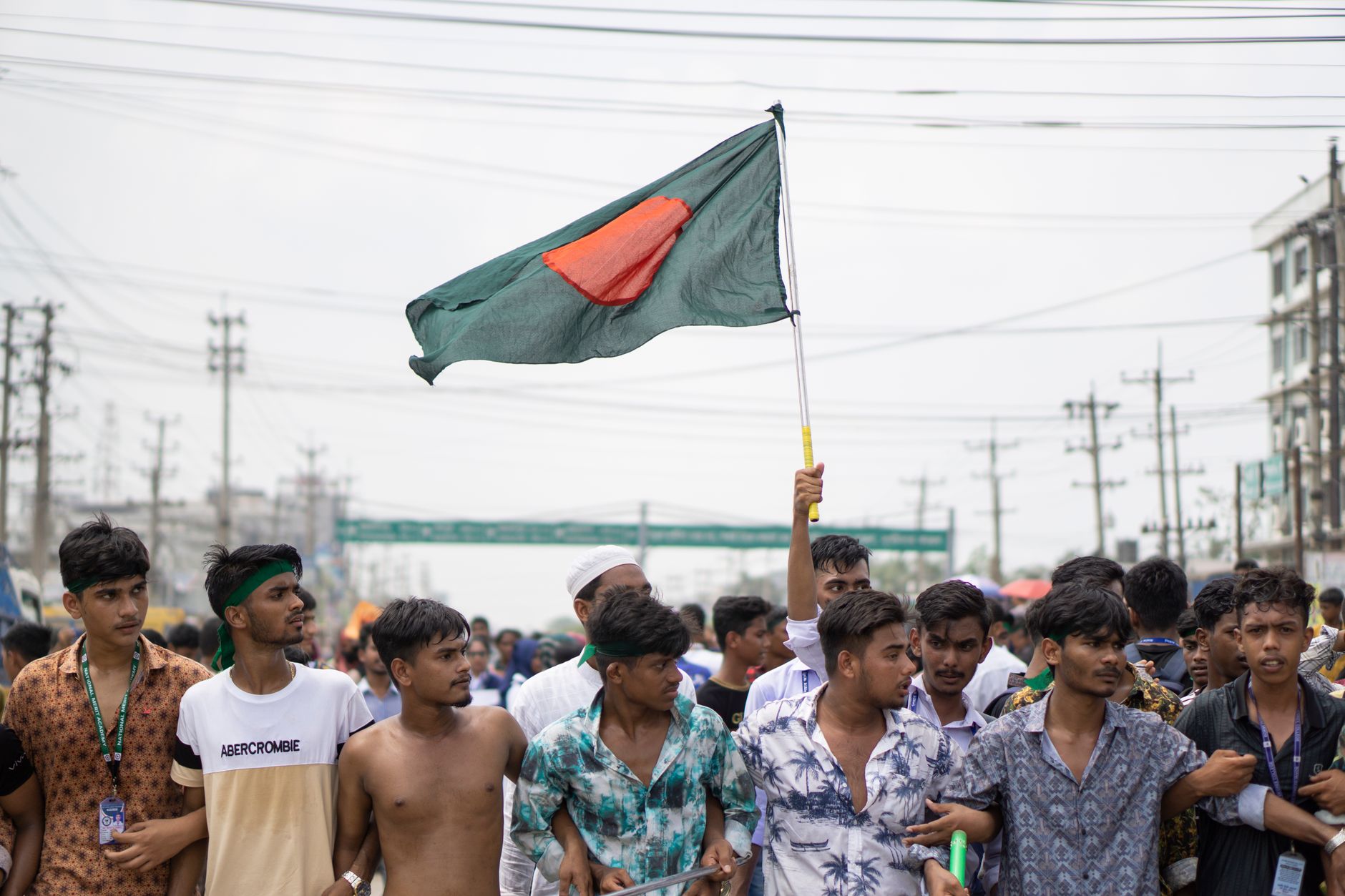
India's education minister steps down after weeks of protests by the Cockroach Janta Party, which calls off demonstrations but deep youth anger remains.
India's Education Minister resigned on Tuesday, yielding to weeks of sustained protests organized by the Cockroach Janta Party (CJP). The party immediately declared an end to its demonstrations, framing the resignation as a significant victory. However, the underlying frustrations that drove young people into the streets remain largely unresolved, raising questions about the stability of the government's education policy and its relationship with a restive youth population.
The Protest Movement
The protests, which began several weeks ago, were spearheaded by the Cockroach Janta Party, a relatively new political force that has tapped into deep dissatisfaction among students and young job seekers. Demonstrators demanded the minister's ouster, citing failures in educational reform, rising unemployment, and a lack of accountability in the ministry. The movement quickly gained momentum, with thousands gathering in major cities, disrupting normal life and drawing national attention.
The CJP's leadership framed the protests as a fight for the future of India's youth. While the party has a relatively small footprint in national politics, its ability to mobilize large crowds underscored the depth of public anger. The minister's resignation is seen as a direct response to that pressure.
Resignation and Immediate Reactions
The resignation was accepted by the Prime Minister late Tuesday, with a brief statement thanking the minister for his service. The former minister's office did not comment further. In contrast, the Cockroach Janta Party held a press conference celebrating the outcome. A party spokesperson called it a victory for the people and announced that ongoing protests would be suspended pending further review. However, the spokesperson also suggested that the party would remain vigilant and could resume actions if the government failed to address broader grievances.
Political analysts noted that while the resignation represents a tactical win for the CJP, it also places the party under pressure to deliver tangible changes. The government has yet to announce a successor or outline any new policy directions.
Lingering Youth Discontent
Despite the celebratory mood among protesters, the core issues that sparked the unrest—high youth unemployment, a mismatch between education and job markets, and perceived bureaucratic inertia—persist. Many young Indians feel that the system is failing them, and the removal of one minister does not address systemic problems. The protests have highlighted a generational divide, with younger citizens demanding faster, more transparent reforms.
Deep-seated anger remains, and experts warn that if the government does not take concrete steps soon, the CJP or other groups could easily reignite the movement. The resignation may serve as a temporary release valve, but it does not resolve the structural challenges facing India's education and employment sectors.
What's Next?
The coming weeks will be crucial. The government must appoint a new education minister quickly to signal continuity and commitment to reform. For the Cockroach Janta Party, the challenge now is to translate street protests into sustained political influence. The party has indicated it will continue to advocate for policy changes and hold the government accountable. Meanwhile, the youth who filled the streets remain watchful, their anger simmering beneath the surface. This episode may be a turning point, but whether it leads to meaningful change or just a momentary pause depends on the actions of all parties involved.
