India’s ‘cockroach’ protesters claim victory as government yields to demands
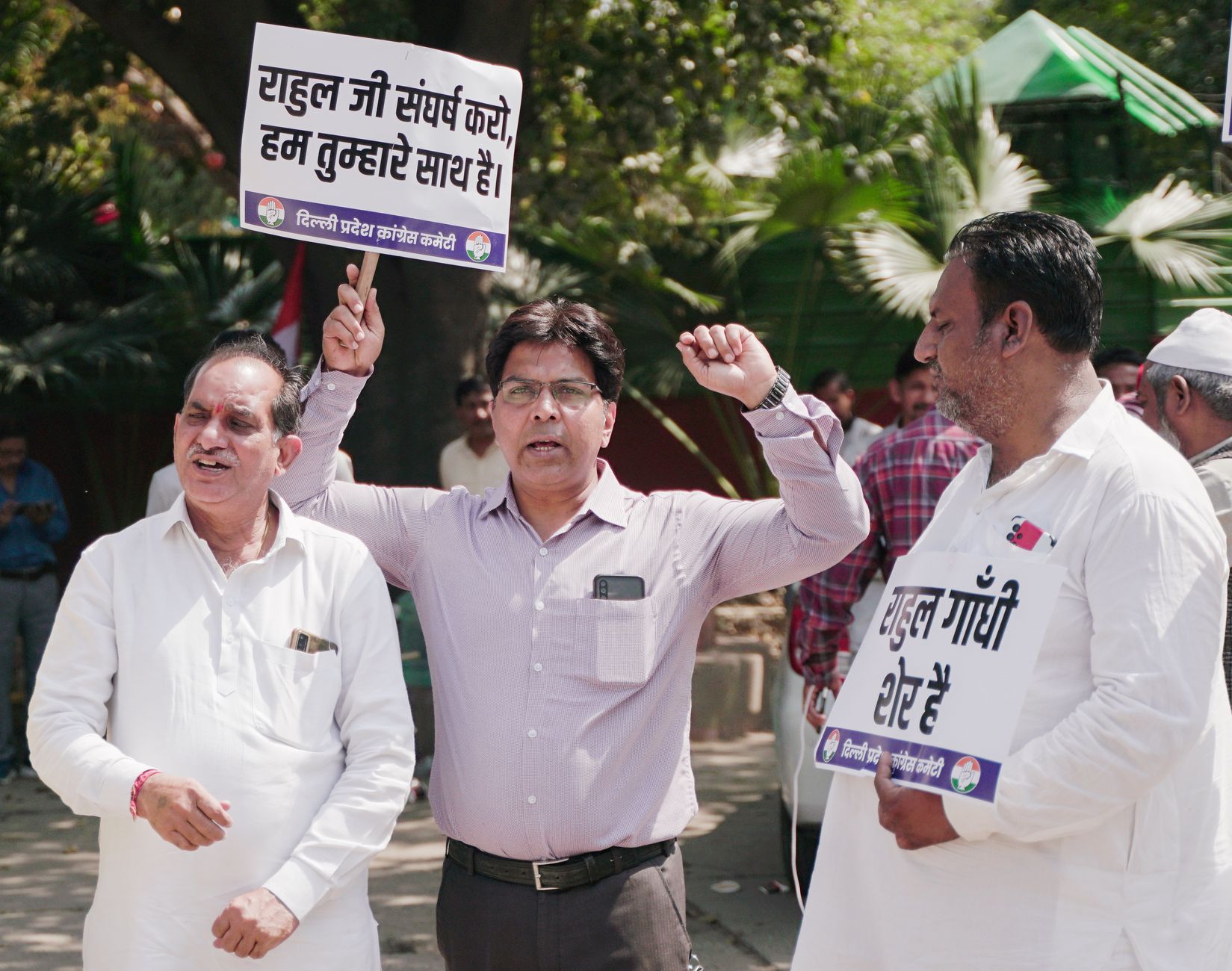
After weeks of demonstrations over exam leaks, India's youth-led 'Cockroach Janta Party' wins major concessions as education minister resigns and government accepts all demands.
India’s youth-led protest movement, calling themselves the ‘Cockroach Janta Party’ (CJP), declared victory after the government accepted all their demands, including the resignation of Education Minister Dharmendra Pradhan. The protests, which began in late June, were triggered by leaks of national exam papers that forced a resit affecting 2 million students and ignited broader anger over limited opportunities for young Indians. The movement’s success marks a rare political concession from Prime Minister Narendra Modi’s administration, which typically resists bowing to public pressure.
Education Minister Resigns, Government Concedes
In a surprise move, Pradhan announced his resignation on X (formerly Twitter), citing the situation at the Jantar Mantar protest site and across the country. “I deeply respect the aspirations, feelings, and legitimate expectations of the country’s youth,” he wrote. Hours later, Health Minister J.P. Nadda and Minister Jitendra Singh held a joint press conference with CJP spokespersons, confirming the government had accepted all demands. These include reforms to the exam system, dropping police cases against protesters, and compensating families of students who died by suicide after the exam leaks.

Background: From Exam Leaks to a Full-Blown Crisis
The protests erupted after the leak of the National Eligibility cum Entrance Test (NEET) for medical school admissions in May, followed by a leaked state exam paper. The government ordered a resit, but the damage had already galvanized young Indians frustrated with corruption and lack of jobs. Calling themselves ‘cockroaches’—a term meant to symbolize resilience—they occupied Delhi’s Jantar Mantar, a historic protest site. Clashes with police, who used tear gas, fueled further public anger. Opposition parties echoed the youths’ demands and disrupted the monsoon session of parliament, blocking key legislation.
Political Implications for Modi’s Government
The crisis is the worst political challenge for Modi’s third term. Young voters are a critical BJP base, but the protests risk alienating them ahead of key state elections next year. Modi’s reputation for refusing to bend under pressure has been dented. The CJP victory mirrors similar youth-led movements in neighboring Sri Lanka, Nepal, and Bangladesh that brought down governments in recent years, highlighting a regional trend.

Celebrations and Withdrawal
Thousands of protesters erupted in celebration at Jantar Mantar, chanting “Jai Hind” (Victory to India) and distributing sweets as the national anthem played. Roads near Connaught Place were shut as the crowd swelled. CJP founder Abhijeet Dipke declared, “We have done it,” to loud cheers. Spokesperson Saurav Das announced, “The Cockroach Janta Party declares that we withdraw the agitation in good faith.” Urging protesters to go home peacefully, CJP spokesperson Ashutosh Ranka told the crowd, “The bottom line is we have won, your struggle, hard work, and patience have paid off.”
The movement’s success sets a precedent for youth-led activism in India. With state elections looming, the BJP will need to address structural issues like exam security and job creation. The CJP has vowed to remain vigilant, ensuring the government follows through on its promises. For now, the cockroaches have had their moment—and India’s political landscape may never be the same.