India's 'cockroach' protest called off after education minister quits
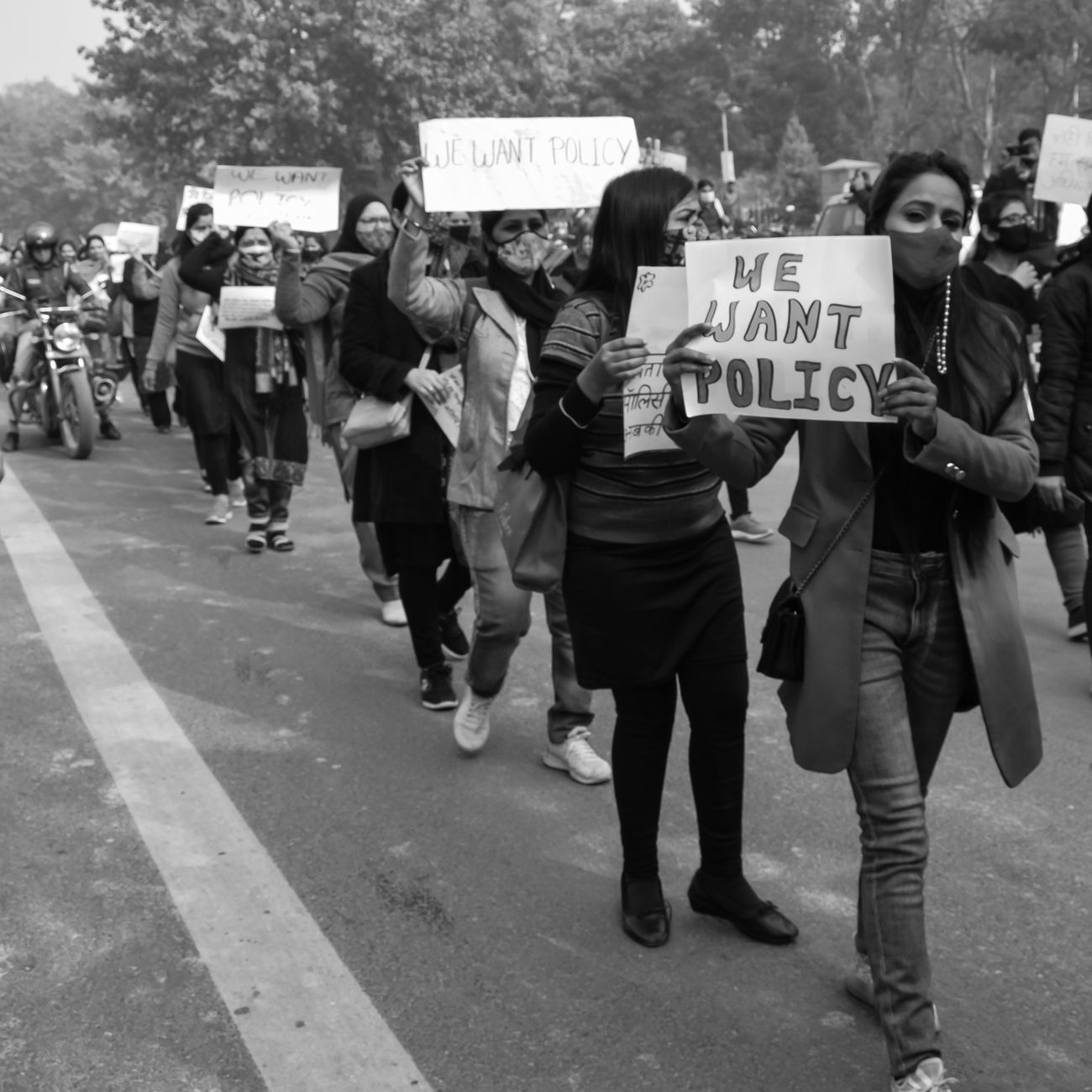
India's satirical 'Cockroach Janta Party' ended its five-week protest after Education Minister Dharmendra Pradhan resigned, sparking celebrations at Delhi's Jantar Mantar.
A five-week-long protest by India's satirical 'Cockroach Janta Party' (CJP) was called off on Friday hours after Education Minister Dharmendra Pradhan resigned, marking what organizers called a victory for democracy. Thousands of jubilant supporters gathered at Jantar Mantar in Delhi, the main protest venue, to celebrate the resignation of Pradhan, who had become the target of widespread youth anger over education system failures and exam paper leaks.
Resignation and celebrations
Pradhan announced his resignation on social media platform X, writing in Hindi that he respected the aspirations of the youth and was pained by recent events. He cited a desire to prevent anti-national forces from exploiting the situation and to protect students' futures from legal complications. As news broke, CJP founder Abhijeet Dipke, a 30-year-old political strategist, emotionally declared from the protest stage, 'We have done it.' Cheers erupted as protesters sang, danced, and distributed sweets. Even hours after the official end of the protest, crowds remained at Jantar Mantar, reluctant to leave without celebrating.

Rise of the Cockroach Janta Party
The CJP began as an online satire after India's Chief Justice referred to unemployed youth turning to activism as 'cockroaches.' Though he later clarified he meant those with fake degrees, the term was reclaimed as a symbol of defiance. The movement, led by Dipke, quickly gained 26 million Instagram followers and evolved into a platform for youth dissent. It demanded education reforms, accountability for exam paper leaks, and Pradhan's resignation. The protest became the most visible expression of public anger against Prime Minister Narendra Modi's government in recent years.
Police crackdown and hunger strike
The movement gained momentum after a police crackdown on a march to parliament on Monday left dozens injured. Global attention followed when activist Sonam Wangchuk joined on June 28 and began an indefinite hunger strike. As his health deteriorated, police forcibly removed him to a hospital, where he continued fasting. He ended his strike Friday morning after government assurances that his demands would be addressed.
Outlook and implications
With Pradhan's resignation and the protest called off, the CJP has demonstrated the power of digital-age satire in mobilizing young Indians. Opposition parties and celebrities had shown solidarity, amplifying the movement. However, the underlying grievances—unemployment, education reform, and accountability—remain. The government's next steps will be closely watched, as the CJP has signaled it will continue to press for systemic changes beyond the Minister's resignation.