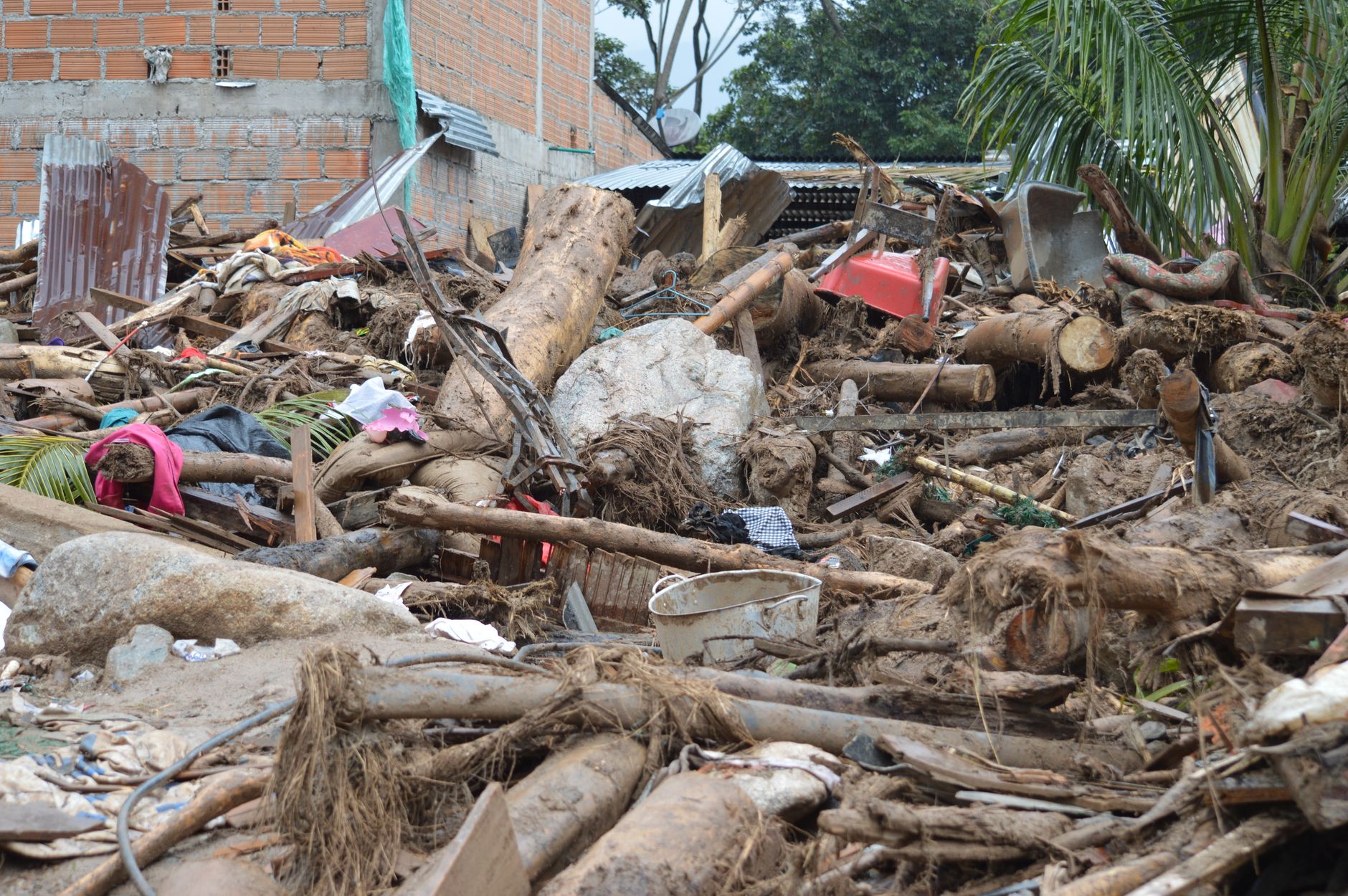
Tangshan earthquake: 1976 disaster killed over 240,000 in China
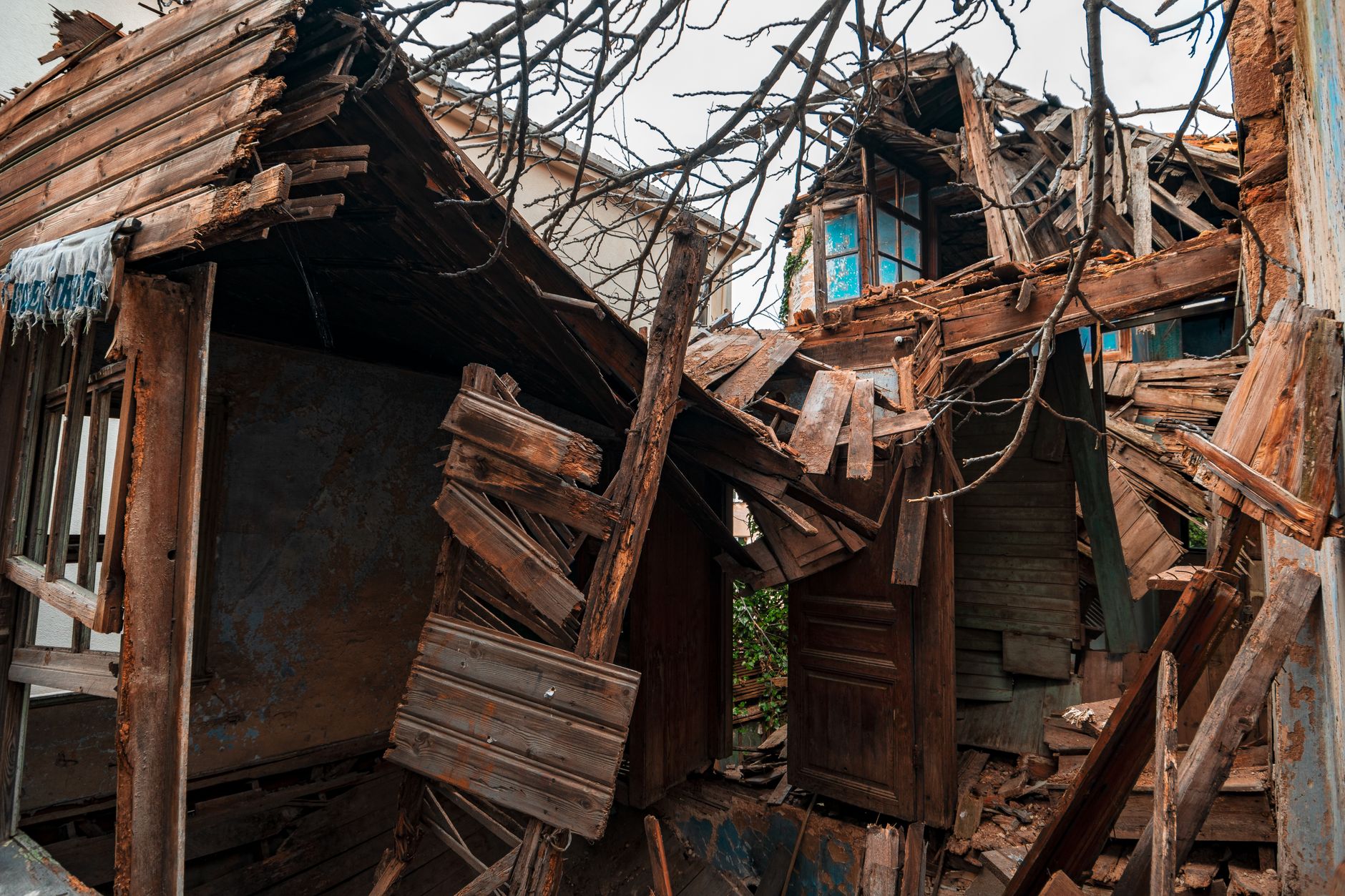
On this day 50 years ago, the deadliest earthquake in recorded history razed Tangshan, China. The 7.8-magnitude quake killed over 240,000 people and devastated an industrial region.
On July 28, 1976, the sleeping city of Tangshan in China’s Hebei province was shattered by a 7.8-magnitude earthquake that would become the deadliest in recorded history. The quake struck at 3:42 a.m., leveling the mining and industrial hub and killing an estimated 242,000 to 655,000 people, though official figures later settled on 242,769. More than 164,000 others were severely injured. The disaster is one of the worst natural calamities of the 20th century.
The quake that shook an industrial belt
Tangshan, an industrial city of about 1.6 million people at the time, lay near the epicenter, about 90 miles east-southeast of Beijing. The quake hit during a period of political upheaval in China—the Cultural Revolution was still ongoing, and the country was under the leadership of Mao Zedong, who would die just two months later. The destruction was immense: 85% of buildings in Tangshan collapsed or were rendered uninhabitable. The city’s coal mines, steel mills, and power plants were heavily damaged, crippling a key economic region.
The initial tremor was followed by a powerful aftershock 16 hours later, of nearly equal intensity, compounding the devastation and hampering rescue efforts. Survivors described the ground rolling like waves, followed by an eerie silence and then the cries of the trapped.

International accounts and confirmed casualties
Foreign nationals present in the area were among the dead. A Japanese businessman in Tangshan was confirmed killed, and six other Japanese nationals were injured and treated in a Beijing hospital. A Frenchwoman, approximately 30 years old, was also reported killed in Tangshan. The visiting former Australian Prime Minister Gough Whitlam, who had spent the night in Tianjin (then Tientsin), told reporters in Beijing before departing for Japan that his Chinese hosts had informed him of deaths in Tianjin. He noted “an awful lot of damage” in the municipality.
The Chinese government initially provided limited information, typical of the era’s secrecy. It was not until years later that the full scale of the catastrophe became known. The earthquake registered between 7.8 and 8.2 on the Richter scale, making it one of the most powerful in the region.
Legacy and lessons learned
The Tangshan earthquake prompted significant changes in China’s approach to disaster preparedness. Building codes were overhauled, and seismic monitoring systems were expanded. The tragedy also led to the establishment of China’s modern earthquake early warning systems. In the immediate aftermath, the lack of preparation—such as unreinforced brick buildings and limited rescue equipment—contributed to the staggering death toll. The city of Tangshan was rebuilt, and today it is a modern metropolis with a population of over 7 million, but the memory of July 28, 1976, remains seared into the nation's consciousness.
As the world marks the 50th anniversary of this catastrophe, researchers continue to study the event to better predict future quakes. China remains prone to seismic activity, and the lessons of Tangshan have saved countless lives in subsequent earthquakes, such as the 2008 Wenchuan disaster. The deadliest earthquake in history serves as a sobering reminder of nature’s power and the critical need for resilient infrastructure.