Women's Heart Attack Symptoms: A Hospital Worker's Wake-Up Call

A neurosurgery coordinator ignored subtle chest pressure, thinking it was a pulled muscle. Her story highlights how women's heart attack symptoms often differ from men's.
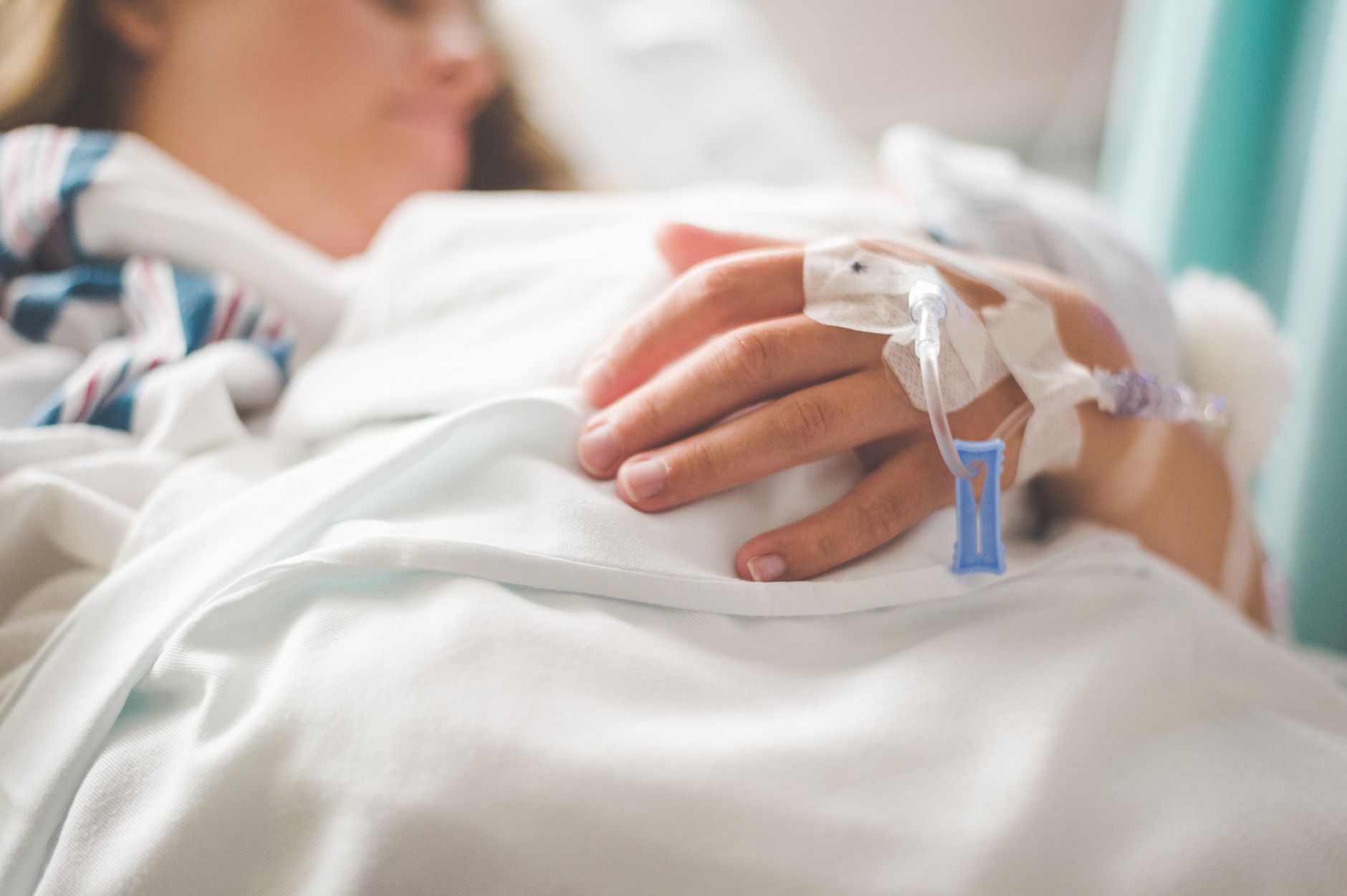
A few months ago, a neurosurgery coordinator at a hospital noticed a strange pressure in her chest and rib cage when she stood up and walked. She dismissed it as a pulled muscle. But the sensation persisted, and a co-worker urged her to visit the emergency room. Tests initially showed nothing abnormal, but the next day, a cardiologist found severe blockages in two arteries, including the left anterior descending artery—the so-called “widowmaker.” She needed a stent to restore blood flow. Her experience underscores a critical gap in awareness: heart attack symptoms can look very different in women than in men, and even healthcare professionals can miss the warning signs.
Subtle Signs, Different Symptoms
The classic heart attack image—crushing chest pain, left arm numbness—is more common in men. According to the American Heart Association, women are more likely to experience nausea, vomiting, shortness of breath, extreme fatigue, indigestion, or pressure in the lower chest, upper abdomen, jaw, neck, or upper back. Chest pain may be absent altogether. In this case, the patient felt a squeezing sensation only when moving, with no pain or breathing trouble. She initially ignored it, even though she worked in a hospital surrounded by posters of heart distress signs. “I barely glanced at the pictures, having memorized them years ago,” she recalled.

Why Even Healthcare Workers Can Miss It
Heart disease is the number one killer of women in the United States, causing about one in three deaths each year—more than all cancers combined. Yet many women, and even medical staff, are trained to recognize the male-centric symptoms. Initial tests can also be misleading. In this case, both the electrocardiogram and troponin levels were normal, leading emergency staff to discharge the patient with cholesterol and blood pressure medication. It was only when she called a cardiologist the next morning that catheterization revealed the blockages. “The ER staff thought I might have had a heart attack and would have been on my way to another without medical intervention,” she said. “When I heard the news, I was stunned.”
A Lesson in Advocacy
Studies show that women often delay seeking care for heart attacks because they do not recognize their symptoms as cardiac. Pregnancy-related conditions such as high blood pressure, menopause, hormone replacement therapy, and birth control use can further complicate risk assessment. The patient credits her co-worker with saving her life: a simple suggestion to go to the ER made all the difference. “I owe her my life,” she said. Her story serves as a powerful reminder that anyone—even those trained in healthcare—must remain vigilant. If something feels off, especially when it involves unusual chest pressure, shortness of breath, or unexplained fatigue, it is worth getting checked.
Greater awareness of sex-specific symptoms could save countless lives. Hospitals and public health campaigns are increasingly incorporating these differences into training materials, but more work is needed. For women, knowing the full spectrum of heart attack signs—and trusting their instincts when something feels wrong—may be the most important step toward prevention.