Guyana Ferry Sinks: 2 Dead, Missing Count Unclear as Search Widens

A passenger ferry sank off Guyana late Saturday, killing two. Authorities discovered the ship's manifest was inaccurate, complicating search efforts for survivors.
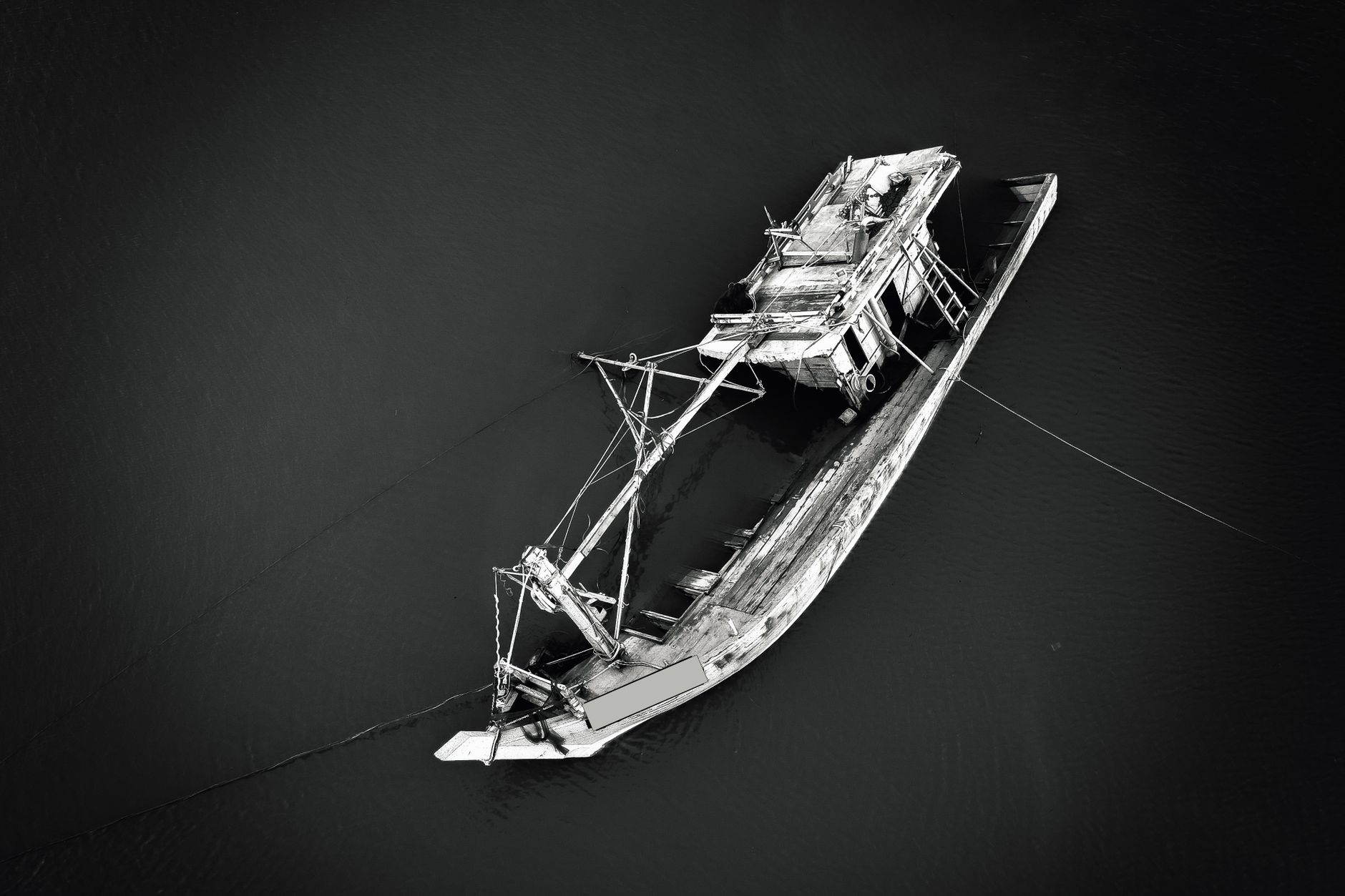
A massive search-and-rescue operation is underway off the coast of Guyana after the passenger ferry MV Barima sank late Saturday night, killing at least two people and leaving the exact number of passengers and missing unclear due to a disputed manifest. The accident, which authorities describe as one of the country’s worst maritime disasters, has triggered a criminal investigation after the vessel’s captain and first engineer allegedly tested positive for marijuana and the passenger list was found to be inaccurate.
Ferry Capsizes in Darkness
The MV Barima departed Georgetown, the capital, at approximately 3:15 p.m. on Saturday, bound for Port Kaituma in the Essequibo region near the Venezuelan border. A distress call was received around 11 p.m., prompting an emergency response from the Guyana Defence Force Coast Guard and Air Corps, private aircraft, fishing vessels, and civilian volunteers. The search area was initially 400 square kilometers but was expanded to 1,070 square kilometers on Sunday, with additional aircraft and vessels deployed alongside local fishermen familiar with the waters. By Sunday night, 67 people had been rescued, but the passenger manifest—listing 116 passengers and 17 crew members—was called into question.
Manifest Discrepancies and Drug Allegations
Speaking at a press conference alongside Prime Minister Mark Phillips, Public Works Minister Juan Edghill expressed outrage after discovering that only 35 of the 67 rescued individuals were listed on the ship's manifest. “We are talking about operational breaches; people will be dealt with,” Edghill said. The captain and first engineer, both of whom allegedly tested positive for cannabis, are in police custody. Edghill had earlier stated that the MV Barima was certified to carry up to 397 passengers and 284 tonnes of cargo, and was equipped with 250 lifejackets, two lifeboats, and six inflatable rafts. No mechanical problems were reported, and the vessel was operating within legal limits, but the inaccurate manifest has raised serious concerns about compliance with maritime safety regulations.
Prime Minister Pledges Thorough Investigation
Prime Minister Mark Phillips described the manifest discrepancy as “deeply concerning and shocking.” The government has ordered an urgent and comprehensive investigation involving the Guyana Police Force, the Guyana Defence Force, the Maritime Administration Department, and other technical maritime experts. “Let me be absolutely clear: where negligence, misconduct, or criminal wrongdoing is established, those responsible will face the full force of the law,” Phillips said. The investigation will examine the accuracy of the passenger manifest and adherence to safety regulations.
Survivor Recounts Terrifying Moments
Among the survivors was Adam Matabheek, who was traveling with his wife, brother, sister-in-law, and three young nieces and nephews. He recalled noticing the vessel leaning several hours before it capsized. “We dismissed it as rough water and went to sleep,” he said. Moments later, the ferry rolled over. “I ended up in the water,” he recounted, describing the chaos and panic as passengers struggled to reach life jackets and rafts in the dark. His family was among those rescued, but the ordeal has left him shaken.

Implications for Maritime Safety in Guyana
The disaster has raised urgent questions about safety protocols on Guyana’s ferries, particularly in the remote Essequibo region, where water transport is vital. The government has vowed to hold accountable anyone found negligent, and the criminal investigation is expected to scrutinize the captain’s actions and the accuracy of passenger documentation. As search efforts continue, the country faces a grim reckoning over how such a tragedy could occur, and what reforms are needed to prevent a recurrence.