Ceuta migrant crisis: How 50,000 arrivals split Europe

The Spanish enclave of Ceuta faces a humanitarian crisis after an estimated 50,000 migrants crossed from Morocco, leaving dozens dead and deepening EU divisions.
An estimated 50,000 people crossed from Morocco into the Spanish enclave of Ceuta last week, a dramatic surge that left dozens dead and pushed the European Union’s migration policy to the brink of open conflict. The influx has not only triggered a full-blown political crisis in Spain but also exposed deep divisions among EU member states over how to respond to the ongoing pressures at their southern borders.
The magnitude of the migration wave
The events in Ceuta unfolded rapidly. Reports from the ground indicated that the border crossing was overwhelmed as thousands of migrants took advantage of a loosening of Moroccan border controls. Within hours, the city—with a population that is a fraction of the number of arrivals—was struggling to cope. Temporary shelters were set up in sports halls and abandoned buildings, but the sheer volume of people created a humanitarian emergency. Dozens of individuals lost their lives during the crossing, a stark reminder of the dangers faced by those who attempt to reach European soil through this route.
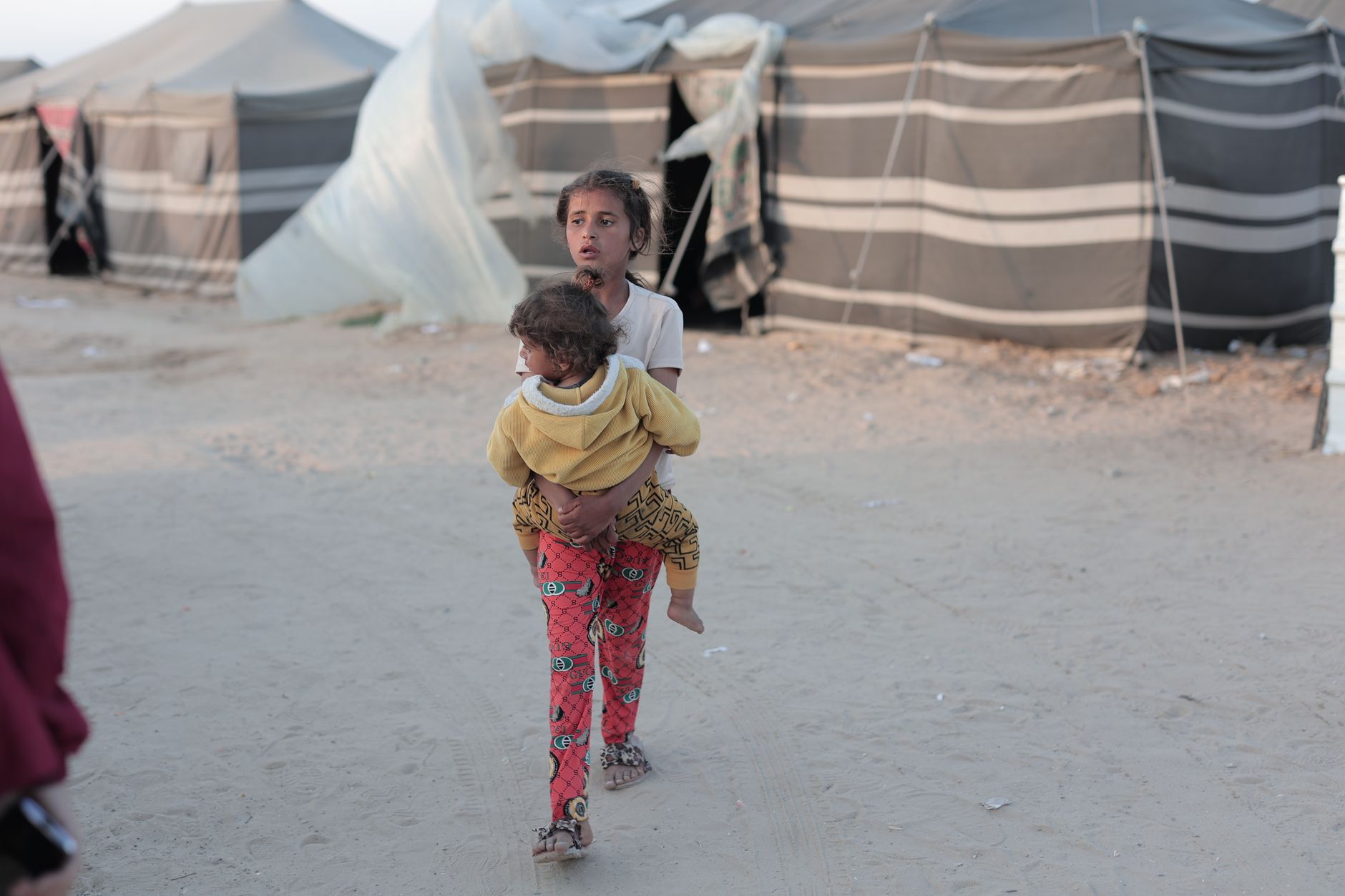
The sudden and massive influx stretched local resources to their limit, leaving authorities scrambling to provide food, water, and medical care to thousands of people. Volunteers and rescue workers raced against time to save those still in danger, while the city’s infrastructure, designed for a far smaller population, buckled under the strain.
Political turmoil in Spain
The political fallout was immediate. The Spanish government, already navigating watertight fiscal and social policies, was caught off guard. Opposition parties have turned the crisis into a referendum on the prime minister’s leadership, demanding resignations and a full inquiry into border management. The government has responded by pledging to reinforce security while also seeking to process the arrivals according to humanitarian standards. But the twin pressures of domestic politics and EU pressure have made this a delicate balancing act.
Calls for action have grown louder within Spain, with local authorities in Ceuta asking for urgent assistance from the central government. The incident has pushed migration to the top of the political agenda, overshadowing other legislative battles and threatening to reshape the country’s political landscape in the coming months.
EU divisions laid bare
The crisis in Ceuta has reverberated far beyond Spain’s border. Within the European Union, it has reignited a long-running argument about how to manage external frontiers and share responsibility for asylum seekers. Some governments have expressed sympathy for Spain’s predicament, while others have been openly critical, suggesting that stronger border enforcement could have prevented the influx. The debate has exposed a familiar split: between member states that favor a tougher, security-first approach and those that insist on upholding the rights of migrants and international law. This fundamental disagreement has already stymied efforts to forge a common EU migration policy, and the Ceuta emergency has only widened the rift.
The controversy also highlights the bloc’s reliance on neighboring countries to police its borders—a dynamic that can turn into a diplomatic weapon when tensions rise. Europe’s inability to present a united front in the face of such emergencies raises questions about the feasibility of a truly integrated approach to migration.

A turning point for European migration policy?
The immediate priority for Spain and the EU is to stabilize the situation in Ceuta: sheltering the new arrivals, reuniting families, and determining who has a valid claim to stay. But the strategic implications are bigger. The crisis has highlighted the leverage that countries like Morocco hold over Europe’s borders, and it has prompted calls for a comprehensive dialogue with North African countries and other countries of transit and origin. As the bloc begins to work on a new pact on migration and asylum, the Ceuta episode is likely to feature as a critical case study in what happens when cooperative arrangements break down. The path forward will be difficult, but the events of last week have made it impossible to ignore the urgent need for a coordinated European response.