Houthi attacks on Saudi tankers threaten new Red Sea chokepoint

Houthi strikes on two Saudi oil tankers in the Red Sea risk creating a second global energy chokepoint alongside Iran's Strait of Hormuz blockade, as US strikes on Iran enter 12th night.
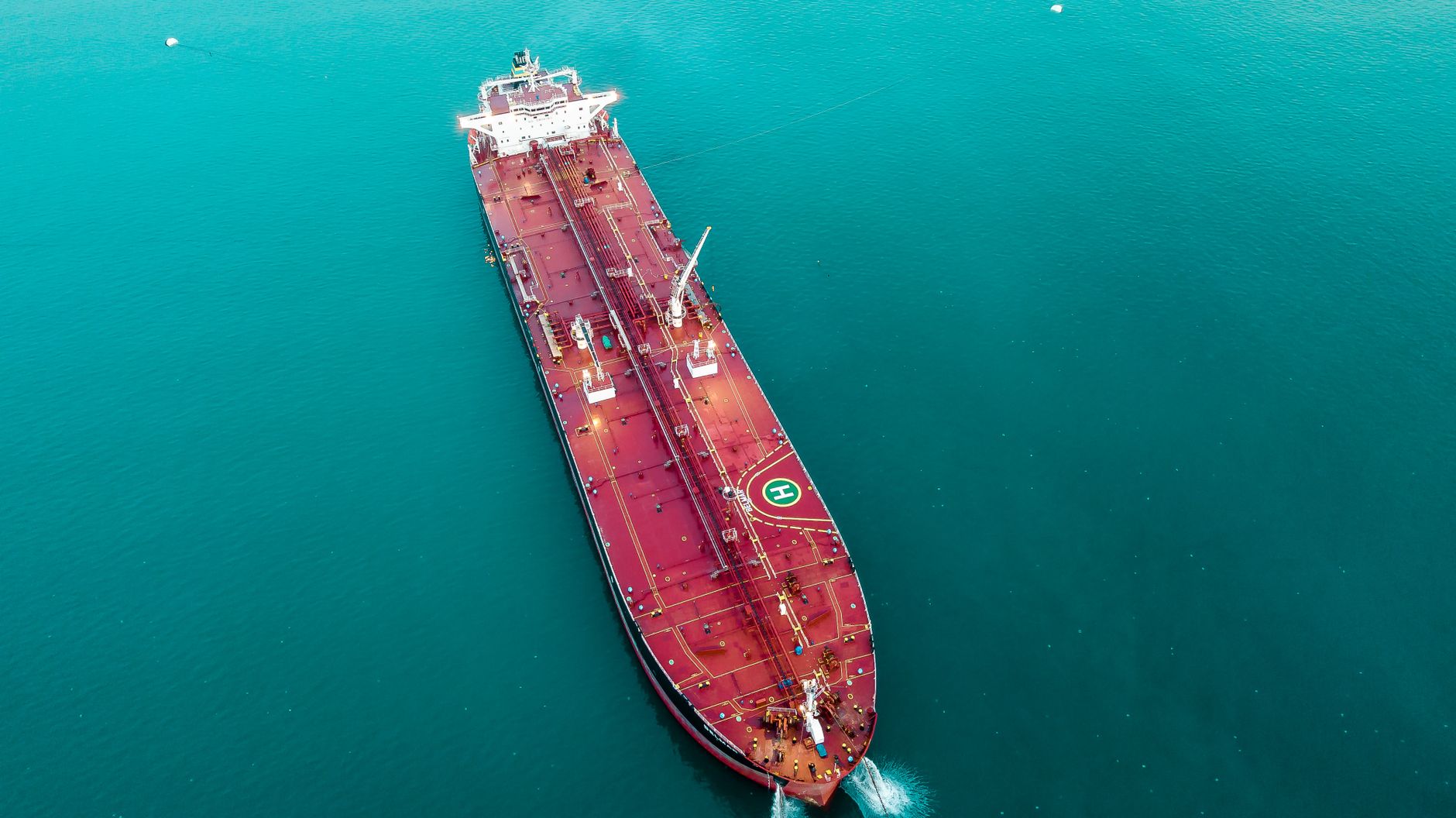
Iran-aligned Houthi forces in Yemen struck two Saudi oil tankers in the Red Sea on Wednesday, the group claimed, escalating a naval blockade that threatens to close the Bab el-Mandeb Strait and create a second chokepoint for global oil supplies alongside Iran's near-total closure of the Strait of Hormuz. The attacks, which damaged the tanker Encelia and targeted the Layla, prompted several other vessels to turn back or reroute, raising fears of a wider conflict that could strain US military resources and push oil prices higher.
Houthi blockade targets Saudi oil lifeline
The Houthis announced a naval blockade on Saudi Arabia on Monday, and Thursday's strikes marked the first direct attacks on Saudi oil tankers since the declaration. The Encelia was hit by a missile near the Saudi port of Jizan, causing a fire at the bow, according to Saudi state media. The Layla's fate remains unconfirmed. In response, five tankers changed course to avoid the Bab el-Mandeb Strait on Wednesday, and three tankers carrying Saudi crude for China and India made U-turns on Tuesday. Shipping data shows two Chinese very large crude carriers, together carrying 4 million barrels of Saudi oil, were heading toward the strait on Thursday, suggesting some traffic continues despite the threat.
Strategic significance of the Bab el-Mandeb
The Bab el-Mandeb Strait, at the southern entrance to the Red Sea, is a critical corridor for Saudi oil exports, especially since the kingdom has been diverting millions of barrels per day to its Red Sea port of Yanbu to avoid the Strait of Hormuz. If the Houthis succeed in closing the Bab el-Mandeb, Saudi shipments would be forced to take the northern route through the Suez Canal, adding weeks of travel time and significantly increasing costs. This would compound the economic damage already caused by Iran's blockade of the Strait of Hormuz, which has driven up oil prices and fueled global inflation.

US-Iran conflict escalates across multiple fronts
The Red Sea attacks come amid a broader escalation between the United States and Iran. The US military launched a new round of strikes on Iran on Wednesday, the 12th consecutive night of American attacks since a June ceasefire collapsed. The strikes have expanded from southern Iran to western and central areas. President Donald Trump has threatened to target Iranian infrastructure, including bridges and power plants, if Iran continues to attack ships in the Strait of Hormuz. Iran's joint military command has responded by warning that any attack on its infrastructure would be met with strikes on regional oil, gas, electricity and economic assets, and that Iran would prevent the export of "even a single drop" of oil.
Strait of Hormuz remains effectively closed
Iran's Revolutionary Guards reported an explosion on Wednesday on what they called a mined route south of the Strait of Hormuz, saying one of three oil tankers caught fire and the other two turned back. The Guards declared the strait "completely closed" and warned that no tanker could enter or leave without coordination with Iran. The US Central Command said it would continue operations to "further degrade" Iran's ability to threaten shipping. The dual threats at Hormuz and Bab el-Mandeb are stretching US naval resources and raising the stakes for global energy markets.
Political and economic fallout
The disruption to oil shipments is already being felt by consumers. Even before the Red Sea flare-up, Iran's blockade had pushed up gasoline prices in the United States, putting pressure on Trump's Republican allies ahead of November's congressional elections. A second chokepoint could further inflate prices and deepen political fallout. Former and current US officials warn that the Houthi threat could significantly widen the war and strain the US military, which is already engaged in daily strikes on Iran.
Looking ahead, the situation remains volatile. With both the Strait of Hormuz and Bab el-Mandeb under threat, global oil supply chains face unprecedented strain. Diplomatic efforts have so far failed to de-escalate, and the Trump administration appears committed to a strategy of sustained military pressure. The coming days will test whether the Houthis can sustain their blockade and whether the US can manage a two-front crisis without triggering a broader regional war.