Sydney ERs reel from horror night of record ambulance callouts
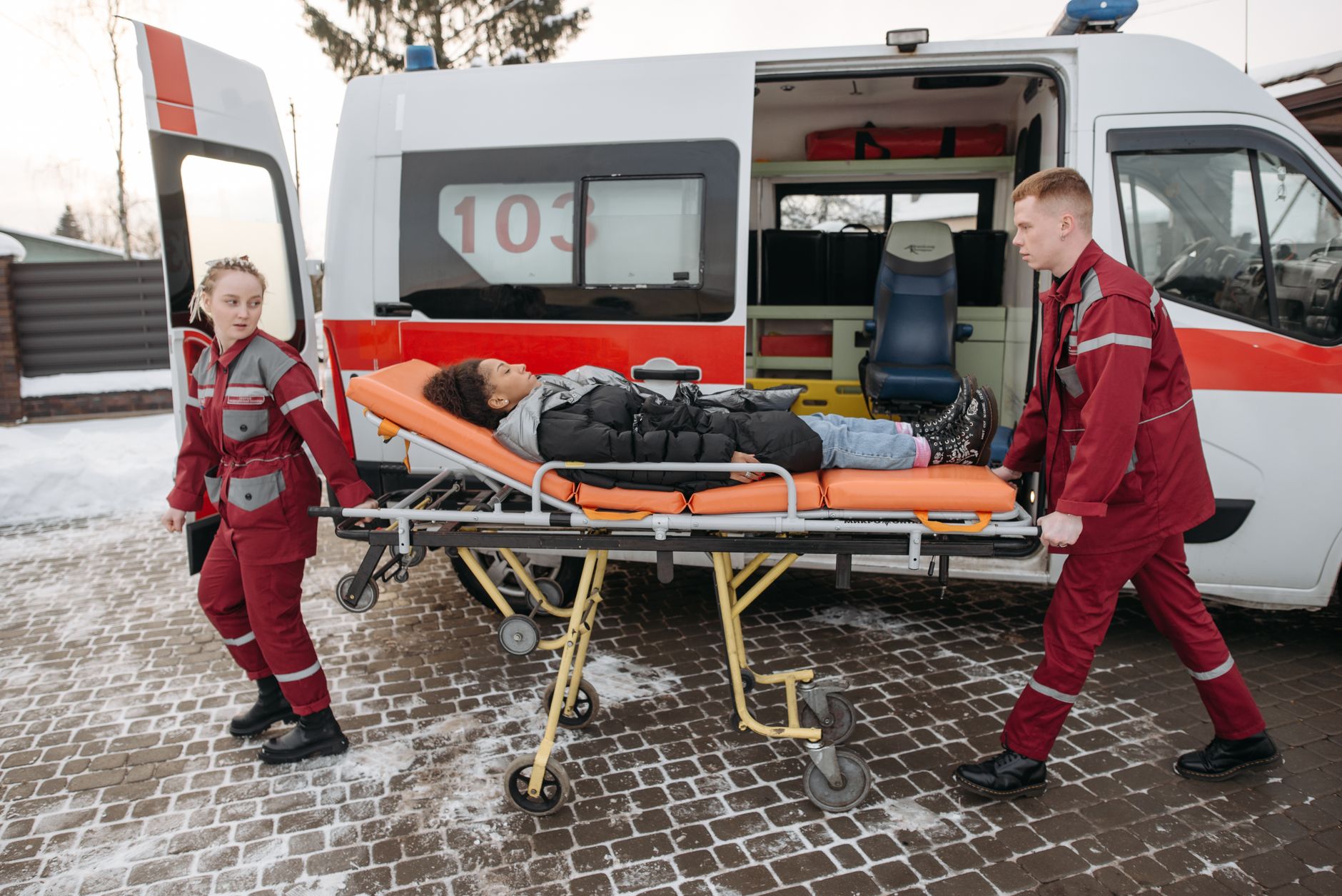
Record ambulance callouts and nearly 10,000 ED presentations overwhelmed Sydney's hospitals on Monday. Health bosses apologised and warned the worst is yet to come.
Monday night delivered a brutal blow to Sydney's emergency departments as the city recorded one of its busiest winter days ever. In a single 24-hour period, ambulance crews were called out a record 4,100 times, while hospitals across NSW received nearly 10,000 emergency presentations – roughly 1,000 more than usual. Western Sydney facilities were particularly overwhelmed, with health leaders apologising to patients who waited for hours, sometimes on the floor of overcrowded waiting rooms.
Record demand hits the system
NSW Health Minister Ryan Park described the situation as one of the most intense winter surges the state has seen. He said flu-like illness would continue to drive people into hospital throughout the season, and warned that influenza poses extra danger to people with existing comorbidities. Patients with underlying conditions are far more likely to end up in hospital if they catch the virus, he said.
Health Secretary Susan Pearce said the hardest hit areas included the west, south-west and Nepean, with Blacktown, Bankstown, Campbelltown and Liverpool hospitals identified as particular hotspots. To ease the pressure, dozens of patients were redirected to other hospitals on Monday night – a move that creates its own risks but is seen as necessary when emergency departments run out of space.
Bed blockages and the 'hospital that can't be used'
Beyond the immediate surge, Pearce and Park pointed to a structural problem that is crippling the health system: beds are being occupied by patients who no longer need hospital care but have nowhere to go. Some 270 beds across western and south-western Sydney are currently held by patients who are medically ready for discharge but are waiting for federally funded placements in aged care or disability support programs.
Park likened that to losing an entire hospital from the system, and estimated around 1,300 people are caught up in the bottleneck. The result is that hospitals cannot accept new emergency patients quickly enough, adding to the backlog. Both leaders apologised directly to patients and families who endured long waits or were treated on the floor of waiting rooms – a visible sign that the system is under severe pressure.
Flu vaccine still worth it, says chief health officer
NSW Chief Health Officer Dr Kerry Chant warned that for people with underlying conditions such as diabetes and lung disease, a bout of influenza can tip them into serious illness. It can be "that straw that broke the camel's back," she said.
Chant urged people to talk to their GP about preventive health advice and stressed that vaccination remains valuable. There were more than 2,500 positive laboratory tests for influenza in the latest weekly surveillance report, and the true number is certain to be significantly higher. However, Chant noted that this year's vaccine appears to be a better match for the dominant strain, a subclade of H3N2, and that flu peaks can come late – last year's peak arrived in December, which was unusual. "It's not too late in the season to get vaccinated," she said.
Health authorities also expect case numbers to increase now that children have returned to school, even though current flu and COVID-19 notifications are relatively stable compared to last winter.
Premier warns of 'worst three weeks' ahead
Premier Chris Minns told 2GB that the health system is bracing for the worst three weeks of the year for emergency departments. He warned people not to attend hospitals unless they are experiencing a genuine emergency.
The coming weeks will test the resilience of NSW hospitals as they face a triple threat: high seasonal respiratory viruses, a hospital bed shortage caused by delayed aged-care placements, and a vaccination campaign that may not yet have reached enough vulnerable residents.
Health officials are counting on public vigilance, better flu vaccine effectiveness, and federal action to free up beds in aged care and NDIS programs. Without those changes, Monday night's horrors are likely to be repeated many times before winter ends.