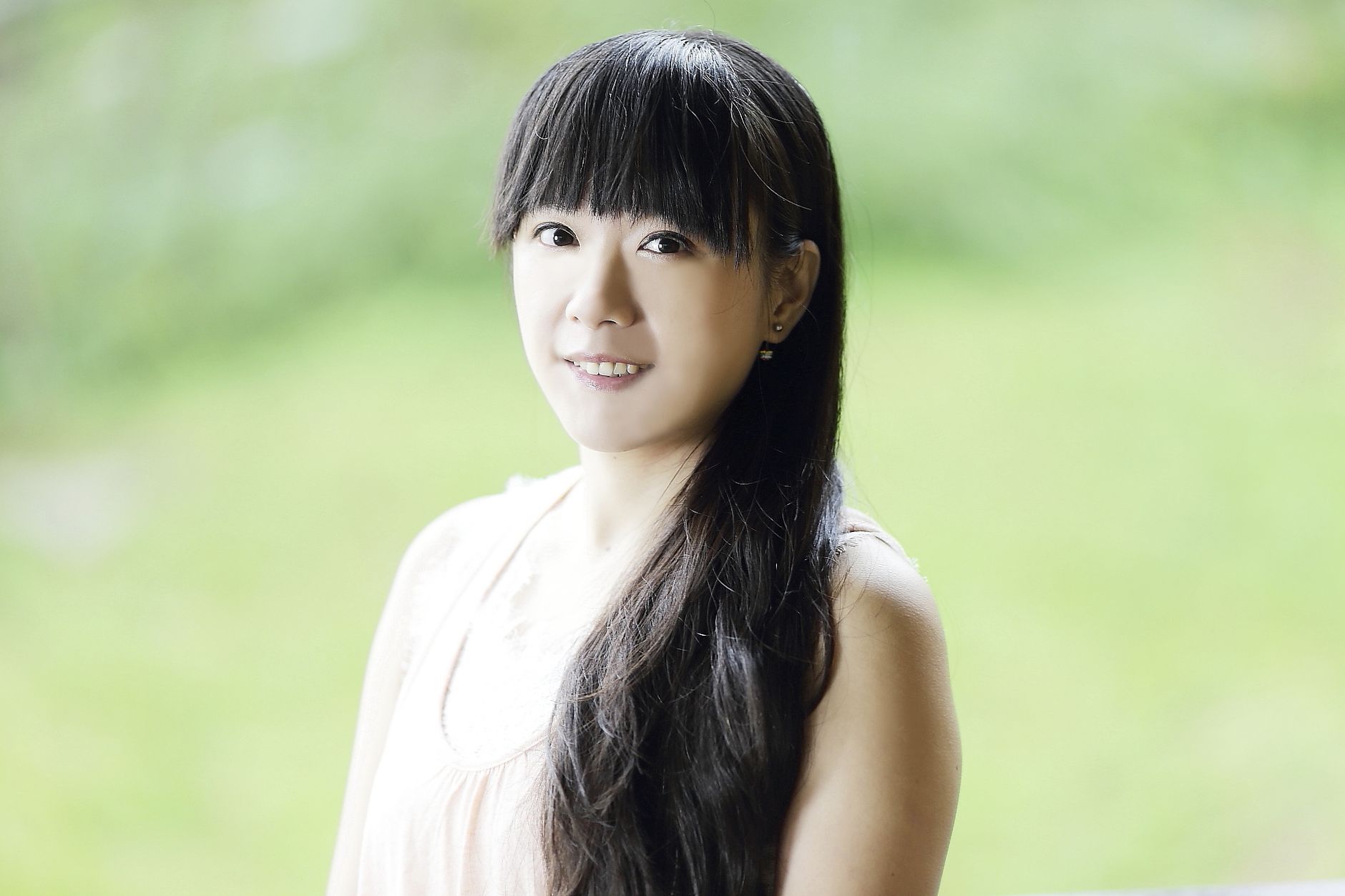
HKU President Xiang Zhang to step down in 2028 after 10-year tenure

Xiang Zhang will leave the University of Hong Kong presidency in 2028 after two terms, citing a desire to return to lab work. He called the role a 'defining honour'.
The University of Hong Kong (HKU) president and vice-chancellor, Xiang Zhang, has announced he will step down in 2028 after completing his second five-year term, according to an email sent to the university community early Monday.
A Decade at the Helm
Zhang, who took office in 2018, described the past eight years leading the institution as “a defining honour” of his life. Under his leadership, HKU has worked to elevate its academic standing amid a rapidly shifting global landscape. In his email, Zhang acknowledged the complexities of steering a top university through “a complicated, rapidly changing world marked by polarised views and conflicts.”
A Return to Science
Emphasizing his identity as a scientist, Zhang expressed his eagerness to return to the laboratory, stating, “I remain a scientist and a professor at heart. I yearn to return to my laboratory, to answer profound scientific questions, and to make a societal impact.” He noted that his decision to retire from the presidency after a decade allows HKU to “embrace fresh ideas” and for a new leader to guide the institution through upcoming transformations.
The Challenges Ahead
Zhang specifically highlighted the challenges posed by artificial intelligence, which he said will require new thinking and leadership. His departure comes at a time when universities globally are grappling with technological disruption, shifting geopolitical tensions, and changing student expectations. The search for his successor is expected to begin in the coming years, with the university council likely to form a selection committee.
Legacy and Next Steps
During his tenure, Zhang oversaw significant developments at HKU, including research initiatives and international partnerships. While his announcement did not detail specific achievements, his reflection on the need for renewal suggests a deliberate transition. The university community will now look forward to a process that ensures continuity while embracing new leadership. Zhang’s final year in office will be 2027-2028, after which he plans to focus on academic research.
As HKU prepares for this transition, the broader implications for higher education in Hong Kong remain to be seen. Zhang’s emphasis on innovation and global engagement will likely inform the criteria for his successor, who will need to navigate both local and international challenges.