Hitler’s birthplace becomes police station to stop neo-Nazi pilgrimages

Austria officially opened Adolf Hitler’s birthplace as a police station, aiming to strip the building of its allure for neo-Nazi pilgrims after a lengthy renovation and legal battle.
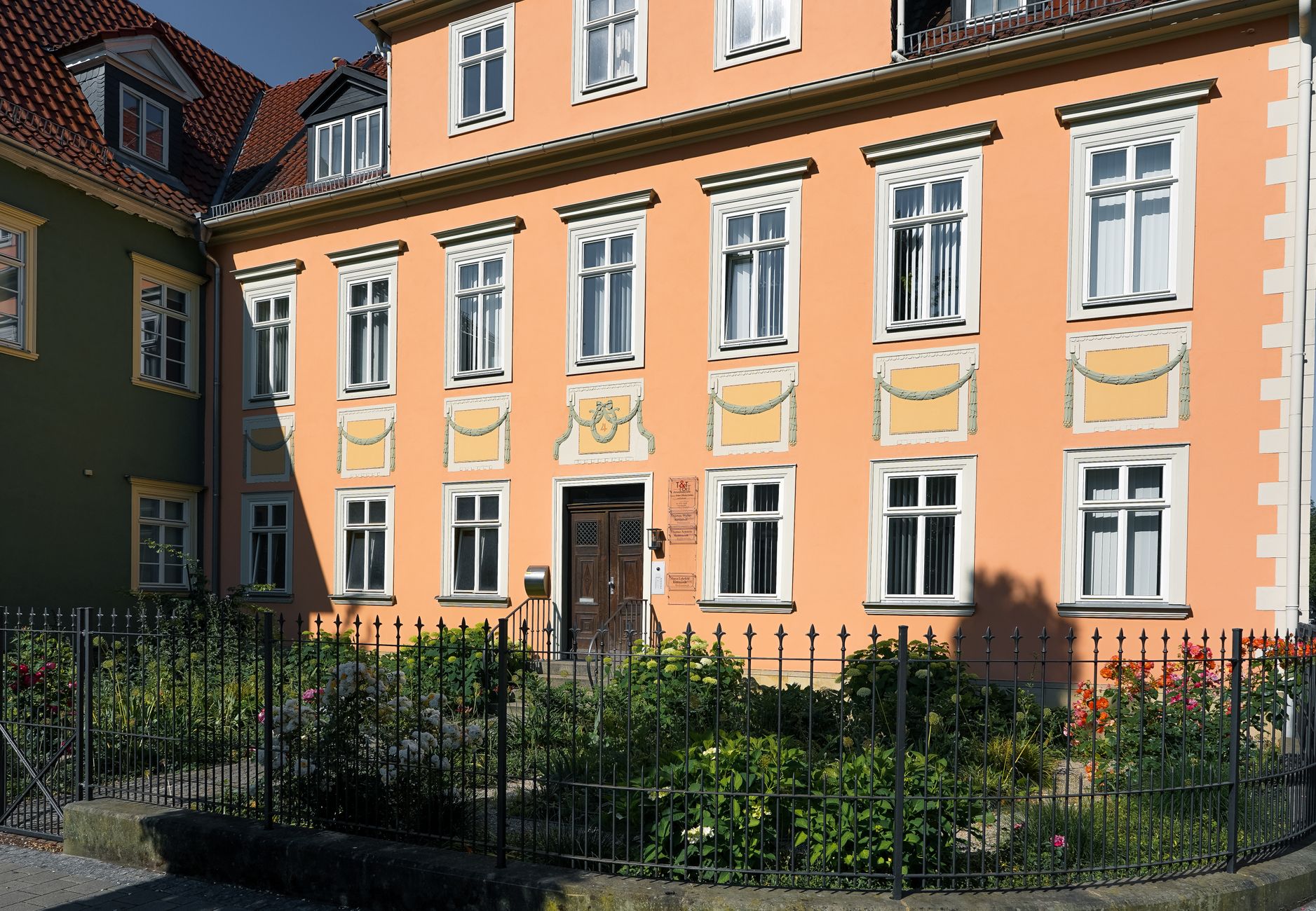
The building where Adolf Hitler was born in Braunau am Inn, Austria, officially reopened as a police station on Wednesday, a move designed to neutralize the site’s appeal for those who glorify the Nazi dictator. Interior Minister Gerhard Karner inaugurated the renovated structure, which now houses a local police precinct, ending years of debate over how to handle the fraught property.
Why a Police Station?
For decades, the yellow corner house at Salzburger Vorstadt 15 drew visitors who sought to honor Hitler. The Austrian government, wary of its symbolic power, struggled to find a use that would not attract further attention. After a lengthy legal struggle to acquire the building from its former owner, the state decided to repurpose it as a police station—a function that emphasizes democratic values and public service. A memorial stone remains outside, inscribed with a message: “For freedom, democracy and liberty. Never again fascism. Millions of dead remind us.”
Historical Context
Hitler was born in the building on April 20, 1889, but his family moved out shortly afterward. The dictator later unleashed World War II and orchestrated the Holocaust, in which some 6 million Jews and millions of others were murdered. The war claimed at least 60 million lives before Hitler’s suicide in 1945. The birthplace became a pilgrimage site for neo-Nazis, prompting the government to seek a use that would break that association.
The Struggle Over Ownership
The path to the police station was not smooth. The Austrian government spent years in a legal tug-of-war with the previous owner, who refused to sell. After a court ruling and compulsory purchase, the state gained control. The renovation cost around €20 million (US$22.8 million) and took several years to complete, according to reports.
Official Statements
During the inauguration, Minister Karner said, “The Republic of Austria, the state, the county is facing up to this heritage, the terrible heritage of this time, and commits itself to deal with it. This entails this house and this address.” The statement underscores Austria’s ongoing effort to reckon with its Nazi past, a process that has included other symbolically charged moves.
Broader Implications
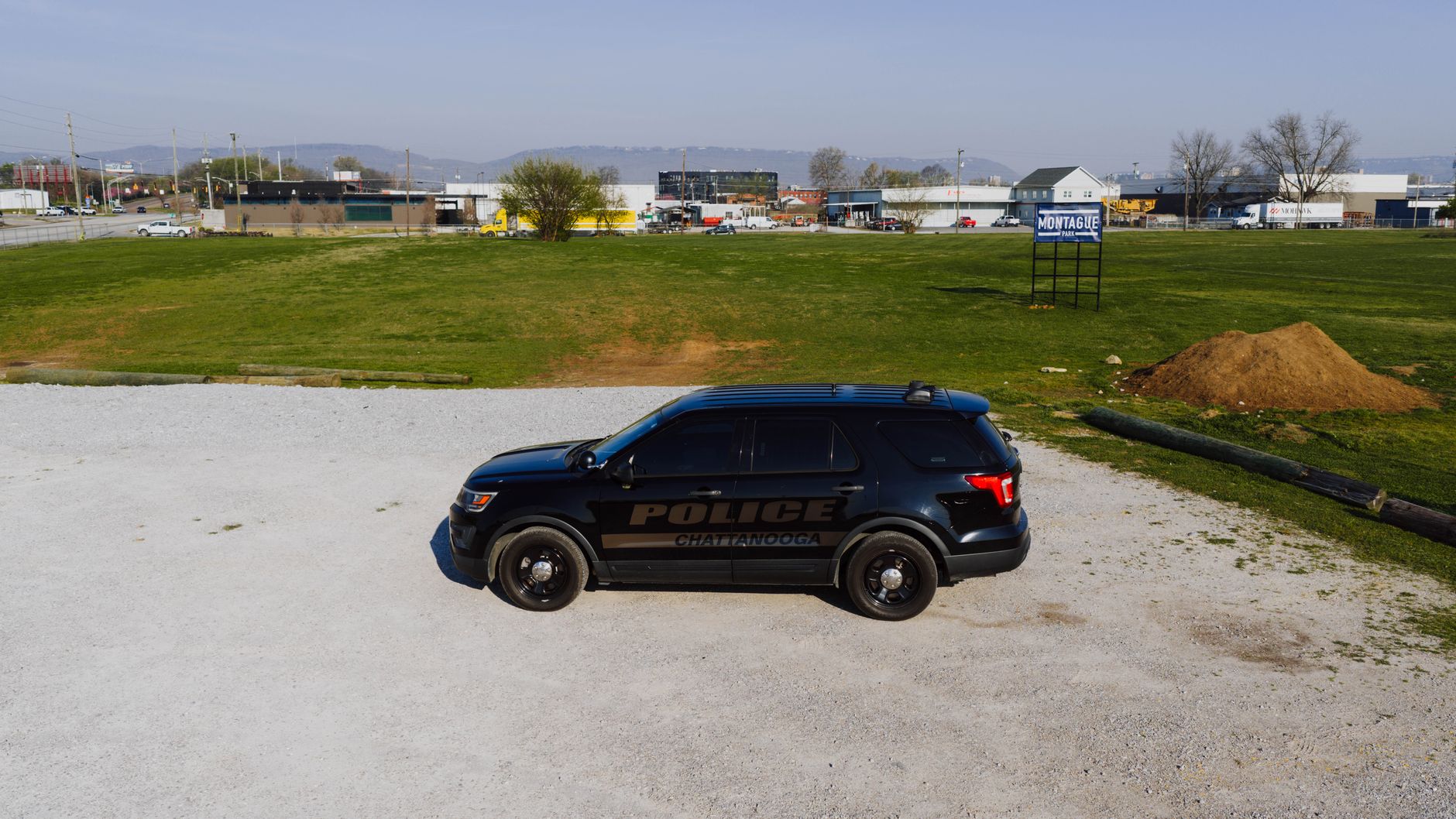
By transforming the birthplace into a police station, Austria aims to extinguish its value as a shrine while providing a functional public service. The move aligns with other European efforts to repurpose sites linked to extremist history. However, some observers question whether any measure can fully erase the building’s notoriety. Police say they are prepared for the possibility of continued low-level interest but believe the repurposing will significantly deter organized pilgrimages. The station is now operational, serving the local community and sending a clear message about the country’s commitment to democratic values.