UK health worker monitored for Ebola in London after DRC mission
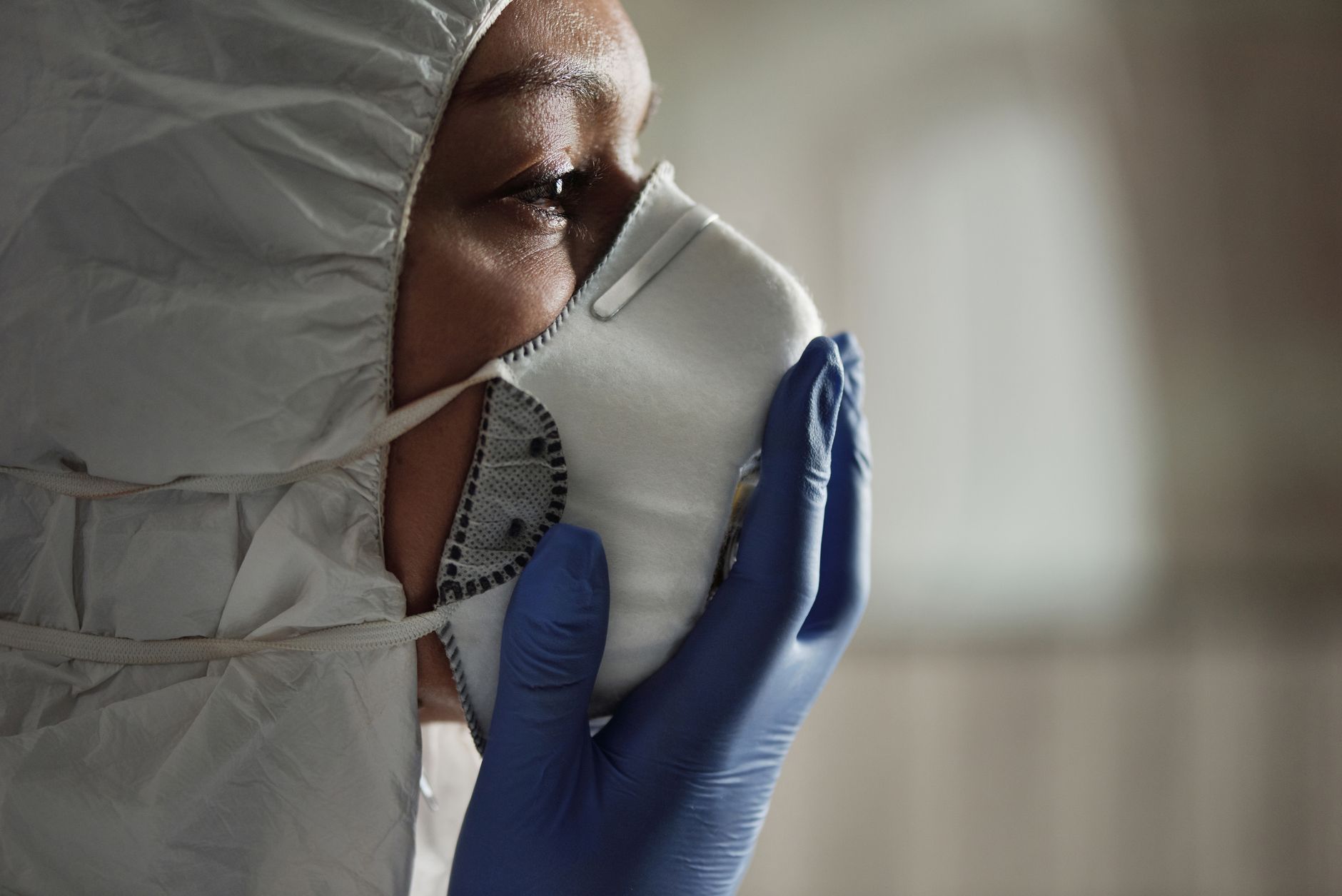
A humanitarian worker evacuated from the DRC is being monitored at a London hospital after potential Ebola exposure, though officials stress the risk to the public remains low.
A UK humanitarian worker who was treating Ebola patients in the Democratic Republic of the Congo has been medically evacuated to a London hospital for monitoring, despite showing no symptoms. The precautionary move underscores the continued vigilance around one of the deadliest viruses known to humanity.
Precautionary Evacuation
The UK Health Security Agency (UKHSA) confirmed that the individual was flown back to the UK on a chartered flight as a “highly precautionary measure.” The worker is currently isolated and under assessment by infectious disease specialists at a London hospital. “The individual is not currently displaying any symptoms and remains well,” the agency said in a statement. Richard Pebody, director of epidemic and emerging infections at UKHSA, added: “This individual has been transferred out of an abundance of caution and we’re pleased they remain well.”
Ebola in the DRC and Uganda
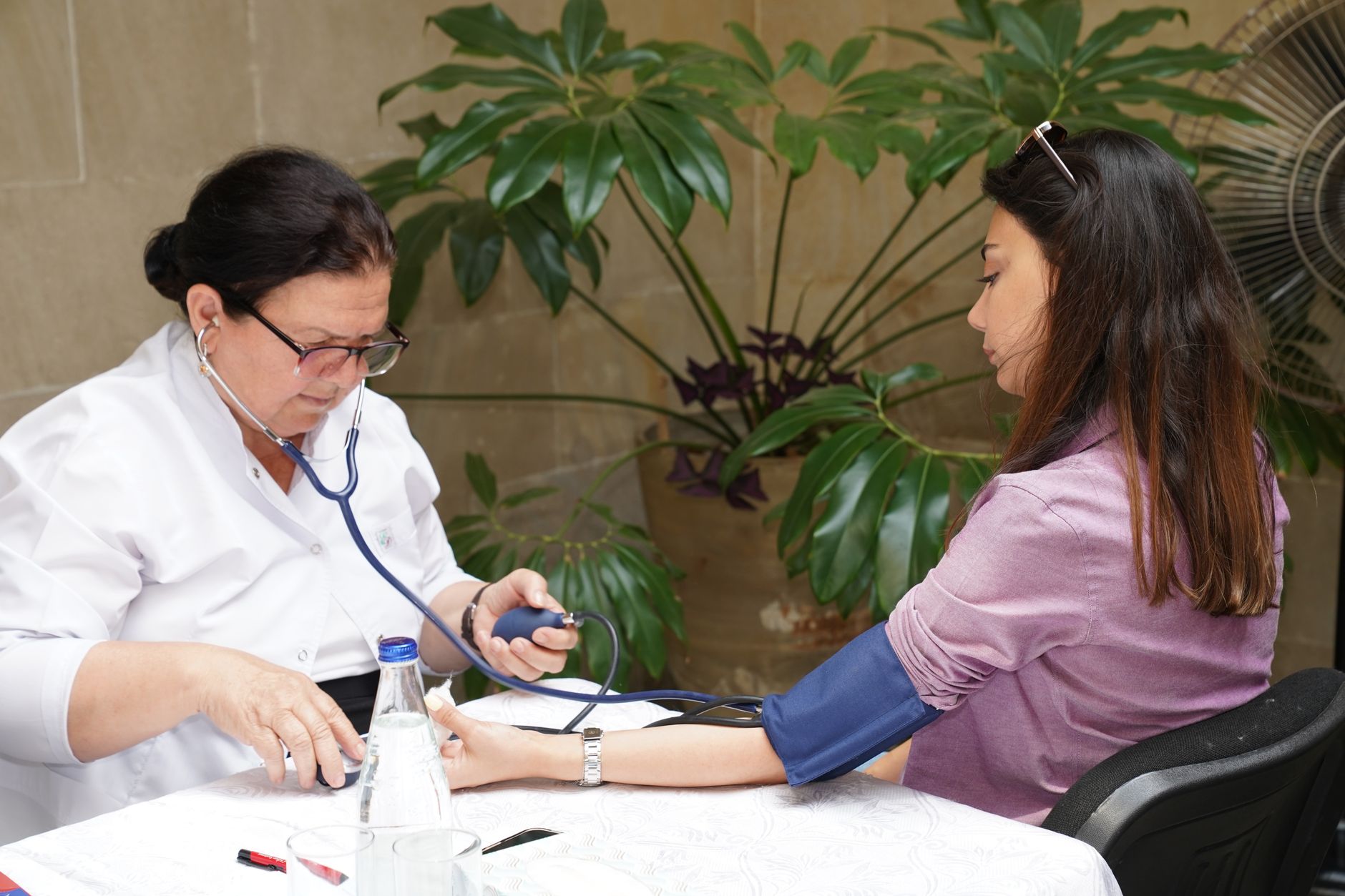
The evacuation comes against the backdrop of an ongoing Ebola outbreak in the DRC and neighbouring Uganda, which in May was declared a Public Health Emergency of International Concern by the World Health Organization (WHO). The virus, first identified in 1976 near the Ebola River, causes severe hemorrhagic fever with a high fatality rate. Transmission occurs through direct contact with bodily fluids of infected people or contaminated surfaces, making healthcare workers particularly vulnerable.
Monitoring and Risk Assessment
The incubation period for Ebola ranges from two to 21 days. During this time, the worker will remain in isolation and be closely monitored. UKHSA emphasised that there are no confirmed cases of Ebola in the UK and the risk to the general public remains low. This incident follows a similar scare last month in Glasgow, where a patient suspected of having Ebola tested negative after being admitted to Queen Elizabeth University Hospital.

Symptoms and Global Preparedness
Early symptoms of Ebola include fever, fatigue, muscle pain, headache, and sore throat, progressing to vomiting, diarrhoea, rash, and impaired kidney and liver function. The UK maintains strict protocols for managing potential cases, including specialised transport and isolation facilities. The WHO and global health authorities continue to monitor the outbreak in Central Africa, with efforts focused on containment and vaccination.
As the evacuated worker undergoes the observation period, public health officials remain alert but reassure the public that the UK’s healthcare system is well-prepared to handle such incidents. The coming days will determine whether the exposure leads to infection, but for now, the precautionary measures reflect a system designed to err on the side of safety.