Middle East pipeline boom aims to bypass Strait of Hormuz chokepoint
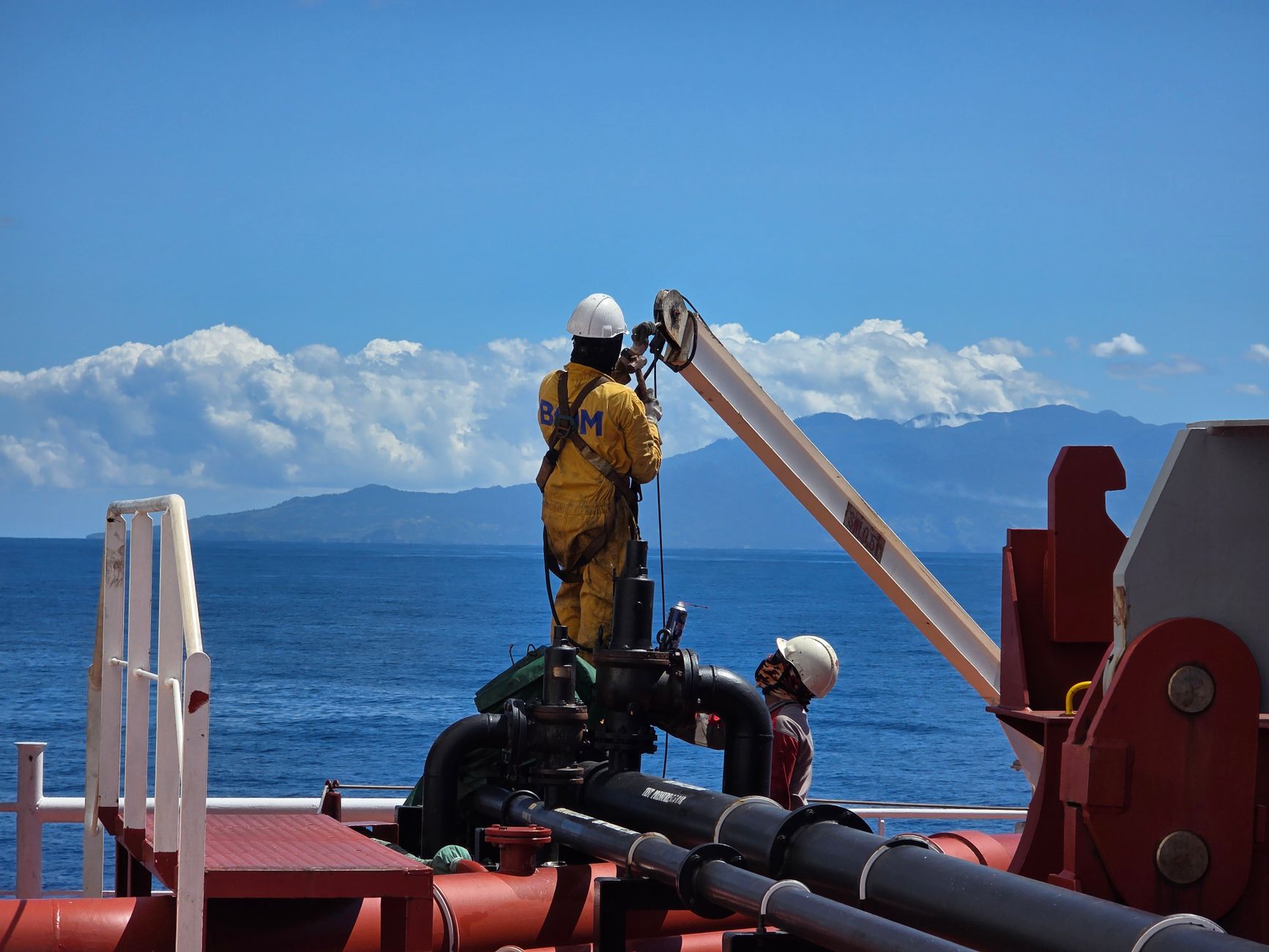
Arab oil producers are investing billions in new pipelines to bypass the Strait of Hormuz, seeking to reduce vulnerability to Iranian threats and ensure stable energy exports.
A sweeping pipeline-building boom is unfolding across the Middle East, as Arab oil producers race to bypass the Strait of Hormuz, the narrow waterway where Iran has long exerted influence over global energy flows. Tens of billions of dollars are being committed to new infrastructure linking the Mediterranean, Red Sea, and Gulf of Oman, according to energy experts, who say the region is determined to secure alternative export routes.
The Chokepoint Problem
The Strait of Hormuz, a 21-mile-wide passage between Iran and Oman, is one of the world’s most critical energy chokepoints. About 20% of global oil consumption passes through it daily. Iran has periodically threatened to close the strait in response to sanctions or military confrontations, raising fears of supply disruptions. Past incidents—including tanker attacks and seizures—have highlighted the vulnerability of oil tankers transiting the waterway.
Iran’s ongoing tensions with the United States and its regional rivals have made pipeline alternatives a strategic priority. For years, ambitious pipeline projects were announced but rarely built. Now, experts say the calculus has changed.

Pipeline Projects on the Rise
Several major projects are underway or in advanced planning. The UAE has been expanding its crude oil pipeline from Habshan to Fujairah on the Gulf of Oman, which already bypasses the Strait of Hormuz. Capacity is being increased to handle up to 1.5 million barrels per day. Meanwhile, Iraq and Syria are exploring a revived pipeline to the Mediterranean coast, potentially carrying Iraqi crude to Syrian ports. Saudi Arabia is also investing in connections to the Red Sea, giving its exports an alternative to the Gulf route.
“When we speak to our customers in the region, they say they never want to deal with this again,” said Artem Abramov, deputy head of analysis at Rystad Energy, referring to the reliance on Hormuz. The sentiment reflects a broader shift in risk perception among producers and buyers alike.
Real Commitments This Time
Unlike previous pipeline plans that fizzled, the current wave of investment appears to have tangible backing. Financing is secured for several projects, and construction contracts have been awarded. The UAE land pipeline, originally built to handle 1.5 million bpd, is now being upgraded. Iraq’s planned pipeline through Syria, though delayed by war, is gaining renewed political support.
Abramov emphasized that regional customers are determined: “They are making long-term investments to diversify routes. This is not just talk.” The push is also driven by global demand for secure energy supply chains, with Asian buyers seeking assurance that deliveries won’t be disrupted by political strife in the Gulf.
Challenges Ahead
Not all hurdles are cleared. The Iraq-Syria pipeline faces security risks and requires significant infrastructure rehabilitation. Moreover, some projects traverse politically unstable areas. Yet the strategic imperative is clear: reducing dependence on Hormuz is now a national security priority for many Gulf states.

Implications for Global Energy Flows
If successful, these pipelines could fundamentally alter the geography of oil trade. Bypassing Hormuz effectively reduces Iran’s leverage over global markets and lowers the risk of price spikes from regional conflicts. It also shifts export focus toward the Red Sea and Mediterranean, potentially impacting shipping routes and refinery locations.
However, the impact will take years to materialize. In the near term, the Strait of Hormuz remains indispensable. But with billions committed, the Middle East is quietly redrawing its energy map, one pipeline at a time.