France, Italy tighten borders after 60,000 migrants enter Spain's Ceuta
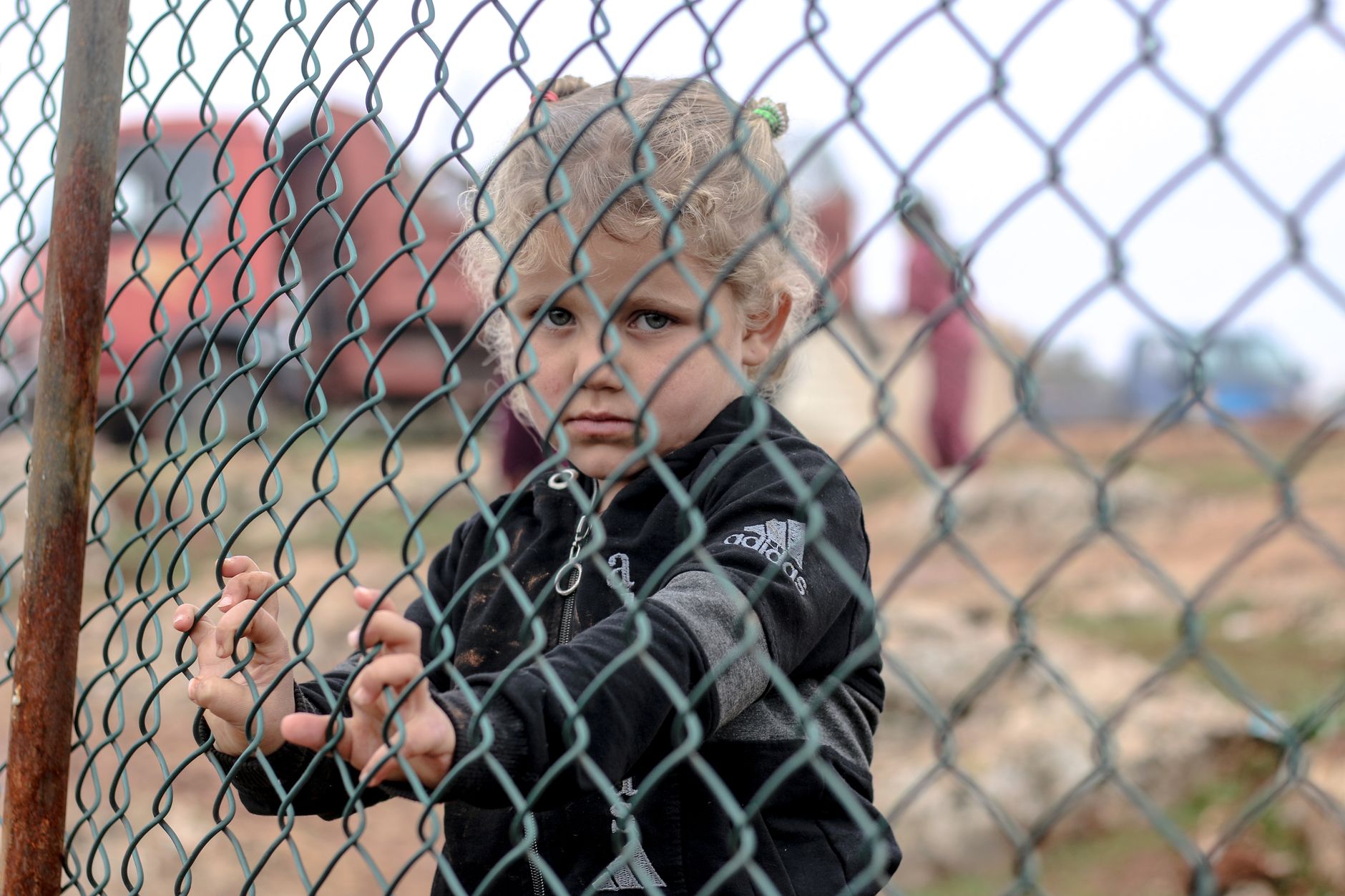
France and Italy tightened border controls Saturday after about 60,000 migrants surged into Spain's Ceuta enclave, triggering an EU crisis.
PARIS/MADRID — France and Italy moved to tighten their southern border defenses on Saturday after roughly 60,000 migrants surged into Spain's North African enclave of Ceuta, igniting one of the European Union's most severe migration emergencies in recent years.
The unprecedented influx began earlier this week when migrants crossed from neighboring Morocco, many swimming around a small coastal barrier that marks the frontier. Ceuta's regional president, Juan Jesus Vivas, described the scale of the wave to reporters, while Spanish officials said more than 48,000 of the entrants had been returned by Friday evening.
The dramatic movement of people caught European capitals off guard and prompted immediate responses from Paris and Rome, both of which announced heavier controls on crossings with Spain.
France Mobilizes Along the Spanish Border
France said it would escalate its police and gendarme presence at the border with Spain by a factor of five, bringing the total to 334 officers by Saturday. The measure is aimed at preventing migrants from moving deeper into the European Union after reaching Spanish territory.
The French Interior Ministry framed the deployment as a "necessary and proportionate" action to manage the secondary movements of migrants, though it stopped short of specifying how long the heightened presence would remain in place. The reinforced checks affect both road and rail crossings along the Pyrenees, a region that has historically seen heavy traffic between the Iberian peninsula and the rest of Europe.

Italy Suspends Schengen With Spain
In a separate move, Italy announced it was suspending the Schengen agreement with Spain, temporarily reintroducing controls at their shared border. The suspension took effect on Saturday and will last for one month, according to Italian officials.
Schengen rules generally allow passport-free travel across 26 European countries, but member states are permitted to reintroduce border checks under exceptional circumstances. Italy’s decision underscores how quickly the crisis in Ceuta has redrawn the migration map across the continent.
The one-month window gives Rome breathing room to assess the flow of people and coordinate with other EU capitals. It also signals growing unease among southern European nations that a sudden surge at one external frontier could ripple toward their own territories.
Human Cost and Regional Tensions
The migration surge exacted a grim toll. At least 34 people died attempting to make the crossing, according to officials, many of them trying to swim around the breakwater that extends from the Ceuta coastline into the Mediterranean. The deaths underscored the perilous nature of the route, which has become a magnet for migrants seeking a foothold in Europe.
The influx also laid bare simmering tensions between Spain and Morocco. Morocco has long been a key partner in controlling migration flows, but the sudden opening of the border — whether by negligence or design — has become a point of friction. European leaders have called for dialogue, but the immediate response has been defensive, with national capitals prioritizing border security over collective bargaining.
Implications for Europe’s Asylum System
The crisis arrives at a politically delicate time for the EU, which has struggled for years to reform its asylum policies. The Ceuta episode is likely to intensify debates about burden-sharing among member states, as countries on the western Mediterranean front line call for more support from the bloc.
France’s decision to reinforce its border with Spain and Italy’s suspension of Schengen are both unilateral moves that many analysts see as a warning shot: if the EU cannot manage external borders collectively, individual states will act alone. The coming weeks will test whether the bloc can craft a coordinated diplomatic response to Morocco and develop a sustainable plan for the migrants who remain in Ceuta.
For now, the reinforced checkpoints remain up, and the eyes of Europe are turned to the Mediterranean — waiting to see whether this mass movement becomes a turning point in the continent’s approach to migration.