AusAlert test could expose domestic violence victims' hidden phones
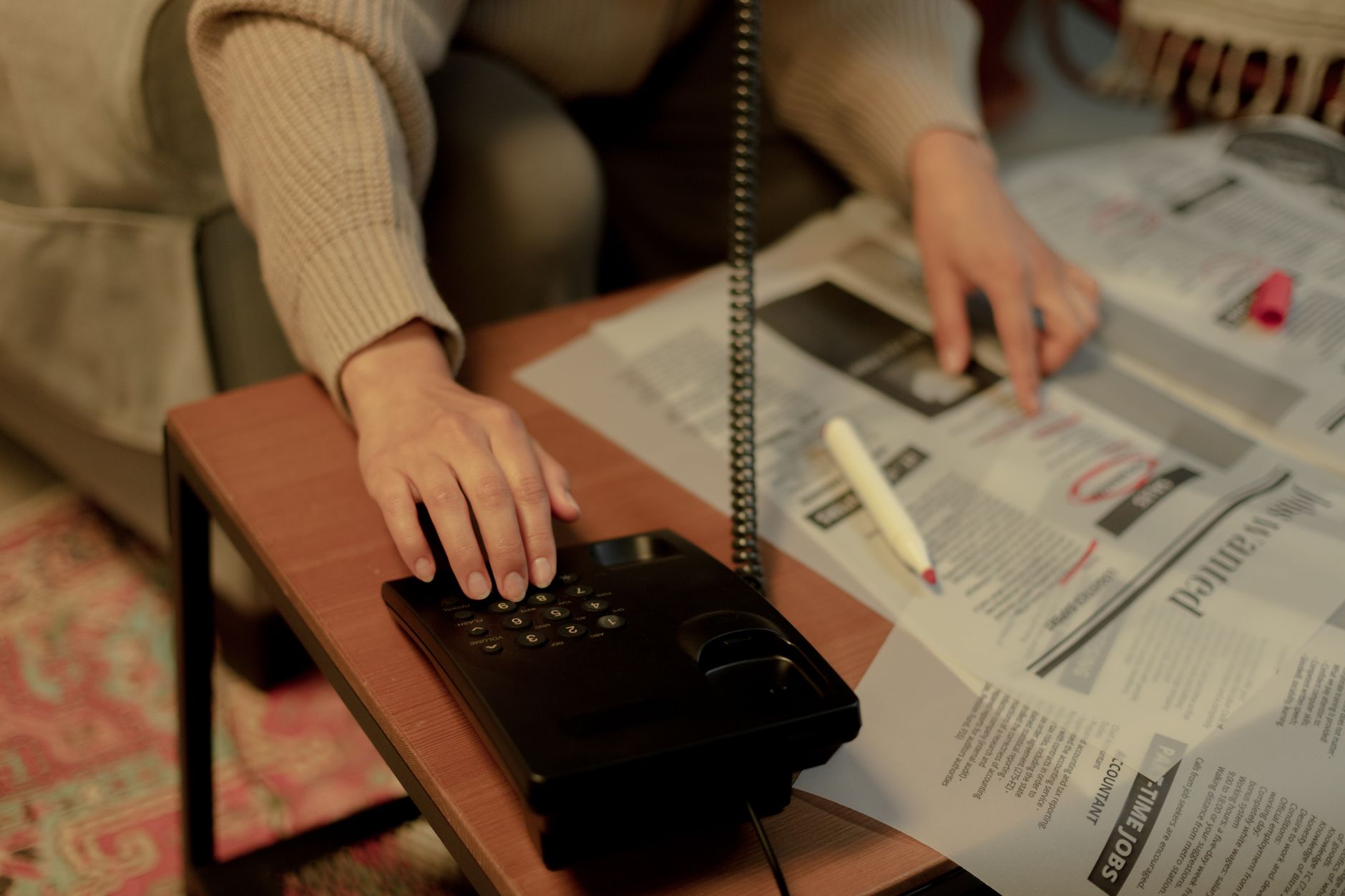
A nationwide test of Australia's new emergency alert system on July 27 will sound on hidden phones, potentially endangering domestic violence survivors. Advocates urge turning off devices or using airplane mode.
A nationwide test of Australia's new emergency alert system on Monday, July 27, is raising serious concerns for domestic violence survivors who rely on hidden or safe phones. The test, which will send a 10-second siren and vibration to virtually all mobile devices—including those on silent or do not disturb—could unintentionally expose secret phones used by victims to escape abuse, advocates warn.
The test and its risks
The AusAlert system, developed by the National Emergency Management Agency (NEMA), is designed to replace patchwork state-based alert systems by October. It will be used for warnings about natural disasters, public safety threats, and health emergencies. On July 27, the system will be tested nationwide, causing every mobile phone, smartwatch, and tablet with a SIM card to emit a loud alert. Crucially, devices set to silent or do not disturb will still sound, potentially revealing hidden phones that victims use to contact support services or keep their location private.
Hannah Tonkin, New South Wales Women's Safety Commissioner, said the alert poses a real danger for people using hidden phones to access safety resources. “The alert may unintentionally expose their devices,” she said, highlighting that perpetrators often use technology to track and control victims.

Safe phones as lifelines
Safe phones are a critical tool for domestic violence survivors. Many charities, including the Women's Services Network (WESNET) and DV Safe Phone, repurpose smartphones to donate to victims. Between 2015 and 2025, WESNET provided more than 50,000 safe phones to women fleeing abuse, with nearly 8,000 given out in the past year alone. These phones allow victims to call helplines, arrange safe transport, and maintain contact with support networks without detection.
Karen Bentley, chief executive of WESNET, noted that demand for safe phones has risen alongside the increase in technology-facilitated abuse. “We’re seeing technology used to humiliate people online, to track people, and a whole range of weaponisation by those using violence,” she said. Perpetrators frequently use location-sharing features, hidden tracking apps, and surveillance tactics to monitor their partners. Mobile phones are often the first item taken, broken, or monitored in abusive relationships.
Advice for victims and government response
To protect survivors, Tonkin recommended turning off hidden phones at least one hour before the test and leaving them off for at least one hour after. Alternatively, victims can switch devices to airplane mode for the same period. She also suggested leaving phones with a trusted friend or family member during the test. “Everyone’s situation is different,” she said. “It’s important that people experiencing domestic and family violence do what is best for their safety.”
Some social media users have criticized the government for not adequately considering the impact on vulnerable women and children. A comment on an Instagram post about the test read, “I don’t think this initiative was thought through at all.” Others noted that the official AusAlert webpage omitted crucial safety information. NEMA acknowledged the concerns, stating via a spokesperson that they have worked with domestic and family violence organizations, including WESNET and the National Alliance of Domestic and Family Violence Specialist Services, to address the risks.

Looking ahead
The test proceeds as planned on July 27, but advocates urge NEMA to incorporate more robust safeguards for vulnerable populations in future alerts. The agency says it recognizes the serious concerns and is committed to ongoing collaboration with DV specialists. Bentley emphasized that the need for safe phones continues to grow as technology-facilitated abuse becomes more prevalent. For now, the clearest message is for anyone with a hidden phone to take precautions on test day—turning the device off or putting it in airplane mode could be a lifesaving step.