Peru earthquake kills 6, injures 30 in adobe building collapse
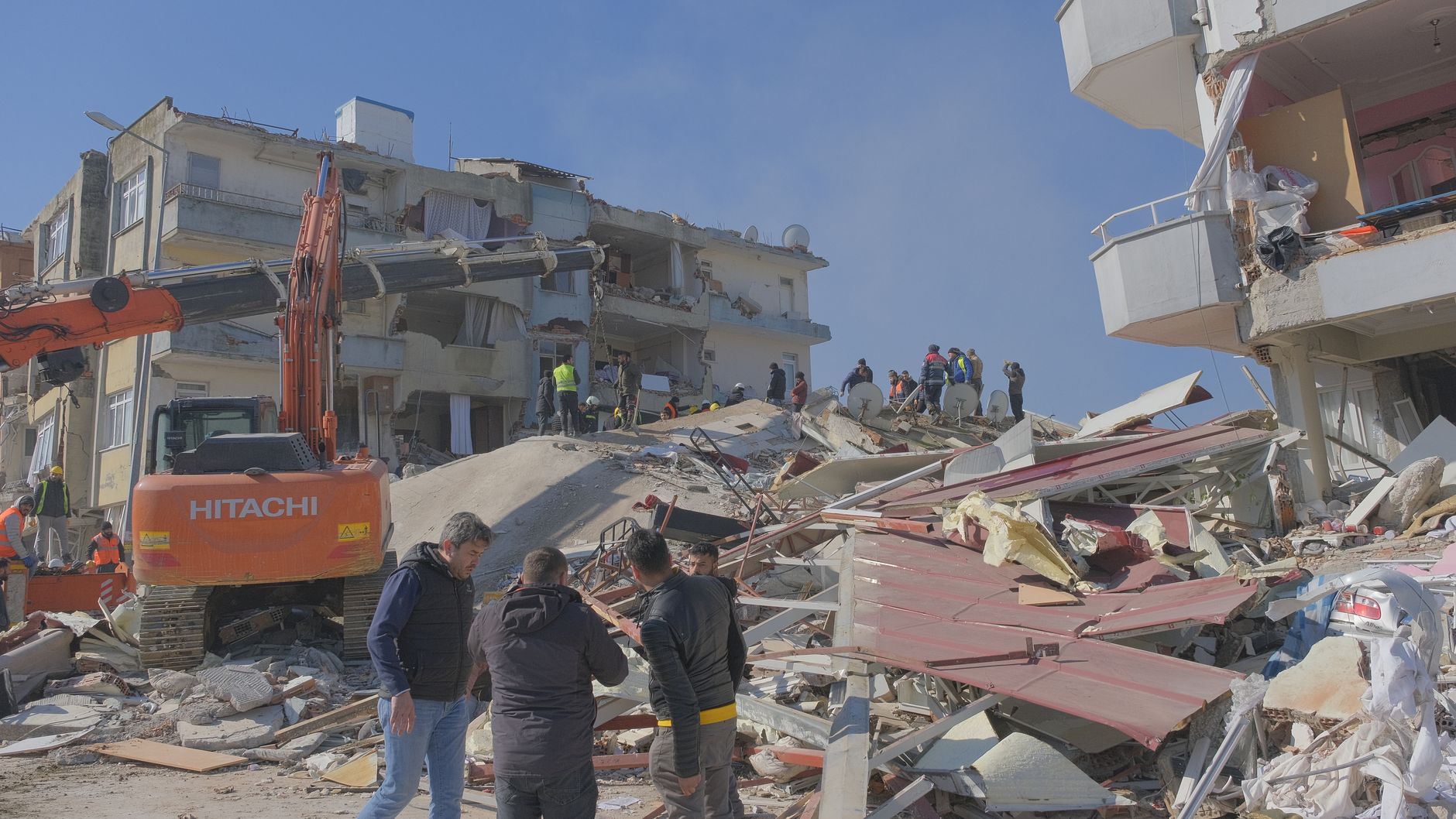
A 5.5-magnitude earthquake struck Peru's Andes region, killing at least six and injuring more than 30. The use of adobe construction contributed to the devastation, displacing 300 people.
A 5.5-magnitude earthquake shook the central Andes of Peru on Saturday night, killing at least six people and injuring more than 30, according to local authorities. The quake, which struck at 9:24 p.m. local time, caused widespread damage in the Huancayo province, with its epicenter located just west-southwest of the city of Sicaya. The U.S. Geological Survey reported a depth of 10 kilometers. Peru’s National Civil Defence Institute confirmed that over 300 people have been displaced, and the number of missing remains unknown.
Widespread Damage and Casualties
Several buildings collapsed or suffered structural damage, including a local church and convent. In the agricultural region of Chongo Bajo, one of the hardest-hit areas, residents huddled under blankets outside their severely damaged homes. Images broadcast by local media showed the anguish of victims’ relatives and animals trapped under rubble. Hermenegilda Guamalato, a resident in the neighboring district of Huayucachi, told a local radio station, “My home has been destroyed,” as she sought shelter for herself and her three children.

Adobe Construction a Key Factor
Luis Vásquez, head of the local civil defence office, told journalists that the use of rustic adobe materials in construction in the Andean area “has contributed to the greater impact and damage.” Adobe, a mixture of mud and straw, is commonly used in rural Peru but offers little resistance to seismic forces. The weakness of these structures likely exacerbated the destruction, turning a moderate earthquake into a deadly event.
Peru’s Seismic Vulnerability
Earthquakes are frequent in Peru, which lies along the Pacific “Ring of Fire,” a region of intense tectonic activity. In 2007, a 7.9-magnitude quake struck the province of Pisco, killing nearly 600 people. While the 5.5-magnitude event was less powerful, the combination of shallow depth and vulnerable construction led to significant loss of life and property. Experts have long warned about the risks of adobe housing in seismically active zones.

Community Response and Aftermath
Local emergency services are conducting search and rescue operations, but the full extent of casualties is still unclear. Many residents are staying in temporary shelters, while authorities assess damage and provide aid. The civil defence office is coordinating with regional governments to support the displaced. Officials urge caution as aftershocks remain possible in the coming days.
The earthquake highlights the ongoing challenge of improving building standards in rural Peru. While modern engineering can mitigate risks, many communities lack resources to replace traditional adobe homes. Without targeted investment in earthquake-resistant construction, future tremors may continue to exact a heavy toll on vulnerable populations.