Russia pounds Kyiv with 40 ballistic missiles in major attack
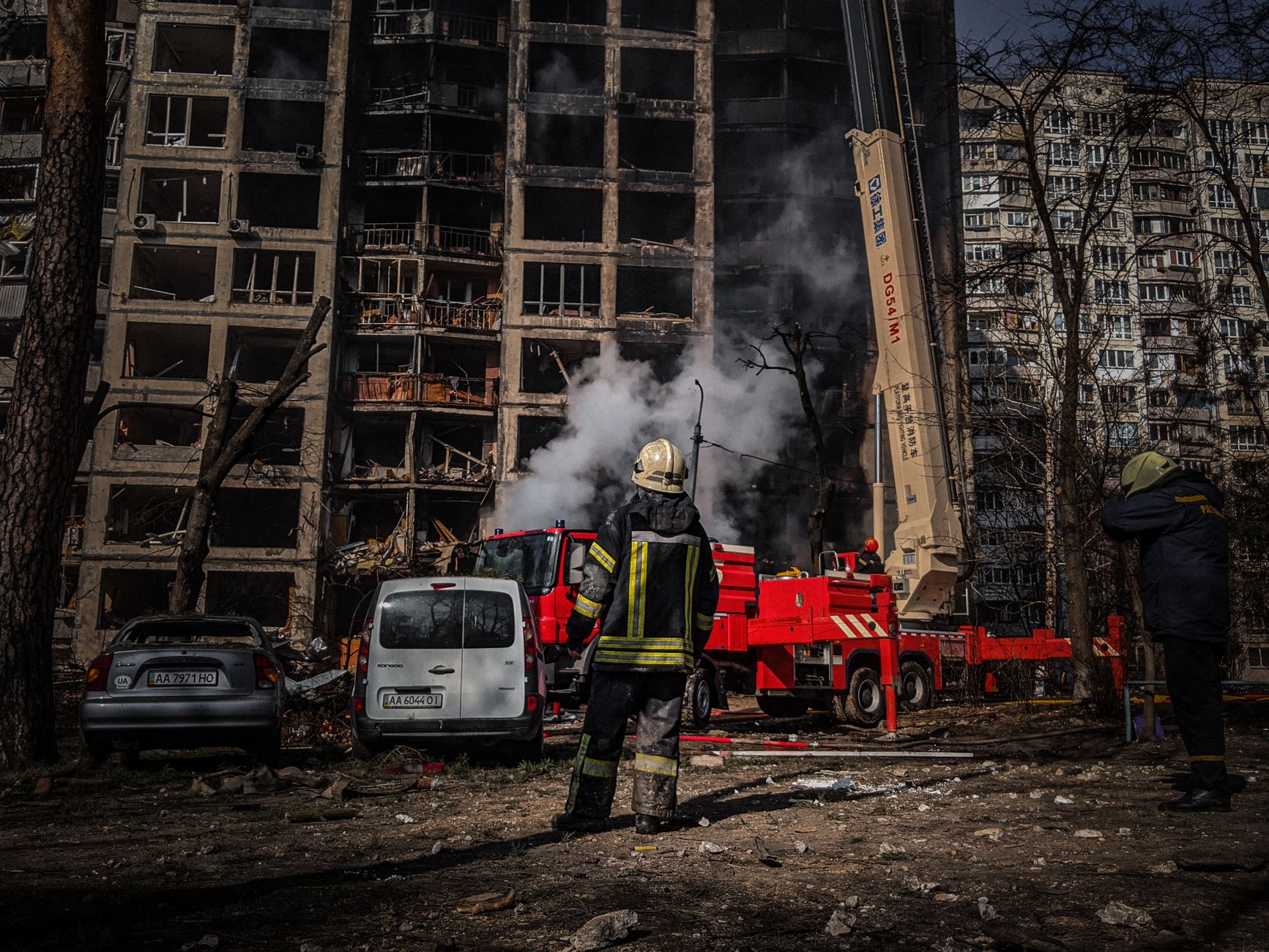
Russia launched one of its largest ballistic missile attacks on Kyiv, firing about 40 Iskander-M and Zircon missiles. At least one person was killed and seven wounded as fires and damage struck multiple districts.
Russia carried out one of its most intense ballistic missile assaults on Kyiv early Saturday, launching approximately 40 Iskander-M and hypersonic Zircon missiles over a five-hour period. The attack killed at least one person and wounded seven others, with fires and structural damage reported across the capital, according to Ukrainian officials.
The assault on Kyiv
Air raid sirens first sounded at 1:30 a.m., followed by the roar of air defenses and a series of explosions as dozens of missiles arrived in under an hour. Residents in the historic center felt buildings shake and heard car alarms blaring. A second siren at 6:30 a.m. brought more impacts. A three-story building in the central Shevchenkivsky district caught fire; rescuers pulled several people from the rubble and recovered one body. Four other areas sustained hits, with fires reported at office buildings, residential structures, and a dormitory. The Lukyanivska metro station, used as a shelter, saw its ceiling collapse due to blast waves, forcing its temporary closure.

Context of relentless strikes
Kyiv has faced near-daily drone and missile attacks since Russia launched its full-scale invasion in February 2022. Saturday’s barrage was notable for its exclusive use of ballistic missiles, which are harder to intercept. Ukrainian President Volodymyr Zelenskyy has repeatedly pleaded with Western allies for advanced air defense systems, particularly US-made Patriot interceptors capable of shooting down ballistic missiles. Ukraine’s own interceptor stocks have reportedly dwindled, raising concerns about its ability to protect critical infrastructure and civilian areas.
Political turmoil amid the war
The attack unfolded against a backdrop of large anti-government protests in Kyiv. Demonstrators are angered by Zelenskyy’s decision to dismiss the popular and reformist Defense Minister Mykhailo Federov. Protesters demand Federov’s reinstatement and the removal of the Soviet-era military chief, Colonel General Oleksandr Syrskyi, instead. The protests reflect growing internal friction as the war enters its third year.

Ukrainian counterstrikes on Russia
Ukraine also launched attacks on Russian territory. On Saturday, Ukrainian attack drones struck e-commerce warehouses in the Moscow and Tambov regions, killing eight people and causing major fires. Zelenskyy stated that the facilities were used to store components for drone production and navigation equipment supplied via sanctions evasion. He framed the strikes as retaliation for Russian attacks on Ukrainian civilian infrastructure. Earlier on Saturday, Russian strikes had killed five people and wounded nearly 20 in several Ukrainian regions.
Looking ahead
The intensified missile attacks on Kyiv and Ukrainian counterstrikes signal a dangerous escalation. With air defense stocks depleting and political tensions rising, Ukraine faces a challenging winter. Zelenskyy continues to press allies for more interceptors, while the protests highlight internal debates over war strategy and leadership. The coming weeks will test Ukraine’s resilience both on the battlefield and at home.