Trump Slaps 50% Tariff on Most Canadian Goods
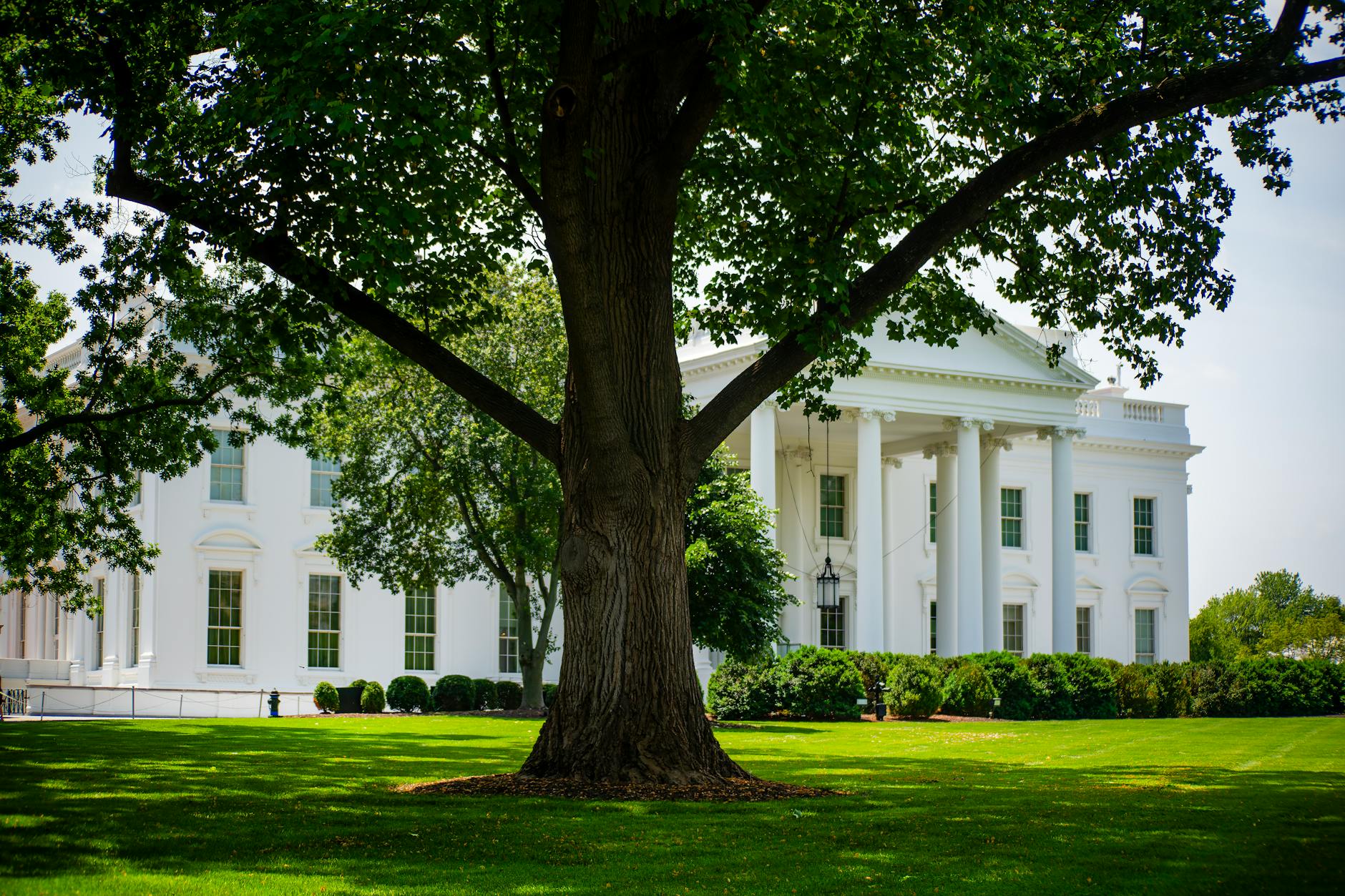
The White House announced a sweeping 50% tariff on Canadian imports, citing unfair treatment of US autos, alcohol, and dairy, escalating trade tensions.
President Donald Trump on Monday announced a 50% tariff on most Canadian goods, a drastic escalation of trade hostilities between the two neighbors. The White House said the action retaliates against Canada's discrimination of American automobiles, alcohol, and dairy products, and will take effect in 30 days, leaving a narrow window for negotiations.
Broad range of products hit
The tariffs, imposed under Section 338 of the 1930 Trade Act, cover a wide array of goods including wine, hockey sticks, and cement, and will also apply to items previously protected under the United States-Mexico-Canada Agreement (USMCA). Exemptions include energy products, fish, critical minerals, potash, and goods already subject to national security tariffs like steel and aluminum. The White House fact sheet accused Canada of “continued discrimination against and unreasonable and unequal treatment of U.S. commerce,” burdening American workers.

Retaliation cycle deepens
The measures stem from a tit-for-tat trade war. Trump’s proclamations specifically point to Canada’s 25% tariff on US motor vehicles not qualifying for USMCA preferential treatment, imposed in April 2025 as retaliation for earlier US tariffs. The White House also cited that all but two Canadian provinces and territories halted the sale of US alcoholic beverages while permitting other countries’ products, and that Canada discriminates against US cheese compared to European dairy imports. Officials noted the tariffs are largely a response to Canadian retaliation for Trump’s earlier tariffs, which he justified under national security and fentanyl smuggling concerns.
Political and economic fallout
The announcement threatens to unleash economic turmoil, potentially stoking inflation and further straining relations between the two closely integrated economies. Democratic lawmakers had previously proposed repealing Section 338, warning Trump could use it to destabilize the economy. The tension has been building for months: Trump last week threatened tariffs over wildfire smoke drifting into the US from Canada, and he discussed the issue with Canadian Prime Minister Mark Carney after Sunday’s World Cup final. Carney, who won office on a platform of standing up to Trump, has resisted pressure.

What’s next
The 30-day delay before implementation suggests an opening for last-minute talks, though Trump’s aggressive posture — including exploring additional tariffs over wildfire smoke — signals a hardened stance. Markets and consumers on both sides of the border brace for higher costs and disrupted supply chains as the world’s largest bilateral trading relationship faces its most severe test in decades.