Wildfire Smoke Health Alert: Doctor's Warning for Millions

Millions across the Northeast and Midwest face unhealthy air from wildfire smoke. A CBS News medical correspondent explains the health risks and how to stay safe.
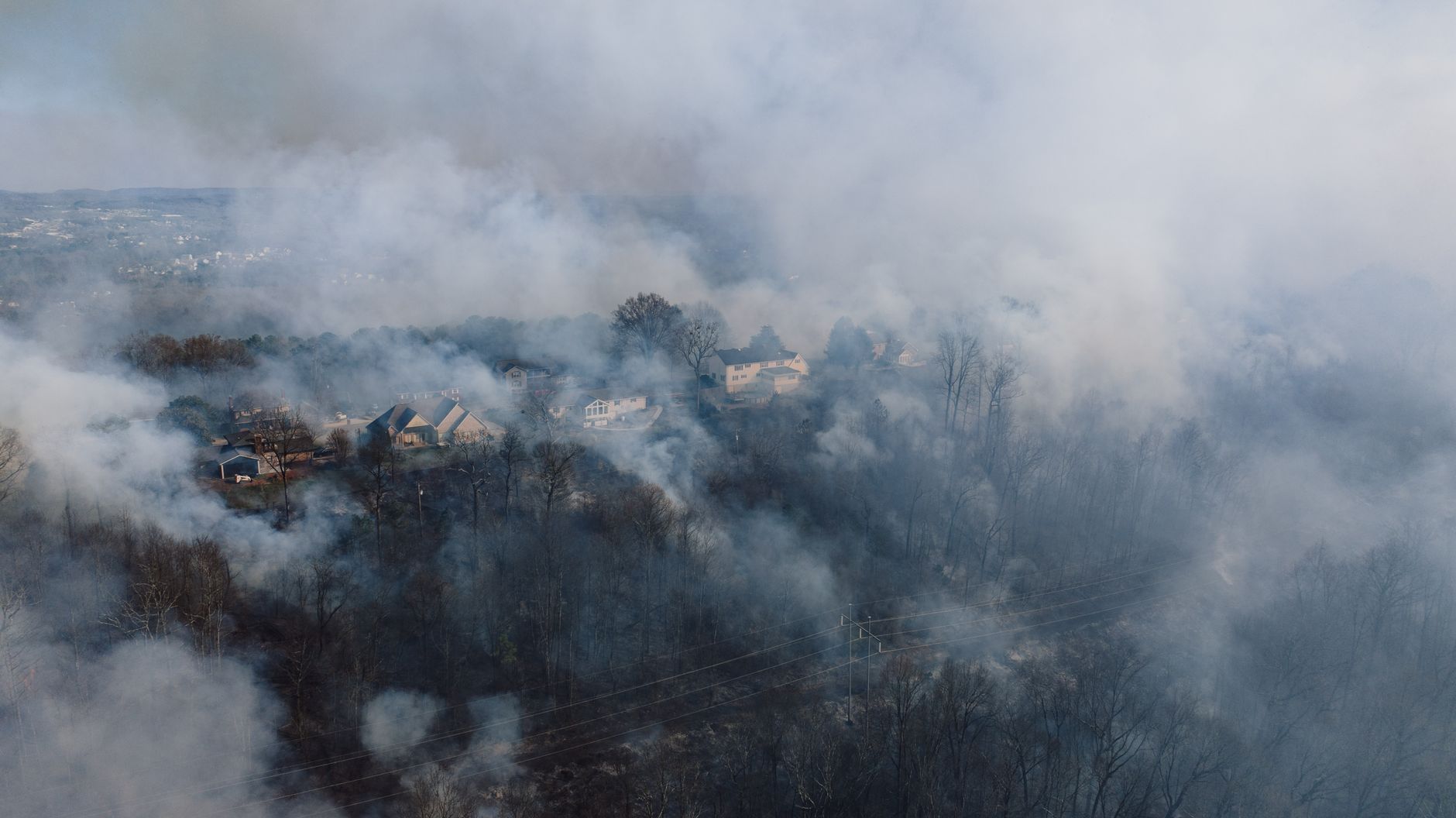
Millions of Americans across the Northeast and Midwest are under air quality alerts this week as thick smoke from wildfires in Canada and Minnesota drifts southward, blanketing cities from New York to Chicago. The situation is worsened by a simultaneous heat wave baking the region, creating a dangerous double threat to public health. CBS News medical correspondent Dr. Céline Gounder weighed in on the health implications, stressing that the combination of smoke and extreme heat can overwhelm even healthy individuals.
Health Risks of Wildfire Smoke
Wildfire smoke contains a complex mixture of gases and fine particles, known as PM2.5, that can penetrate deep into the lungs and enter the bloodstream. Short-term exposure can cause coughing, wheezing, and shortness of breath, while longer exposure increases the risk of heart attacks, strokes, and aggravated asthma. Dr. Gounder highlighted that the microscopic particles are especially dangerous because they evade the body's natural defenses, triggering inflammation throughout the body.
Vulnerable Populations
Children, older adults, pregnant women, and people with pre-existing respiratory or cardiovascular conditions are most susceptible. Those with diabetes or chronic kidney disease may also face heightened risks. Dr. Gounder advised that these groups should minimize outdoor activity and seek shelter in filtered indoor environments when air quality deteriorates.
The Added Danger of Extreme Heat
The concurrent heat wave compounds the health threat. High temperatures increase the body's demand for oxygen, while smoke reduces the air's oxygen content, forcing the heart and lungs to work harder. Dehydration from heat stress can also make the respiratory system more vulnerable to irritation. Dr. Gounder noted that the combination can trigger heat exhaustion or heatstroke alongside smoke-related symptoms, particularly in urban areas where the heat island effect traps pollutants near the ground.
Air Quality Index and Precautions
Air quality monitors across the region have recorded readings in the 'unhealthy' to 'very unhealthy' range on the Air Quality Index (AQI) over the past week. Authorities advise staying indoors with windows closed, using high-efficiency air purifiers, and wearing N95 masks if going outside is unavoidable. Dr. Gounder recommended avoiding strenuous activity, using air conditioning to filter recirculated air, and checking local AQI updates regularly. Even healthy individuals should limit prolonged exposure, she cautioned.
Looking Ahead
Meteorologists forecast that the smoke plume may persist for several more days, depending on wind patterns and wildfire containment efforts. The ongoing Canadian wildfire season, fueled by dry conditions and record heat, suggests that such events could become more common. As the climate warms, the intersection of wildfire smoke and heat waves may pose an increasing public health challenge, prompting calls for better early warning systems and infrastructure to protect vulnerable communities.
