Ceuta migrant death toll hits 72 after Morocco surge
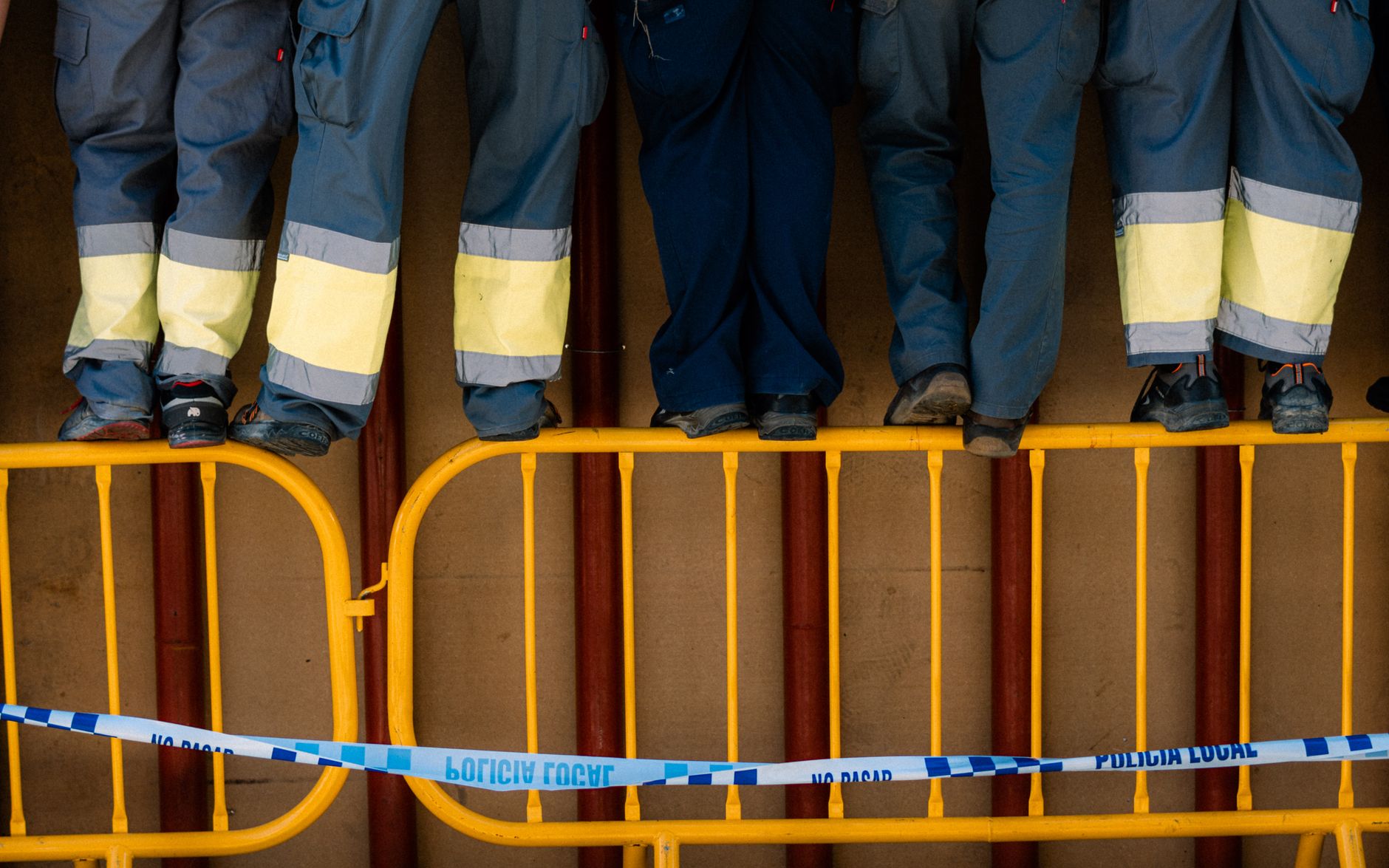
The death toll from Thursday's mass crossing into Spain's Ceuta enclave has reached 72, with five more bodies found Sunday. More than 50,000 migrants surged across the Moroccan border in an unprecedented wave.
At least 72 people have died in connection with a mass crossing attempt from Morocco into Spain’s North African enclave of Ceuta, Spanish officials said Sunday, as five more bodies were recovered along the coast. The updated toll follows an unprecedented surge that began Thursday, when more than 50,000 people tried to enter the city by land and sea, triggering a major humanitarian and political crisis for Spain and the European Union.
A wave that overwhelmed a border
The extraordinary movement of people rapidly overwhelmed Ceuta, one of the EU’s only two land borders with Africa. Witnesses described thousands of migrants swimming around the breakwater, while others scaled the border fence or waded through shallow water at low tide. In a single day, the number of arrivals dwarfed the enclave’s entire population of roughly 85,000, creating chaotic scenes at reception centres and along the coastline.
Spanish authorities confirmed that more than 48,000 people were returned to Morocco within 48 hours, with additional returns continuing through the weekend. Yet the human toll continued to rise as search teams discovered more bodies on Sunday.
Deaths and injuries paint a grim picture
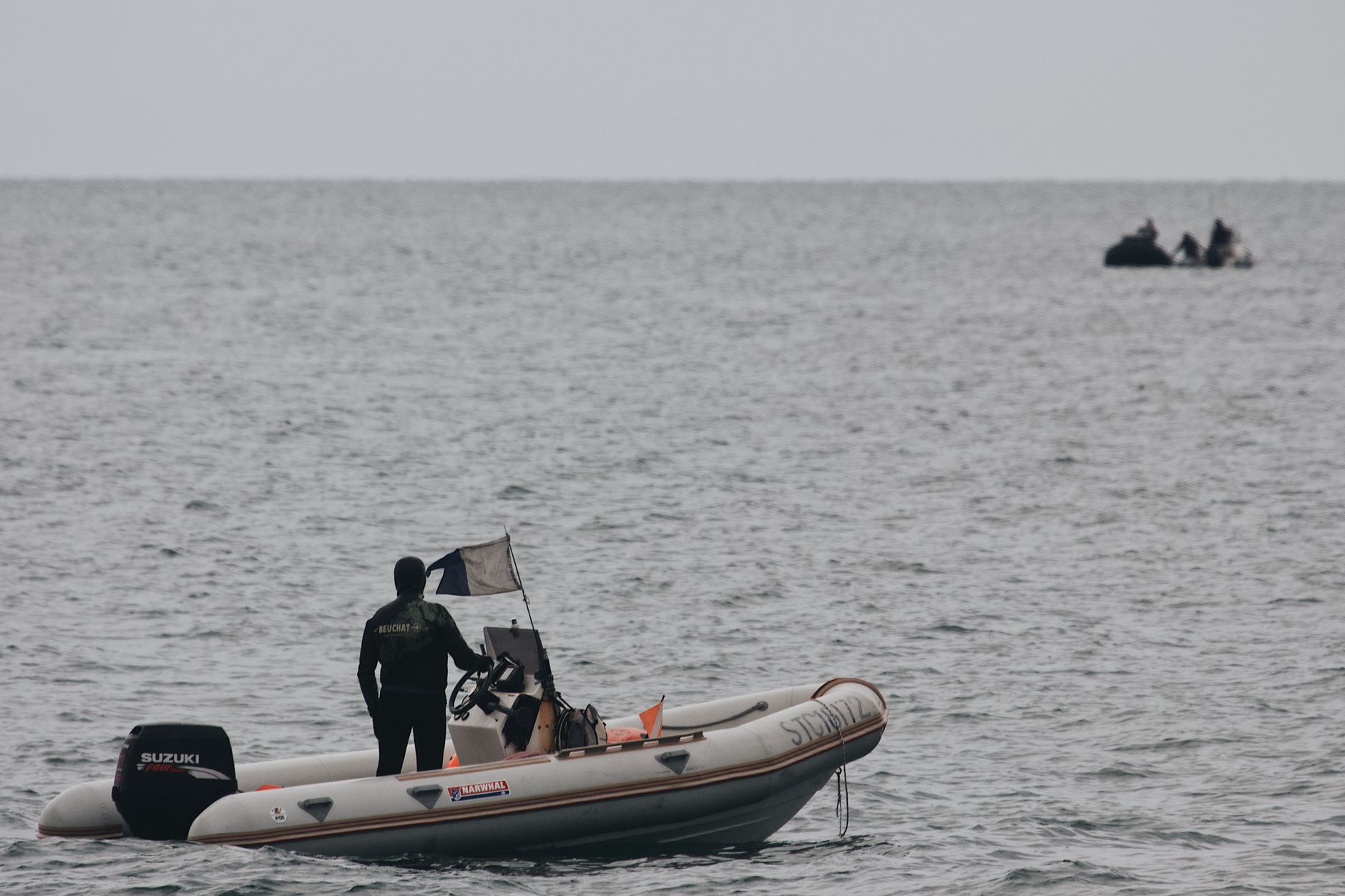
According to Miguel Angel Perez, the Spanish government’s representative in Ceuta, more than 1,000 people have received medical treatment since Thursday. The causes of death include drowning, crush injuries and falls, as migrants attempted to climb a breakwater and border fence. The exact circumstances of each death remain under investigation, but the scale of the tragedy underscores the extreme risks taken by migrants fleeing economic hardship.
Local health services were stretched to the limit, with medical teams working round the clock to treat injuries ranging from hypothermia to broken bones and wounds sustained during the fence assault. Perez said conditions in the city had improved notably, but acknowledged that a full return to normality would take time.
Diplomatic ripples and political alarm
The crisis sent shockwaves through European capitals, where leaders expressed alarm over the ease with which thousands breached a Schengen external border. The episode has reignited debates over migration policy, border security and relations between Spain and Morocco, which has denied any state orchestration of the surge. Both countries have engaged in urgent diplomatic contacts to manage the aftermath and prevent a repeat.
Ceuta and its sister enclave Melilla have long been flashpoints for migration, but the sheer speed and scale of this week’s arrival were unprecedented. Analysts note that the movement appears to have been partly fuelled by social media rumours encouraging young Moroccans and sub-Saharan migrants to attempt the crossing at once, possibly as a result of economic desperation exacerbated by regional instability.
What comes next
While the immediate crisis has ebbed, the underlying pressures that drive migration remain unresolved. Spanish authorities are likely to strengthen border surveillance and seek closer cooperation with Morocco on readmissions, while EU leaders may revisit asylum and border management frameworks. For the families of those who died, however, the promises of security offer little comfort. The weekend’s recoveries remind Europe that the human consequences of migration policy are measured not only in numbers, but in lives lost at the continent’s doorstep.