Russia launches deadly strikes on Ukraine after Zelenskyy warning
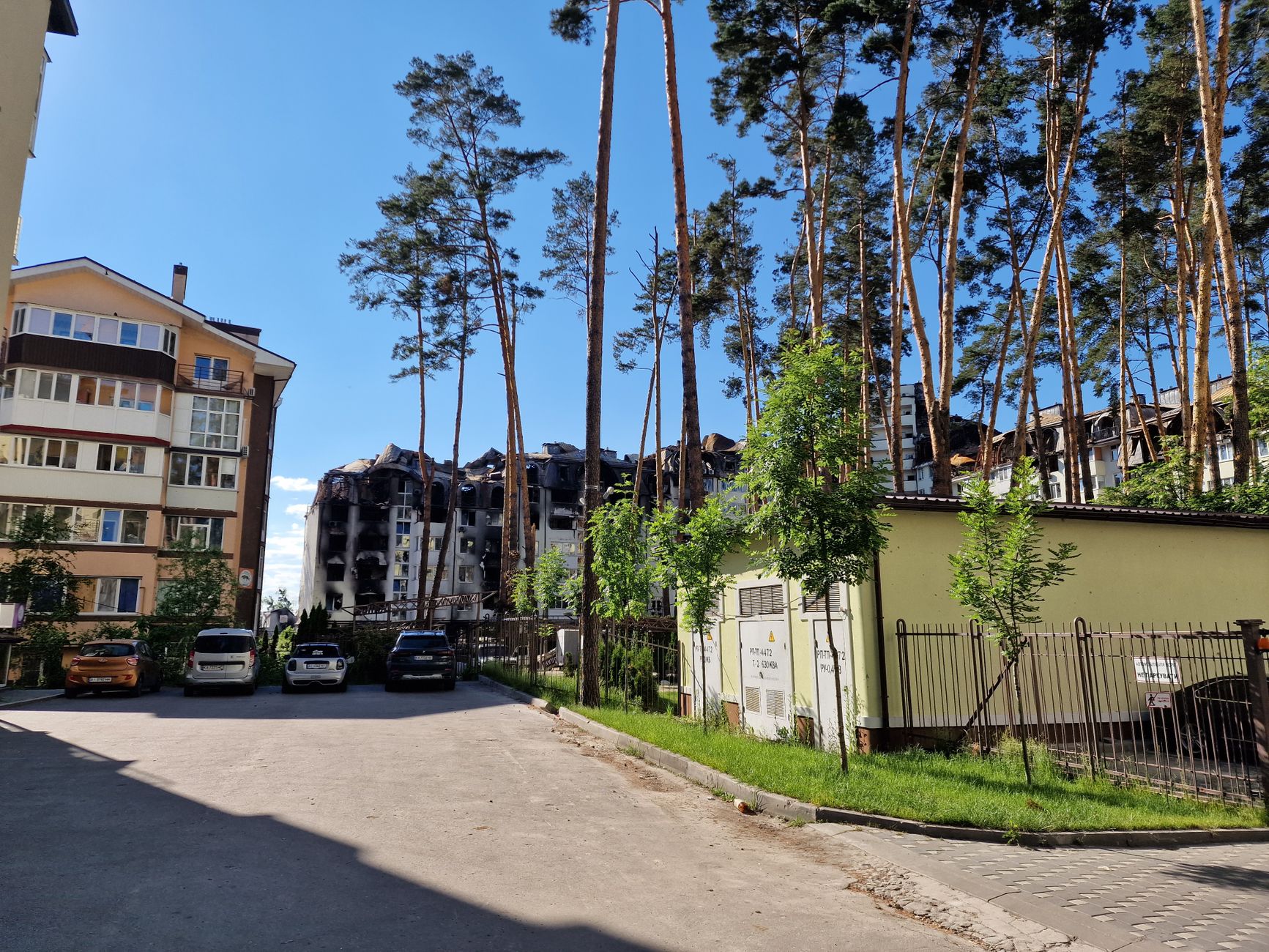
Russia struck Ukrainian cities killing seven after Zelenskyy warned of a massive attack. Poland scrambled jets as air defense systems were activated.
Russia launched a wave of ballistic missile attacks on Ukrainian cities early Thursday, killing at least seven people including two children, just hours after President Volodymyr Zelenskyy warned the nation to prepare for a 'massive' strike. The assaults struck Kryvyi Rih in central Ukraine, Kyiv, and Lviv, triggering fires and sending residents scrambling for shelter.
Overnight Attacks Kill Civilians Across Ukraine
In Kryvyi Rih, a ballistic missile directly hit a private home on the outskirts, killing two girls aged five and twelve along with four adults, according to Oleksandr Vilkul, head of the city's military administration. Eight others were wounded, and officials warned the death toll could rise. In Kyiv, at least one person was killed as explosions rocked the capital. Mayor Vitali Klitschko reported fires in several districts and urged residents to stay in shelters. The western city of Lviv also came under attack, with residential buildings damaged, according to Mayor Andriy Sadovyi. The strikes followed a nationwide air raid alert that sent many Ukrainians into metro stations and basements.
Zelenskyy's Advance Warning and the Strategic Context
Late Wednesday, President Zelenskyy posted on social media that Russian forces had prepared a large-scale assault over several days and that a strike was highly likely that night. He urged all regions to heed air raid alerts and stay safe. This public warning reflects Ukraine's growing ability to detect imminent attacks, but also underscores the persistent vulnerability of its air defense systems. Zelenskyy reiterated his call for allies to provide more missile interceptors, stating that the protection of civilian lives depends on their willingness to supply air defense missiles.
Civilian Toll and Rescue Operations
Emergency services rushed to the sites of the strikes, working to extinguish fires and search for survivors. In Kryvyi Rih, rescue crews combed through the rubble of the destroyed home, while in Kyiv, firefighters contained blazes in several districts. The attacks once again highlight the heavy toll on civilians in Russia's ongoing war, with children among the victims. Local authorities reported that the missile used in Kryvyi Rih was an Iskander-M ballistic missile launched from Voronezh, a Russian city near the border.

International Response: Poland Scrambles Jets
Poland, a NATO member sharing a border with Ukraine, scrambled fighter jets and activated ground-based air defense systems to protect its airspace during the attack. The Polish armed forces stated that early warning aircraft and radar reconnaissance systems were put on high alert. This precautionary measure reflects the risk of stray missiles or debris crossing into Polish territory, a concern that has escalated since a missile incident in 2022. The response underscores the broader regional security implications of Russia's strikes.
Cross-Border Incident in Russia
In a related development, a warehouse belonging to the online retailer Wildberries caught fire in the western Russian city of Penza, reportedly from a Ukrainian drone attack. Regional Governor Oleg Melnichenko said one person was injured and around 200 people were evacuated. The incident indicates that Ukraine continues to target Russian infrastructure in retaliation for the relentless bombardment of its own cities.
Implications and Next Steps
The latest wave of attacks comes as Ukraine faces a critical shortage of air defense munitions, with Western aid packages delayed. Zelenskyy's advance warning may have saved lives, but the inability to intercept all incoming missiles points to an urgent need for more sophisticated systems. As both sides escalate strikes, civilians on both sides bear the brunt. Ukraine's allies are under renewed pressure to accelerate deliveries of air defense systems and interceptors to help protect cities and critical infrastructure. The coming weeks will test whether the international community can meet the urgent demands of a country under siege.