Cutting ultra-processed foods: 8 tips that worked for my family

A journalist shares eight strategies that helped her family reduce ultra-processed foods, from introducing produce early to using farmers' markets.
For five years, I have been trying to reduce ultra-processed foods (UPF) in my family's diet, and it has been a challenging but rewarding journey. Many experts agree that UPF pose health risks due to unhealthy ingredients, links to disease, and environmental impacts. If you're looking to cut back, here are eight tips that worked for us.
Start with Plant-Based Substitutes
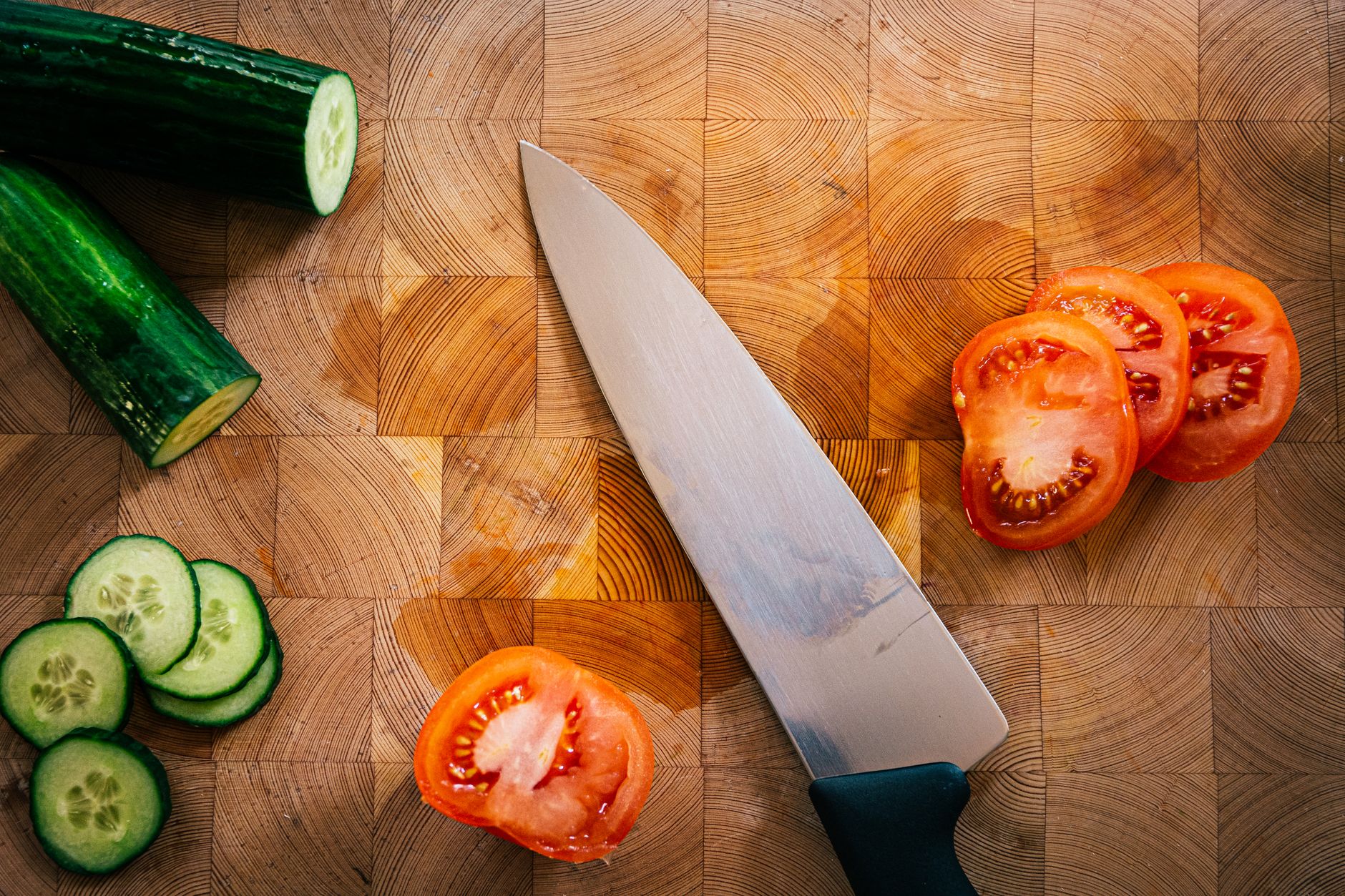
Plant foods are among the easiest and most plentiful substitutes for UPF. Fruits and vegetables are obvious choices, but nuts, seeds, popcorn, and roasted seaweed are also tasty and nutritious options. Incorporating these into daily meals can gradually replace processed snacks.
Introduce New Foods Early and Often
Kary Rappaport, a pediatric occupational therapist and executive director of Solid Starts, emphasizes that the six-to-12-month age window is crucial for introducing fruits and vegetables. "It is an exceedingly important window of time, when most babies are most developmentally open to a wide variety of foods and flavors," she says. For older children, Rappaport suggests using small tastes and different preparations, focusing on describing the food's qualities rather than whether the child likes it. Encourage them to notice sweetness or temperature without making it a value judgment.
Leverage Timing and Hunger
Timing matters when introducing new foods. "We are all more motivated to try and like things when we're a little bit hungry," Rappaport notes. She recommends putting out a tray of raw veggies with hummus while cooking dinner, during that pre-dinner snacking window. However, avoid forcing a hangry child to try new vegetables.
Seek Out Flavorful Produce
Julia Wolfson, an associate professor in public health at Johns Hopkins University, advises incorporating vegetables and fruits as much as possible, even when non-UPF options are limited. Chef Penny Stankiewicz highlights the importance of seasonal produce from farmers' markets: "Whatever they have in your farmers' market is what is seasonal, and what is seasonal is going to be better." She contrasts a perfect-looking but flavorless store-bought tomato in January with a peak-season tomato that needs no enhancement. While farmers' markets can be pricier and not universally accessible, the flavor payoff is huge. Alternatively, frozen and canned produce is usually preserved at its peak.
Build Awareness and Appreciation
Part of my motivation to minimize UPF came from not wanting to support corporations that exploit workers, mistreat animals, or harm ecosystems. Teaching children where food comes from and how to prepare it builds appreciation. Rappaport also suggests discussing how foods make their bodies feel—for instance, explaining that eating too many gummy worms or a bag of Flamin' Hot Cheetos on a car trip won't sit well in their stomachs.
Reducing ultra-processed foods is a gradual process that requires patience and consistency. By starting with small changes, like introducing plant-based snacks or visiting a local farmers' market, families can make meaningful progress. The key is to focus on progress, not perfection, and to involve children in the journey to build lifelong healthy habits.