Stablecoins Lead as Latin America Crypto Utility Surges
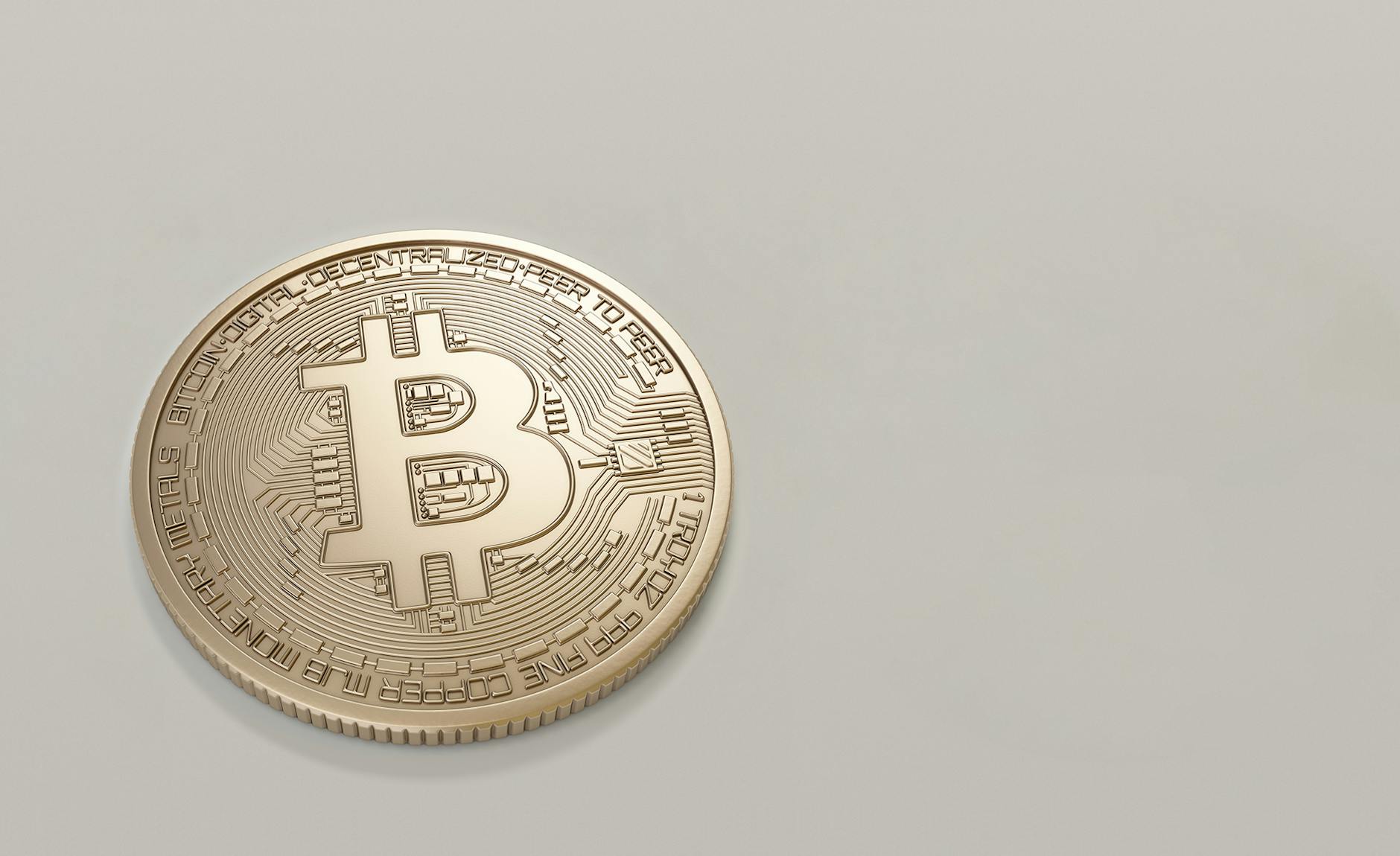
Bitcoin and altcoins edged lower Wednesday, but the real story is Latin America's stablecoin boom for payments and savings. Brazil's B3 exchange launches crypto options, pulling digital assets into mainstream finance.
Cryptocurrency markets posted modest losses in Wednesday's trading session, with Bitcoin, Ethereum, Solana, and XRP all finishing slightly in the red. But beneath the surface, a far more significant shift is underway across Latin America: stablecoins—digital tokens pegged to the dollar—are rapidly becoming the region's primary financial rail for saving, sending money, and settling payments.
Market Snapshot: Quiet Consolidation
The latest settled session saw Bitcoin close at $65,899, down 0.31%; Ethereum at $1,932, down 0.08%; Solana at $77.91, down 0.26%; and XRP at $1.1416, down 0.08%. These marginal declines are characteristic of a market in consolidation, not panic. Traders appear to be in a holding pattern, waiting for a clear catalyst before committing to directional bets. The small moves suggest buyers and sellers are roughly balanced, with the next leg likely depending on fresh macroeconomic or regulatory news.
The Real Story: Stablecoins as Digital Dollars
For Latin America, the daily price action in major coins is less relevant than the structural expansion of stablecoin usage. According to data cited by market analysts, the region processed nearly $1.5 trillion in total cryptocurrency transaction volume from July 2022 to June 2025, with stablecoin volume alone reaching $324 billion in 2025. These tokens, typically pegged 1:1 to the U.S. dollar, are increasingly used as a store of value in high-inflation economies like Argentina and as a low-cost remittance corridor across borders.
Brazil remains the anchor market, accounting for the largest share of regional volume. Argentina's persistent inflation drives demand for dollar-denominated digital savings vehicles, while El Salvador continues to leverage its Bitcoin policy but sees stablecoins as a complementary tool for everyday transactions. The key variable to watch is the growing share of remittances and business payments settling on stablecoin rails, which could further accelerate adoption.
Institutional Milestone: Brazil's B3 Launches Crypto Options
A pivotal institutional development came from Brazil's B3 exchange, which launched options on Bitcoin, Ethereum, and Solana futures. This move allows regulated investors to gain exposure to digital assets through traditional market infrastructure, bridging the gap between retail-driven offshore trading and mainstream finance. By offering crypto derivatives on a regulated exchange, B3 is pulling digital assets deeper into the formal financial system—a step that could attract pension funds, asset managers, and other institutional capital that previously shied away due to regulatory uncertainty or operational complexity.
The launch signals growing acceptance of crypto as an asset class within Brazil's sophisticated financial ecosystem. It also provides local investors with familiar hedging tools, reducing the need to use unregulated offshore platforms. This development is likely to increase liquidity and price discovery for crypto assets in Latin America's largest economy.
Outlook: Utility Over Speculation
For international readers, the takeaway is clear: in Latin America, crypto is less about trading and more about utility—providing access to dollars, enabling faster payments, and offering a hedge against local currency volatility. The immediate market action suggests caution, but the long-term narrative is driven by real-world use cases. As stablecoin adoption grows and regulatory frameworks mature, the region is poised to become a global laboratory for digital currency innovation. The next phase will depend on how quickly remittance flows and business payments migrate onto stablecoin infrastructure, and whether other Latin American exchanges follow B3's lead in offering regulated crypto derivatives.