Ebola outbreak in Congo surpasses 1,000 deaths

DRC's Ebola outbreak has crossed a grim milestone, with over 1,000 deaths. The second-largest epidemic on record rages on amid conflict and mistrust.
The Ebola outbreak in the Democratic Republic of the Congo (DRC) has reached a devastating new low: more than 1,000 people have died since the epidemic began in August 2018. This marks the first time an Ebola outbreak has topped the 1,000-death threshold outside of the 2014-2016 West Africa epidemic, making it the second deadliest in history. The virus has torn through the northeastern provinces of North Kivu and Ituri, where armed conflict and community resistance have hampered containment efforts.
A perfect storm for disease spread
The DRC's tenth Ebola outbreak was declared last August in Mangina, a town in North Kivu. The region is a densely populated area with frequent cross-border movement into Uganda, Rwanda, and South Sudan. Unlike previous outbreaks in the DRC, which were often contained in remote forests, this one has thrived in urban centers like Butembo and Beni, where population density and mobility accelerate transmission. Adding to the complexity, dozens of armed groups are active in the area, making it dangerous for health workers to access communities. In some instances, attacks have forced temporary suspensions of vaccination campaigns and treatment operations.
Community mistrust fuels spread
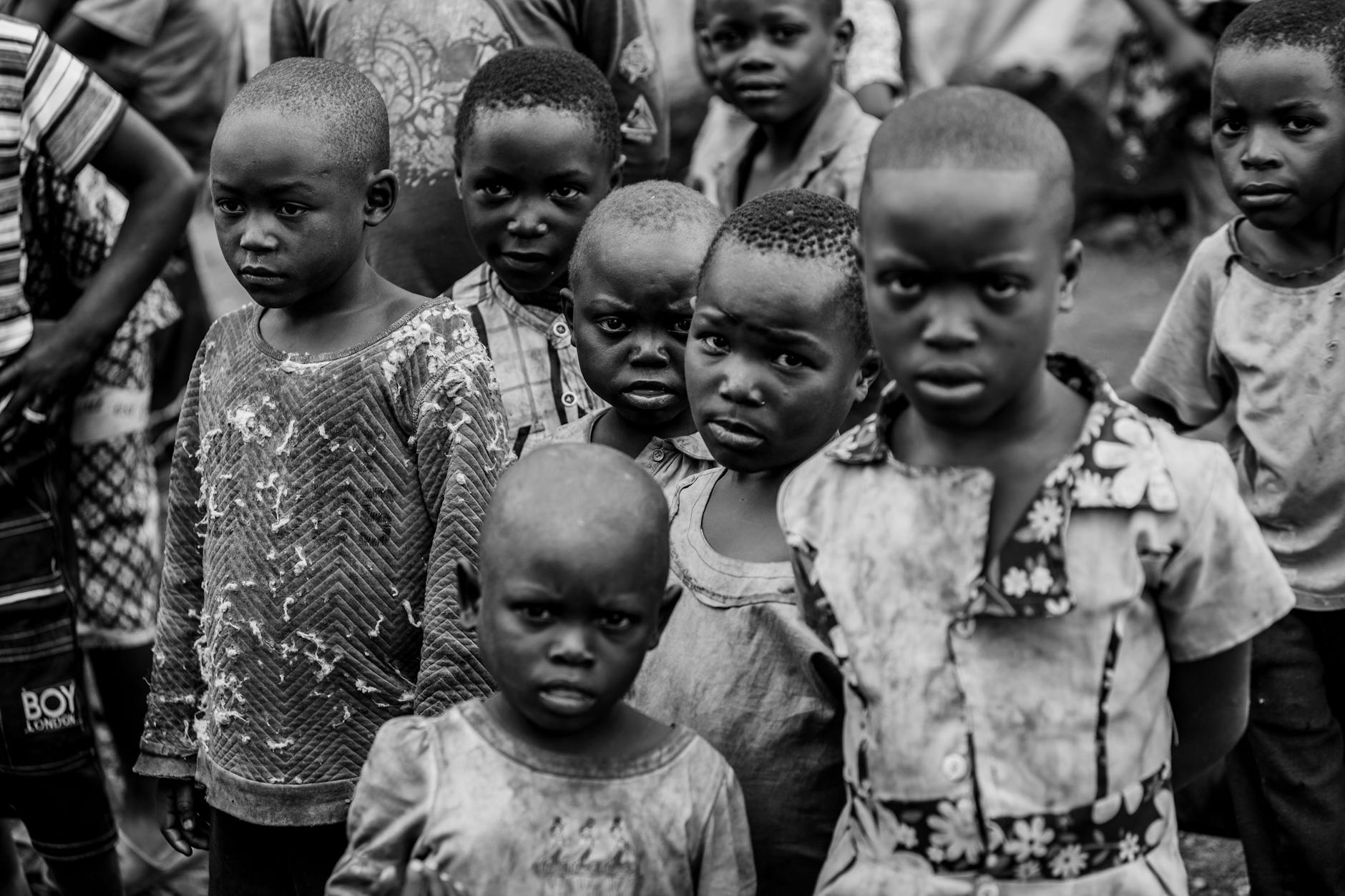
Another major hurdle is public distrust. Many locals are suspicious of foreign medical teams, a sentiment exacerbated by years of conflict and political instability. Misinformation about the virus and the vaccine has led some to refuse treatment or hide their symptoms. Others have resorted to traditional burial practices that involve close contact with the deceased, which is a major route of transmission. Health officials have attempted to build trust by engaging community leaders and survivors, but progress has been slow. The World Health Organization (WHO) has repeatedly described the outbreak as a public health emergency of international concern, but the response remains underfunded.
Health workers and the fight against Ebola
Despite the obstacles, health workers have achieved remarkable feats. Over 160,000 people have been vaccinated with the experimental yet effective vaccine, and more than 2,500 patients have received treatment. New therapeutics have been deployed, improving survival rates. Yet the team's efforts are continually undermined by violence and logistics. In the past year, four health responders have been killed, and numerous treatment centers have been attacked. The DRC government, together with the WHO and partners, is now searching for ways to adapt—including working with local militias to secure safe passage for health teams.
Looking ahead
As the outbreak enters its second year, the risk of international spread remains high. Neighboring countries have already reported isolated cases. The global community has pledged more funds and personnel, but the epidemic's trajectory will depend on whether the DRC can stabilize the security situation and gain community acceptance. Without sustained commitment, the virus could become endemic in the region—a threat that would extend far beyond its borders.