Woodside gas project faces court challenge over climate, rock art
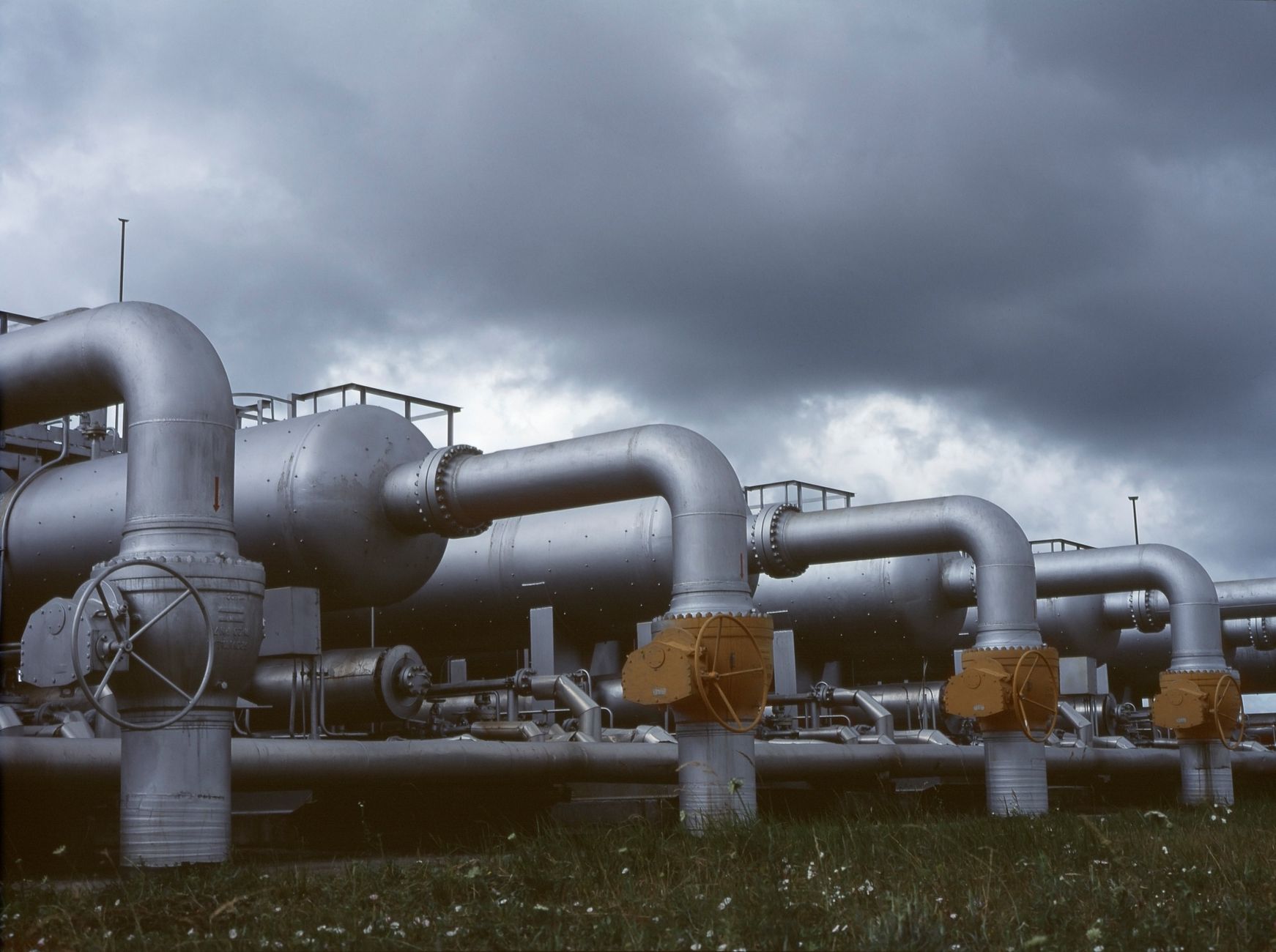
The Australian Conservation Foundation and Friends of Australian Rock Art are taking legal action against the approval of Woodside's North West Shelf gas extension, citing climate impacts and risks to ancient petroglyphs.
The Albanese government’s approval of one of the world’s largest gas projects in Western Australia is being contested in the Federal Court this week, in a case that will test how Australia’s environment laws address the climate crisis. The Australian Conservation Foundation (ACF) and Friends of Australian Rock Art (Fara) are running concurrent challenges against the extension of Woodside’s North West Shelf gas export project, which was given the green light by Environment Minister Murray Watt last year.
The ‘carbon bomb’ at the centre of the case
Conservationists and the Greens have condemned the approval, which allows Woodside’s Karratha gas processing plant to operate until 2070. The ACF estimates the project will release about 4 billion tonnes of carbon dioxide into the atmosphere—equivalent to roughly 10 years of Australia’s total annual emissions. Critics have branded it a “carbon bomb” and argue the minister failed to properly consider the climate consequences. The ACF contends that the minister did not adequately assess how emissions from the plant could become a “substantial cause” of damage to Australia’s protected environments. It also claims the minister lacked sufficient detail about the volume of gas the plant would process, partly because it would handle third-party gas from projects yet to be approved.
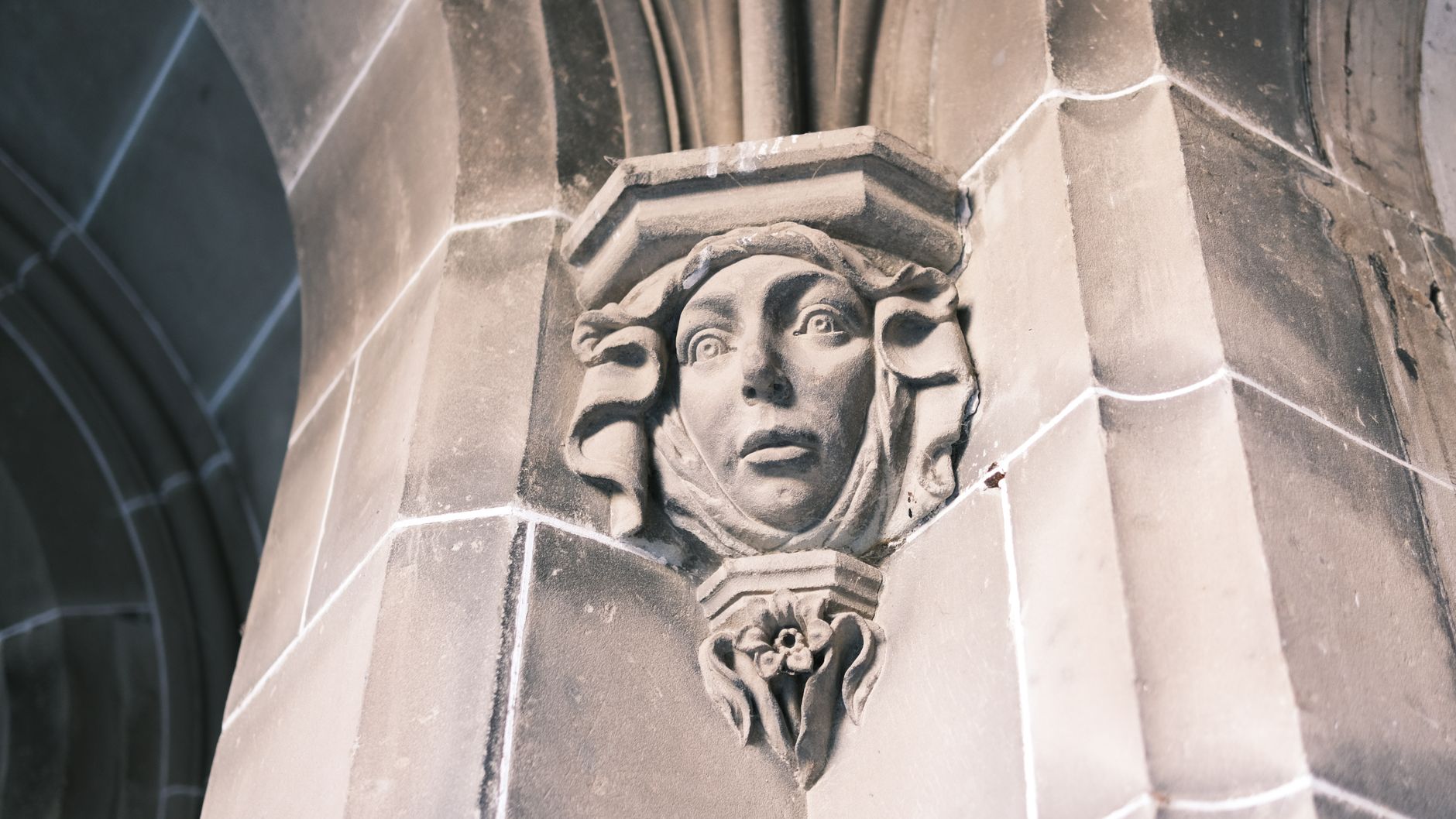
Ancient rock art at risk
The gas plant operates adjacent to the Murujuga rock art complex in Western Australia, a landscape containing over one million petroglyphs dating back 50,000 years, including the oldest known image of a human face. Fara, a volunteer group that helped secure national heritage listing for the area in 2007, argues that industrial emissions from the plant are already causing erosion of the petroglyphs and that extending the project will worsen the damage. While government-backed monitoring has largely dismissed those concerns, some scientists remain unconvinced. Fara is also seeking details of meetings between Minister Watt and Woodside during negotiations over the project’s conditions, arguing the minister did not properly identify the risks to the rock art.
Legal proceedings and international input
The cases are being heard before Justice Catherine Button in Melbourne. The United Nations Special Rapporteur on the human right to a clean, healthy and sustainable environment, Astrid Puentes Riaño, has been granted leave to intervene as a “friend of the court,” providing written submissions on Australia’s international climate obligations. Adam Bandt, chief executive of the ACF, said outside court that it would be up to the court to decide the merits, but emphasised that the minister made the wrong decision by failing to take significant factors—including climate change—into account. The ACF also argues that the minister incorrectly weighed the claimed economic benefits of the gas plant, a point echoed by Fara.

What’s next
The hearings are expected to run this week, with a decision likely to take months. The outcome could set a precedent for how Australian courts handle climate-related challenges to major fossil fuel projects. If the challenges succeed, it would force the government to reconsider the approval and potentially impose stricter conditions. Environmental groups hope the case will strengthen protections for both the climate and culturally significant sites like Murujuga.