China Belt and Road boosts green energy amid Iran war oil slump

China is ramping up green energy investments through the Belt and Road Initiative, capitalizing on a shift toward renewables as conflict in Iran depresses global oil demand.
China is pouring significant funding into green energy deals under the Belt and Road Initiative (BRI), taking advantage of a rising global appetite for renewables as the prolonged conflict in Iran weighs on oil demand. This strategic pivot, confirmed by Beijing’s recent announcements, marks a major shift in the country’s energy diplomacy, aiming to lock in long-term influence in emerging markets while reducing exposure to volatile fossil fuel markets.
The Context: Iran War and Oil Demand
The ongoing war in Iran has disrupted global oil supply chains and sent crude prices fluctuating, but it has also accelerated a structural decline in oil demand. Many countries, particularly those reliant on oil exports, are now seeking to diversify their energy mix. This creates a strategic opening for China, which has long used the BRI to secure resources and infrastructure deals. Instead of doubling down on fossil fuels, Beijing is redirecting capital toward solar, wind, and hydropower projects across Asia, Africa, and Latin America.
Belt and Road's Green Shift
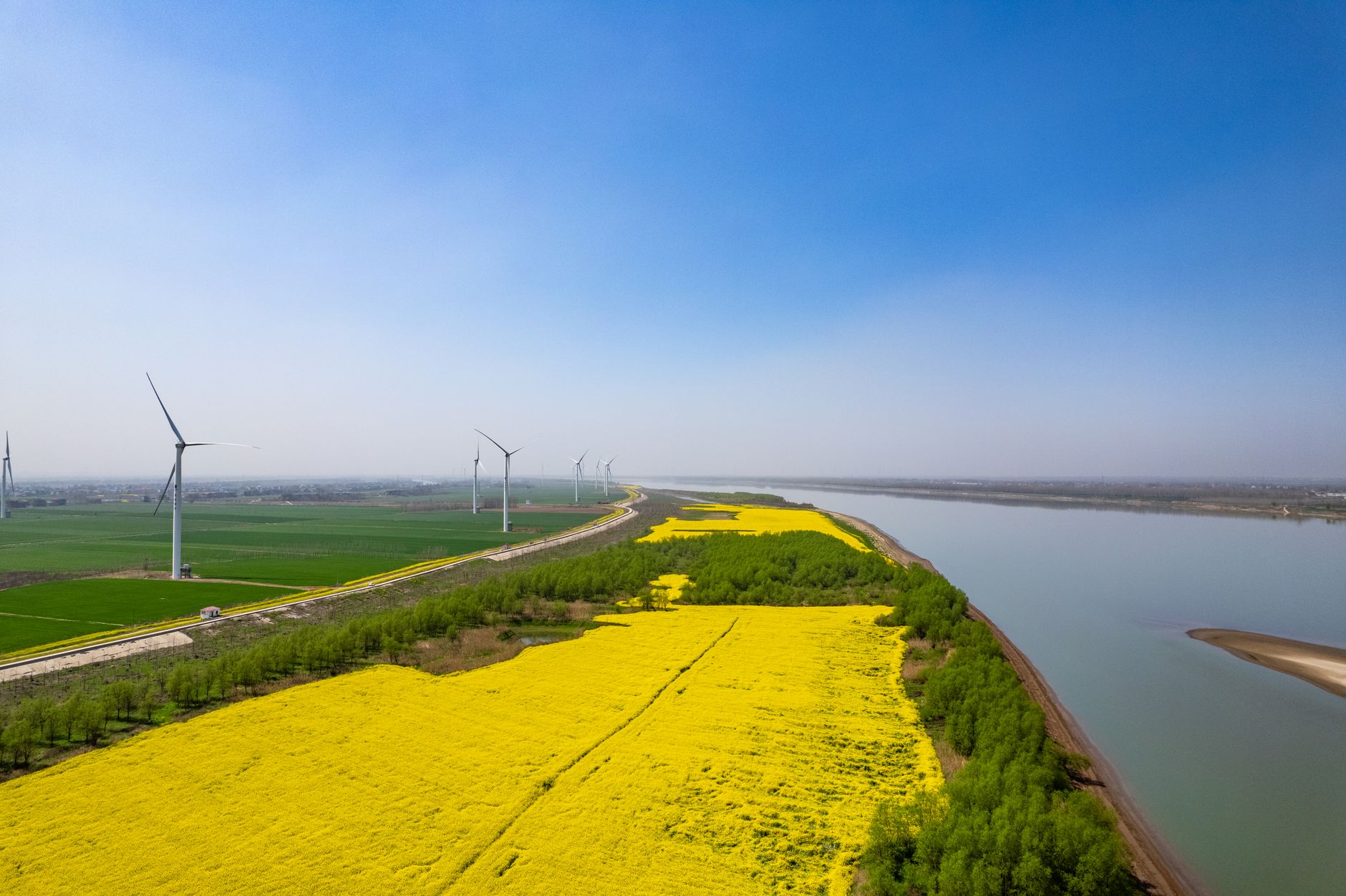
China’s green energy push under the BRI is not entirely new, but the current geopolitical upheaval has given it fresh urgency. State-owned enterprises and Chinese development banks are now prioritizing renewable energy investments over traditional coal or oil projects. In the past year alone, China has committed billions to solar farms in Pakistan, wind turbines in Kenya, and hydropower plants in Brazil. These deals are often packaged with technology transfers and long-term maintenance agreements, ensuring China’s role as a dominant partner in the energy transition of developing nations.
Analysts note that this approach aligns with China’s domestic goals of achieving carbon neutrality by 2060, while also expanding its geopolitical footprint. By funding green infrastructure, China positions itself as a responsible global actor, contrasting with the oil-centric strategies of Western powers. Moreover, the BRI’s green turn helps China absorb its own overcapacity in solar panels and batteries, providing a market for its renewable energy industries.
Implications for Global Energy Markets
The shift has significant implications for global energy markets. As China withdraws from fossil fuel financing, other players like Russia and Saudi Arabia may step in, but they lack the scale and integration that the BRI offers. Chinese-financed renewables could lower the cost of green energy in recipient countries, accelerating the global energy transition. However, concerns remain about debt sustainability and environmental standards, as some projects have faced criticism for their impact on local ecosystems.
Meanwhile, the Iran war’s drag on oil demand is likely to persist, giving China further incentive to lock in renewable commitments. If oil prices stay low, petrostates may struggle to fund their own green transitions, deepening their reliance on Chinese investment.
Looking Ahead
In the coming years, China’s green BRI investments are expected to grow, with a focus on battery storage and grid integration to complement intermittent renewables. Beijing is also exploring green hydrogen projects as a new frontier. The success of this strategy will depend on whether recipient countries can manage the technical and financial challenges of integrating large-scale renewables. For now, China is betting that the Iran conflict will permanently reshape energy demand, and it is moving decisively to capture the upside of a greener world.