Ceuta crisis: 22 EU leaders gang up against Spain’s Sánchez over his migration policy
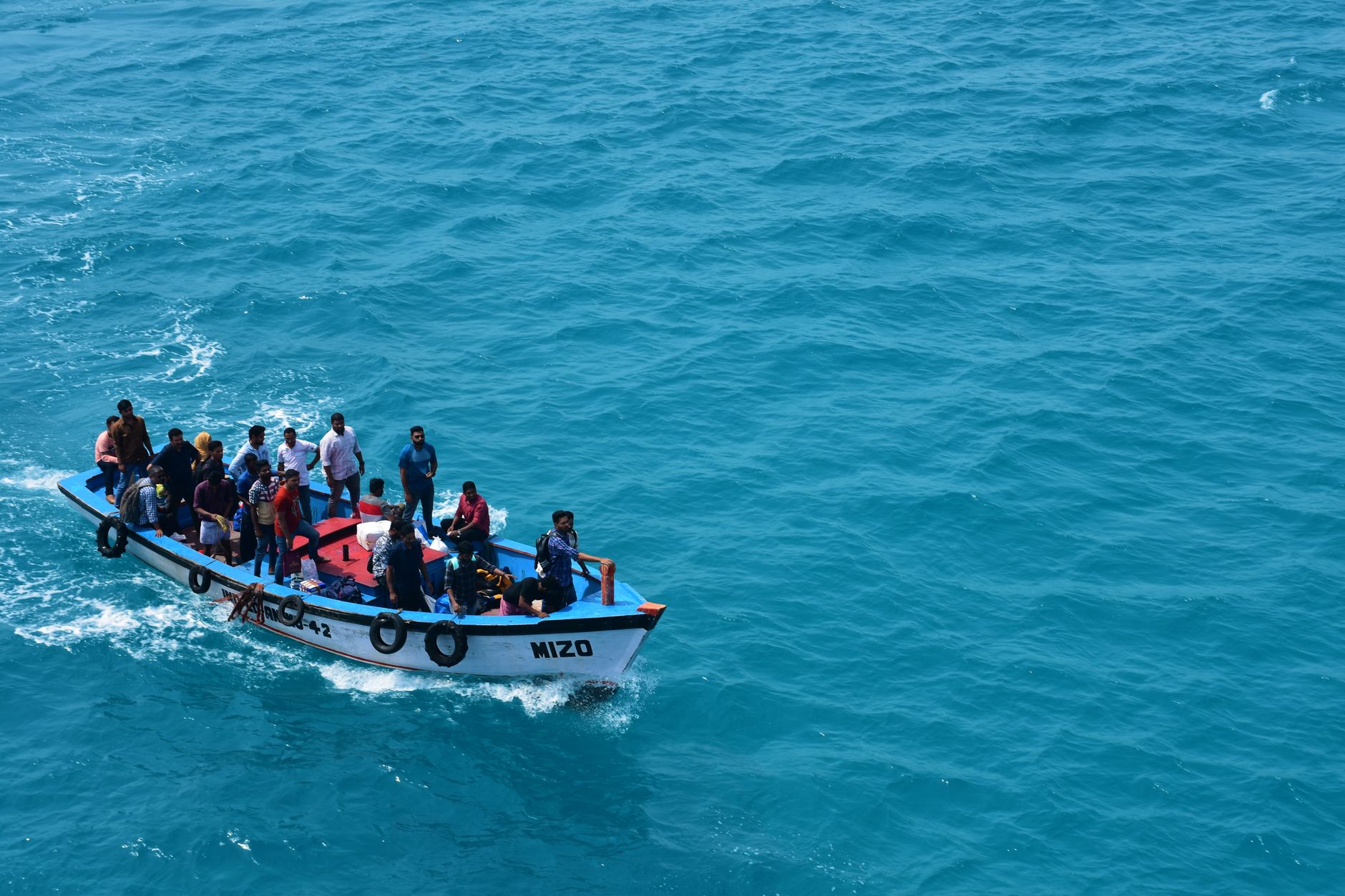
Spanish PM Sánchez slams EU partners as selfish and unlawful during the Ceuta migrant crisis. A 22-nation bloc pushes back, revealing stark divisions over migration.
In a dramatic escalation of the Ceuta migration crisis, Spanish Prime Minister Pedro Sánchez has accused fellow European Union leaders of adopting "selfish" and "unlawful" positions as Morocco allowed thousands of migrants to surge into the Spanish enclave. The confrontation unfolded as 22 EU member states reportedly rallied against Sánchez, exposing deep divisions within the bloc over how to handle migration pressures.
Ceuta at the Center
Ceuta, a small Spanish territory on the North African coast, became the flashpoint when Moroccan authorities appeared to relax border controls, leading to a sudden influx of migrants swimming or walking along the shoreline. Spanish authorities described a "massive" arrival of people, including families and unaccompanied minors, overwhelming local resources. The Spanish government deployed military and police reinforcements to attempt to control the situation, while Sánchez called for European solidarity in a time of exceptional need.

Sánchez's Sharp Rebuke
In his remarks, Sánchez pointedly criticized EU partners for what he characterized as a lack of support. He argued that their positions were not only selfish but also unlawful, suggesting that they had failed to uphold the legal obligations of solidarity enshrined in EU treaties. According to Sánchez, the burden of managing the EU's external borders should be shared equally among member states, rather than placed solely on frontline nations like Spain. He insisted that the response from other capitals fell short of the bloc's values and commitments.
The Spanish leader's tone reflected frustration that Spain, already grappling with economic and social challenges from the pandemic, was being left to handle a migration surge alone. He signaled that the EU's founding principle of solidarity appeared hollow when tested by a sudden emergency on its southern flank.
The EU Pushback
The response from other EU leaders was swift and sharp. A coalition of 22 countries—representing a significant majority within the union—pushed back against Sánchez's characterization, with some arguing that Spain, as the sovereign power in Ceuta, held primary responsibility for its territory's security. Diplomats suggested that the group, which had coordinated its position, was unwilling to accept additional migrant quotas or financial transfers to Spain. The standoff underscored an emerging fault line in European politics: while southern border states demand more solidarity, northern and eastern members increasingly resist mandatory relocations.

A Divided Union
The diplomatic clash has raised serious questions about the future of EU migration policy. With negotiations over a new migration pact already gridlocked, the Ceuta incident threatens to harden positions on both sides. Spain has called for a binding mechanism to distribute asylum seekers across the bloc, but the opposing coalition argues that voluntary commitments are the only viable path forward. Meanwhile, the episode has also strained Spain's relationship with Morocco, which insisted it was not promoting the crossings and blamed a "humanitarian crisis" on Spanish authorities. Sánchez, however, hinted at possible economic and diplomatic consequences if the situation was not resolved, underscoring the geopolitical stakes involved.
For many observers, the standoff is a stark reminder of the fundamental disagreements that have hamstrung EU migration reform for years. The divide between frontline states and those further from the border has widened, and the Ceuta crisis appears to have hardened hearts on both sides. Some analysts argue that without a genuine burden-sharing mechanism, similar scenes will repeat along Europe's external borders.
Looking Ahead
As the situation on the ground gradually stabilized, the political fallout continues to reverberate. Whether the EU can translate shared concern into concrete action will depend on the willingness of its members to bridge their differences. For now, the Ceuta crisis has exposed how quickly migration disputes can alienate allies and reshape alliances within the union—leaving Sánchez isolated among his peers, yet seemingly determined to press for a more collective approach. The coming weeks will show whether his accusations, backed by the urgency of the crisis, can indeed force a rethorical shift or widen the cracks in Europe's migration consensus.