CENTCOM Completes 12th Night of Strikes on Iranian Military Targets
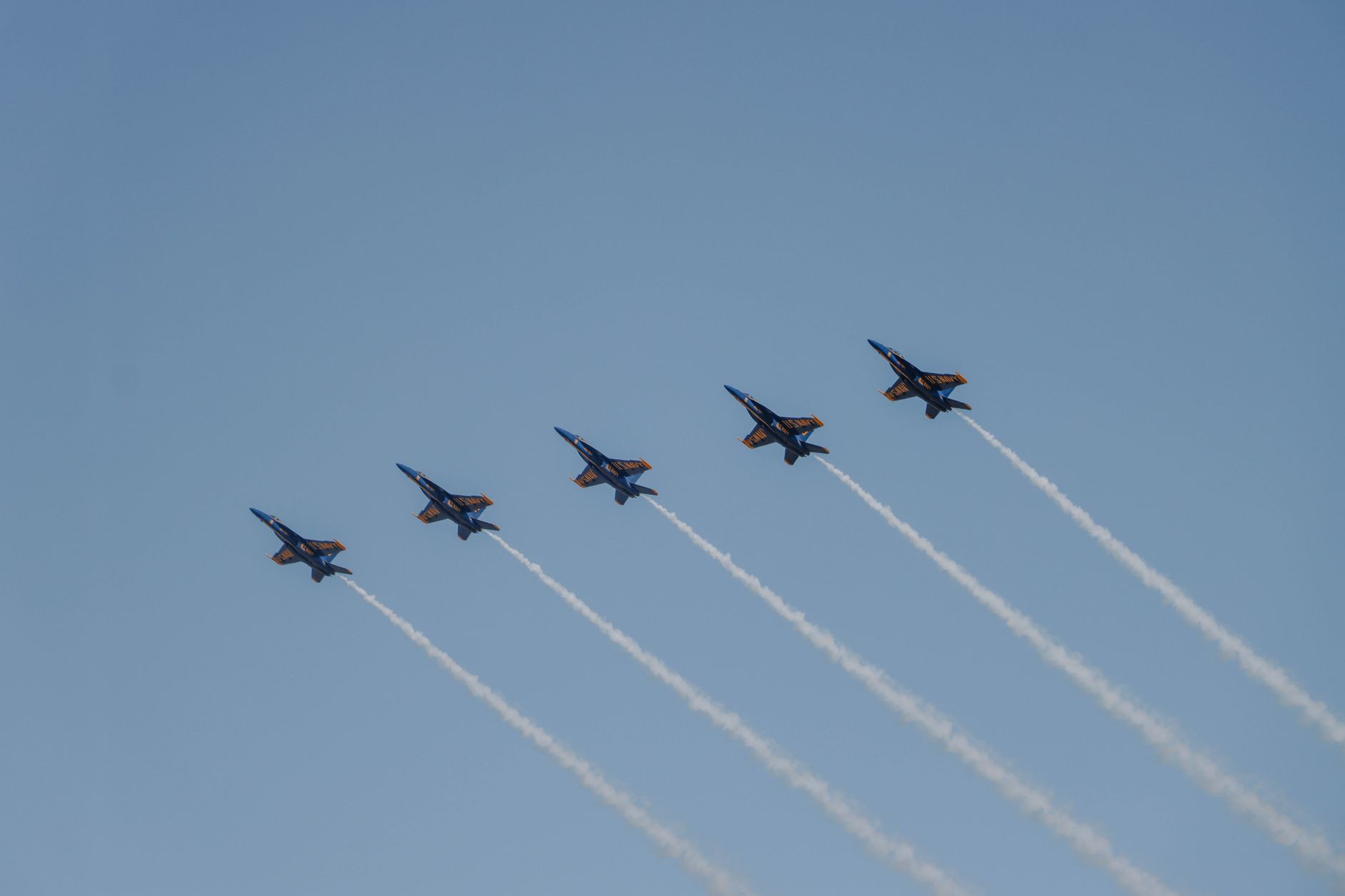
US Central Command says it finished another wave of attacks on Iran, marking 12 consecutive nights of strikes against missile, drone, and air defense sites.
US Central Command (CENTCOM) announced on Wednesday that it had “completed” its latest round of military strikes against Iran, marking the twelfth consecutive night of attacks on the country. In a statement on X, CENTCOM said US forces targeted Iranian military assets including maritime capabilities, missile and drone storage facilities, coastal surveillance sites, and air defense systems.
Scope and Strategy of the Strikes
The sustained bombardment reflects a broader US strategy to degrade Iran’s ability to project power in the region. By hitting coastal surveillance and air defense installations, Washington aims to blind Tehran’s early-warning systems and limit its capacity to defend against further strikes. The inclusion of missile and drone storage sites suggests a focus on preventing Iran from launching retaliatory attacks against US forces or allies.
Defense analysts note that the 12-night campaign is unusually prolonged by modern standards, indicating a deliberate pace meant to systematically dismantle key nodes of Iran’s military infrastructure without triggering a full-scale war. The choice of targets also signals a desire to disrupt Iran’s maritime operations in the Persian Gulf and the Strait of Hormuz, a vital chokepoint for global oil shipments.
Regional Reactions and Escalation Risks
The repeated strikes have drawn condemnation from Iran and its allies, while US partners in the Gulf have remained largely silent. Iran’s Foreign Ministry warned that the attacks could destabilize the region and vowed to respond “at the appropriate time and place.” Meanwhile, the US has bolstered its naval presence in the Middle East, deploying additional destroyers and fighter squadrons to deter any Iranian reprisals.
International observers express concern that the cycle of strikes and potential retaliation could spiral into a broader conflict. The United Nations has called for restraint, but both sides appear entrenched in their positions. CENTCOM’s statement did not indicate whether further operations are planned, but the wording “completed” may signal a pause rather than a permanent end.
Implications for US-Iran Relations
The sustained campaign represents a significant escalation in the long-running shadow war between the US and Iran. While previous exchanges have been limited to cyberattacks, proxy forces, and occasional airstrikes, the current intensity is unprecedented since the 2020 assassination of Qasem Soleimani. The strikes also coincide with diplomatic efforts to revive the nuclear deal, now in limbo.
Tehran may interpret the attacks as an attempt to cripple its military capabilities ahead of possible negotiations, giving Washington leverage. However, the strategy carries risks: if Iran retaliates against US bases or Israeli assets, the conflict could expand rapidly. Analysts suggest that the next few days will be critical in determining whether both sides de-escalate or enter a more dangerous phase.
Looking Ahead
The completion of the 12th round of strikes does not guarantee an end to hostilities. CENTCOM’s phrasing leaves open the possibility of future operations if Iran attempts to rebuild its capabilities or launches retaliatory attacks. The Biden administration has warned that it will continue to defend its forces and interests. Meanwhile, Iran may seek asymmetric responses through proxy militias in Iraq, Syria, or Yemen, prolonging the confrontation. The coming weeks will test Washington’s resolve and Tehran’s willingness to absorb repeated blows without a major reprisal.
