IRGC Strikes US Command Center in Syria, Threatens Strait of Hormuz

Iran's Revolutionary Guard launches retaliatory attack on US special operations base in Syria and claims full control over the Strait of Hormuz, vowing to halt oil exports.
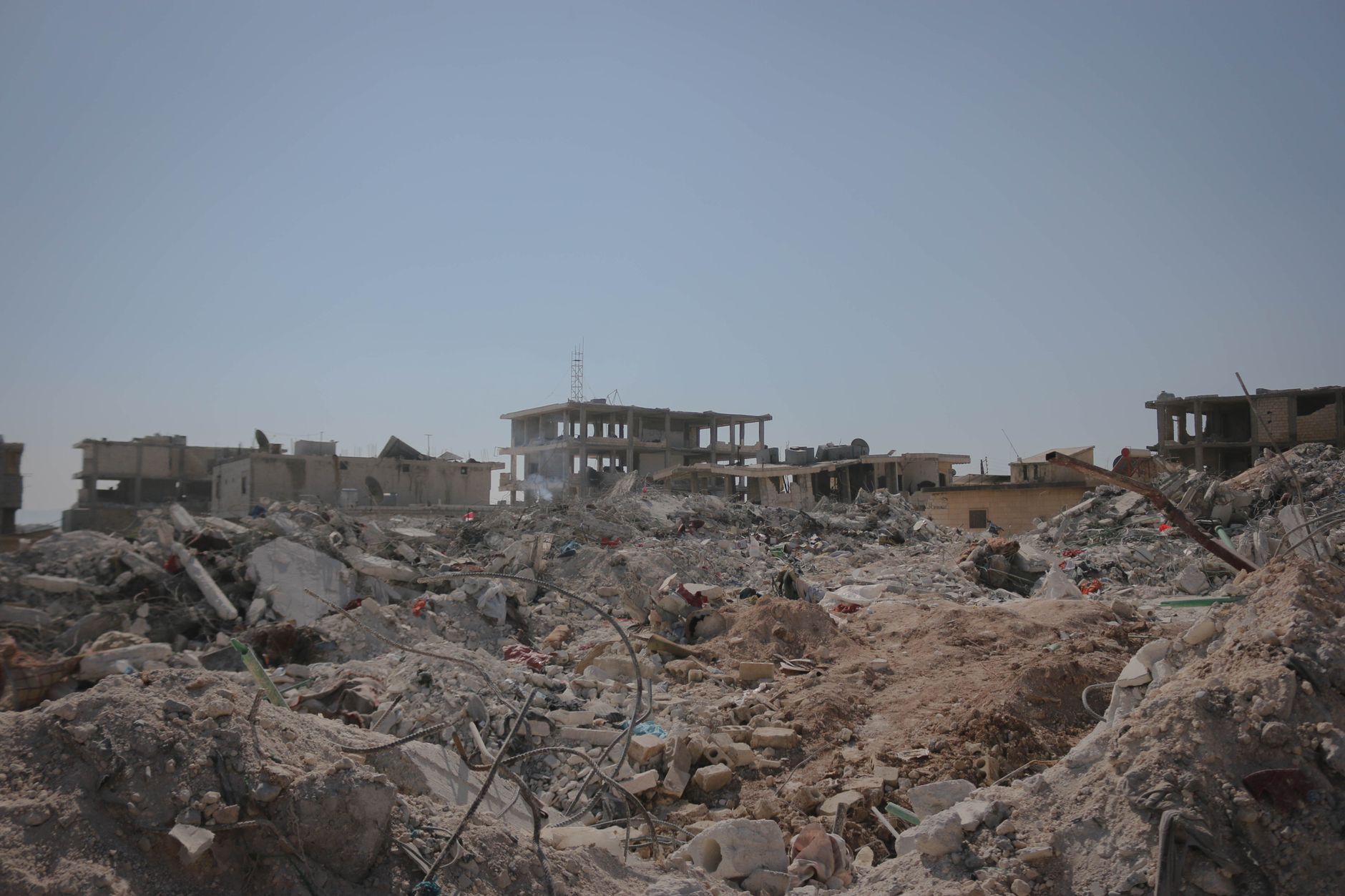
Iran's Islamic Revolutionary Guard Corps (IRGC) announced it launched an attack on a US special operations command center at al-Tanf in Syria, escalating tensions in the region. The strike, carried out in retaliation for the killing of Iranian soldiers in Iranshahr, marks a significant direct confrontation between Iranian forces and the United States military. The IRGC also declared full control over the Strait of Hormuz, threatening to block oil and gas exports through the strategic waterway as long as US attacks continue.
Attack on al-Tanf Base
The al-Tanf garrison, located in southeastern Syria near the borders with Iraq and Jordan, has been a focal point of US-led coalition operations against ISIS. The base houses a small contingent of US special operations forces and serves as a training hub for Syrian opposition fighters. According to a statement carried by Iran's Tasnim news agency, the IRGC said the attack was a direct response to the killing of its soldiers in Iranshahr, a city in southeastern Iran where a militant attack earlier this month killed at least 11 security personnel. The IRGC did not provide details on the nature or scale of the strike, but the claim signals a new phase in Iran's willingness to target US assets openly. Analysts note that while Iran has previously used proxy forces to harass US positions in Syria, a direct claim of responsibility by the IRGC is unusual and suggests a calculated escalation.

Control of the Strait of Hormuz
In a parallel announcement, the IRGC asserted it has full control over the Strait of Hormuz, a narrow chokepoint between the Persian Gulf and the Gulf of Oman through which about 20% of the world's oil passes. The IRGC warned that no oil or gas would be exported via the strait for as long as US attacks continued. This threat echoes past Iranian rhetoric about closing the strait in response to sanctions or military pressure, but it is the first time the IRGC has explicitly tied such an action to an ongoing conflict in Syria. The Strait of Hormuz is critical to global energy markets; any disruption could send oil prices soaring and trigger economic instability. Iran has invested heavily in anti-ship missiles, naval mines, and fast-attack boats to threaten shipping in the area. While experts doubt Iran could sustain a full blockade, even a temporary closure would have severe consequences.
Implications and Next Steps
The twin announcements represent a stark challenge to US military presence in the Middle East and to the free flow of energy. The Biden administration has yet to respond officially, but the Pentagon has emphasized its commitment to protecting allies and maintaining freedom of navigation. The attack on al-Tanf, combined with the Strait of Hormuz threat, raises the risk of a direct US-Iran military confrontation. Diplomatic efforts, including indirect talks over Iran's nuclear program, may be jeopardized. Meanwhile, regional allies such as Saudi Arabia and the United Arab Emirates, which rely on the strait for oil exports, are likely to urge de-escalation. The coming days will be critical in determining whether this is a one-off retaliatory strike or the beginning of a broader campaign by Iran to challenge US interests across the region. Markets are already reacting with volatility, and global energy security hangs in the balance.