Bhiwandi building collapse death toll rises to 9 as NDRF searches
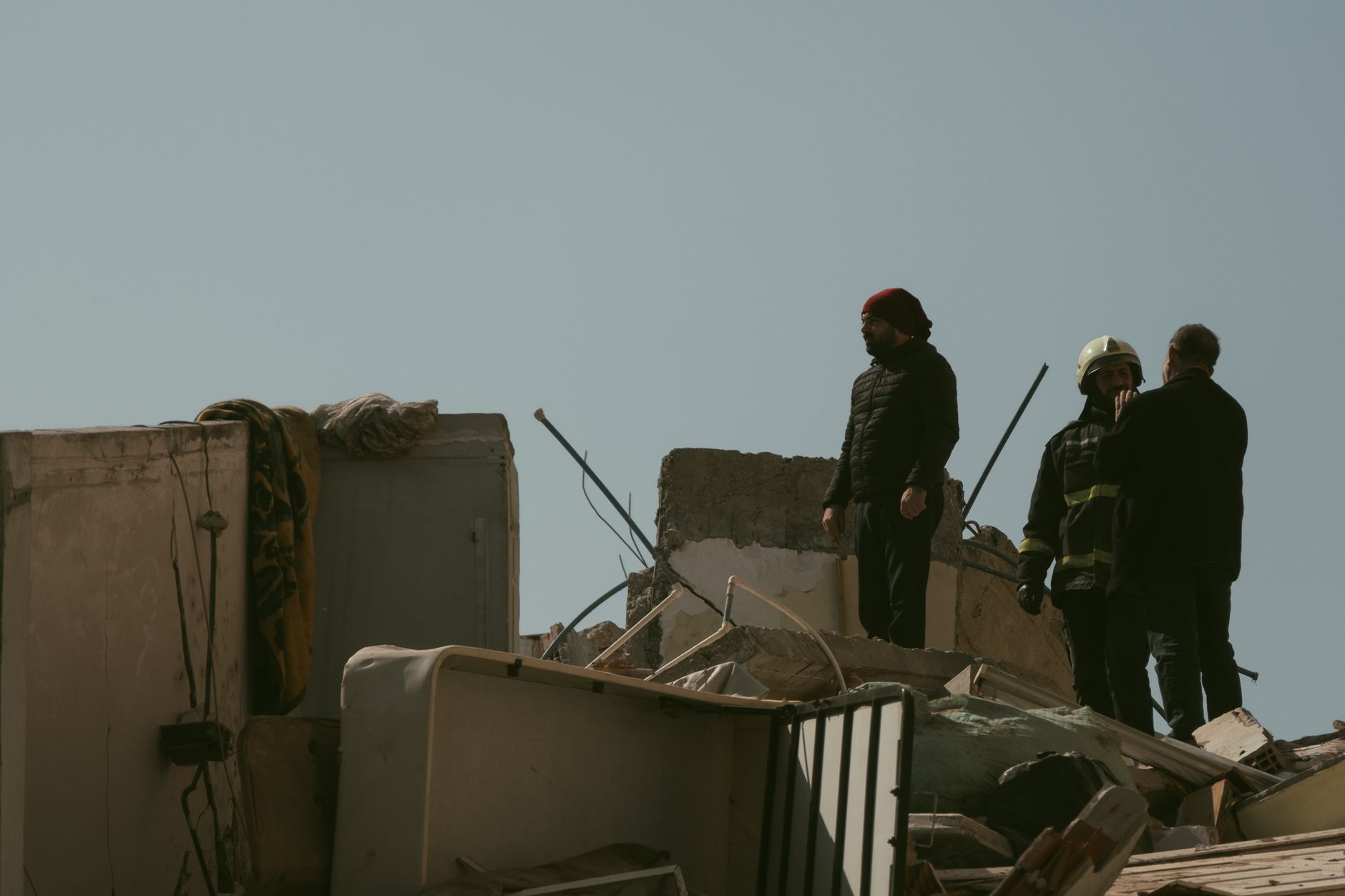
A four-storey building collapsed in Bhiwandi late Thursday, killing at least nine. NDRF teams continue to dig through the rubble for survivors.
A building that stood four storeys high partially collapsed late on Thursday night in Bhiwandi, a crowded textile hub in Maharashtra's Thane district, killing at least nine people and triggering an urgent rescue operation by the National Disaster Response Force (NDRF). The collapse struck as many residents were likely asleep, turning an ordinary night into a desperate race against time.
Rescue teams battle rubble as death toll climbs
The NDRF, which specialises in urban search and rescue, was deployed to the site and continued its operation into Friday. Rescuers spent hours cutting through twisted metal and lifting chunks of concrete in the hope of finding survivors. Local police, fire brigade personnel and medical teams also rushed to the spot, working alongside the NDRF to clear the debris.
By the time the sun came up, at least nine bodies had been recovered, according to officials on site. The exact number of people still missing or trapped was not immediately clear, but the scale of the response suggested that authorities feared more casualties. The partially collapsed structure left large sections of the building unstable, forcing teams to move cautiously to avoid causing further damage.
Bhiwandi: A city familiar with building failures
Bhiwandi, located about 50 kilometres from Mumbai, is known for its power looms and dense residential settlements. The city grew rapidly over the decades, and much of its housing stock is old, cramped and poorly maintained. Building collapses in the region are not uncommon, particularly during the monsoon season when rain-saturated soil and water seepage weaken already fragile structures.
Thursday night's incident has renewed attention on the safety of residential buildings in and around Mumbai. Many structures date back decades and have never undergone a proper structural audit. Even minor repairs are often neglected, leaving residents at the mercy of a deteriorating building.
Monsoon rains and old buildings: A deadly combination
The collapse comes in the middle of the annual monsoon, which typically lasts from June to September in Maharashtra. Heavy rains lash the area, turning narrow lanes into waterlogged passages and adding immense pressure to old foundations. Leaks from roofs and walls further erode the integrity of buildings that were never designed to withstand such conditions.
In Bhiwandi, where many homes are located in congested clusters, the risk multiplies. A failure in one structure can affect neighbouring buildings, making rescue operations even more complicated. The lack of open space also hampers the movement of cranes and other heavy machinery, forcing rescuers to rely largely on manual labour.
Investigation and the road ahead
While rescue operations remain the immediate priority, questions are already being asked about how this collapse could have been prevented. An official inquiry is expected to examine the building's age, the quality of its construction and whether local authorities had issued any warnings or repair notices.
In the longer term, this tragedy highlights the urgent need for a comprehensive safety audit of old and vulnerable buildings across Bhiwandi and the wider Mumbai region. Identifying at-risk structures and evacuating residents before a disaster strikes is far better than picking up the pieces afterwards. For the families of those who lost their lives, that lesson comes too late.