Australia news LIVE: Oil prices hit $100 for first time in months; Trump hikes tariffs on Australian products to 12.5 per cent
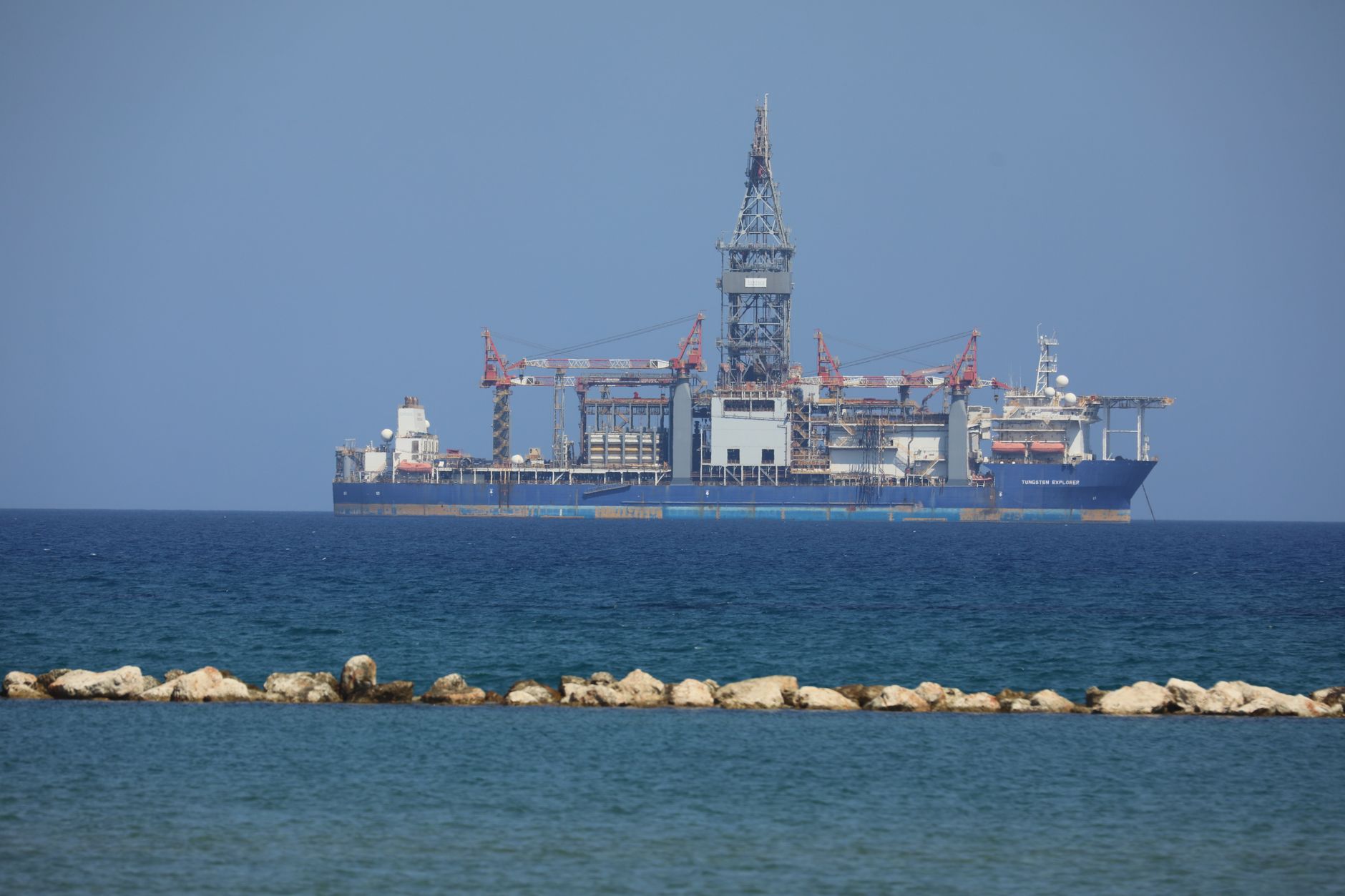
Oil surges past $100 after Houthi attacks on Saudi tankers; US raises tariffs on Australian goods to 12.5%, citing human rights concerns.
Australia faced a double dose of economic and geopolitical shocks on Friday as global oil prices breached $US100 a barrel for the first time in months and the United States announced a hike in tariffs on Australian products to 12.5 per cent. The developments underscore the volatile international landscape affecting Australian consumers and exporters alike.
Oil prices surge past $100
Crude oil prices jumped above $US100 ($143) a barrel on Friday, reaching levels not seen since the last phase of the Iran war. The spike followed attacks by Houthi rebels on two Saudi oil tankers in the Red Sea, heightening fears of supply disruptions in a key shipping lane. The U.S. military also reported completing its 13th consecutive night of strikes against Iran, further fanning tensions in the Middle East. For Australia, a net importer of oil, the price rise is expected to flow through to petrol pumps, adding to inflationary pressures already weighing on households.

US tariffs on Australian goods rise to 12.5%
In a separate blow, the United States announced it will increase tariffs on a range of Australian products from 10 per cent to 12.5 per cent, citing human rights concerns. The move, framed by Washington as a measure to address labor and environmental standards, has been met with disappointment in Canberra. Trade officials are assessing the impact on key exports such as meat, wine, and agricultural commodities. The tariff hike comes amid a broader reshaping of global trade alliances and could prompt Australia to accelerate diversification of its export markets.
Other developments in brief
In domestic politics, the government scrapped its Climate Active certification scheme after it was labelled “greenwashing” for big polluters by lobby groups. The scheme had allowed companies to claim carbon neutrality based on offsets, but critics argued it lacked rigor. Meanwhile, on the AUKUS front, a top Pentagon official revealed that billions of dollars of additional funding for the US defence industrial base have not improved the production rate of Virginia-class submarines, casting doubt on whether Australia will receive its nuclear-powered submarines on schedule. In environmental news, a dead seabird found on an island in Moreton Bay, Queensland, tested positive for bird flu; the CSIRO is conducting further tests to confirm the strain. Internationally, more than 20,000 people are fleeing a wildfire in southern France, the latest in a string of European summer blazes. And the 2026 Commonwealth Games officially commenced in Glasgow with an opening ceremony featuring King Charles and Queen Camilla emerging from a Doctor Who Tardis.
Looking ahead
The oil price surge and tariff escalation are likely to dominate economic discussions in the coming weeks. The Australian government is expected to monitor fuel prices closely and may consider releasing strategic reserves if needed. On trade, negotiations with the US are anticipated to continue, though the immediate outlook for Australian exporters remains uncertain. With global tensions simmering and domestic challenges mounting, the resilience of Australia’s economy will be tested.