TGA Warns of Rare Eye Disorder Risk from Ozempic, Wegovy, Mounjaro
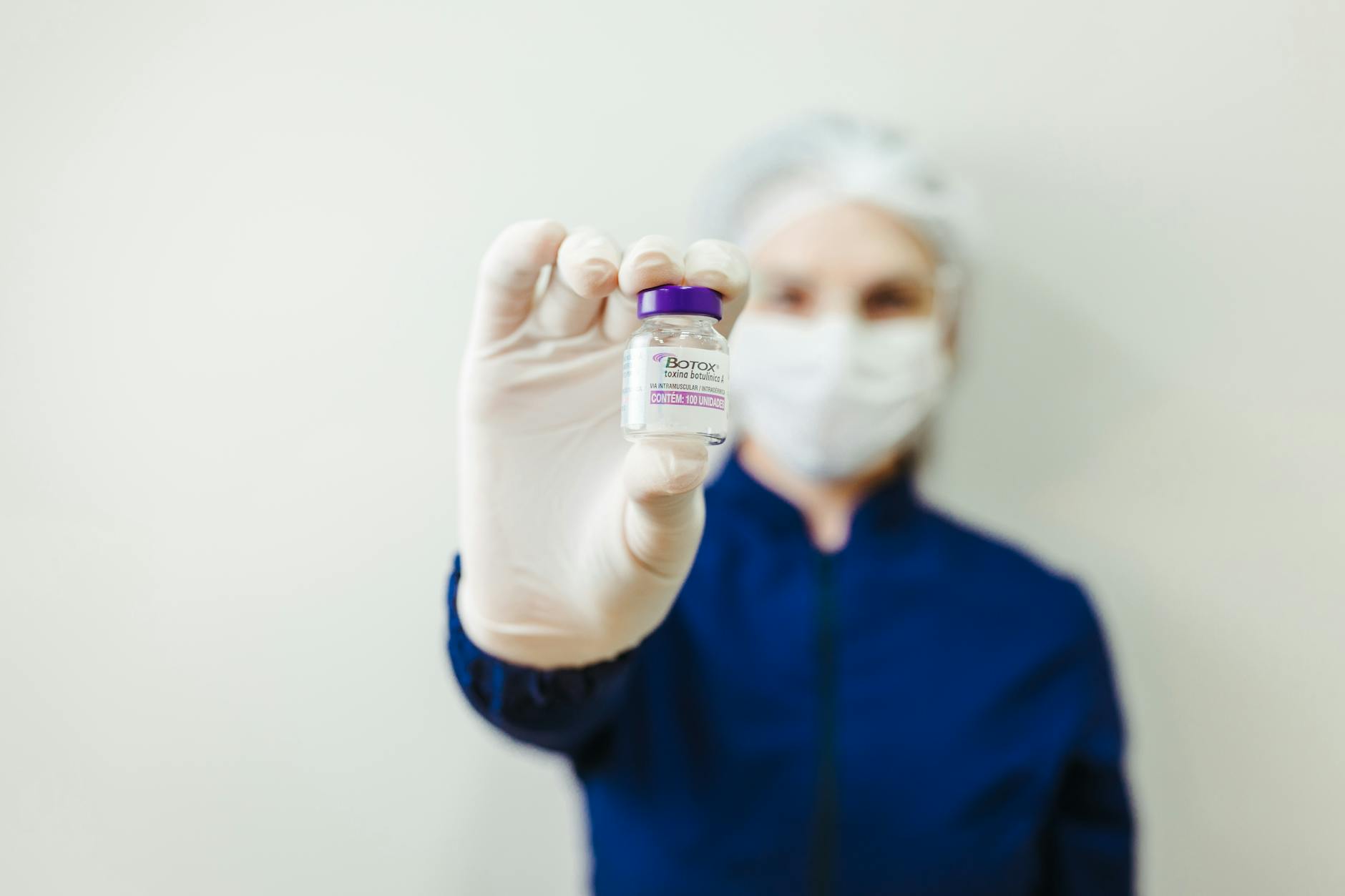
Australia's TGA warns Ozempic, Wegovy, Mounjaro may cause rare eye disorder NAION leading to permanent vision loss. 36 cases reported.
Australia’s Therapeutic Goods Administration (TGA) has issued a safety alert for a class of type 2 diabetes and obesity drugs, warning they may trigger a rare but severe eye condition that can result in permanent vision impairment. The regulator flagged 36 reported cases of non-arteritic anterior ischaemic optic neuropathy (NAION) linked to GLP-1 receptor agonists, which are marketed under brand names including Ozempic, Wegovy, and Mounjaro.
Understanding NAION: A Rare but Serious Eye Condition
NAION is a condition that affects the optic nerve, causing sudden vision loss, often in one eye. It occurs when blood flow to the optic nerve is reduced, leading to damage that is typically irreversible. The TGA emphasized that there are currently no treatments available to reverse the vision loss once it occurs. Patients who experience sudden vision changes, including partial loss, are urged to seek immediate medical attention.
Which Drugs Are Affected?
The warning applies to the entire class of GLP-1 receptor agonists, which are increasingly prescribed for weight management and blood sugar control. In Australia, the most commonly used drugs in this class are semaglutide (Ozempic and Wegovy) and tirzepatide (Mounjaro). The TGA has updated product information documents for these medications to reflect the newly identified risk. However, the regulator noted that the absolute risk remains low, and the benefits of the drugs for managing chronic conditions continue to outweigh the risks for most patients.
What Patients Should Do
The TGA advises patients currently taking these medications not to stop without consulting their doctor. Anyone experiencing symptoms such as sudden vision loss or blurring should seek urgent medical care. Healthcare professionals are also reminded to inform patients about this potential side effect and to monitor for any visual complaints during treatment.

Broader Context: The Popularity of GLP-1 Drugs
GLP-1 drugs have become blockbuster treatments for obesity and diabetes, with prescriptions soaring worldwide. Their effectiveness in weight loss has led to high demand, but also to increased scrutiny of potential side effects. The TGA's action follows similar warnings by other regulatory bodies, including the US Food and Drug Administration, which has also received reports of NAION associated with these drugs.
The TGA says it will continue to monitor the situation closely and may update guidance as more evidence emerges. For now, the regulator stresses the importance of vigilance, especially for patients with pre-existing risk factors for optic neuropathy, such as hypertension or sleep apnea.