AusAlert test: National emergency siren to blast phones Monday at 2pm
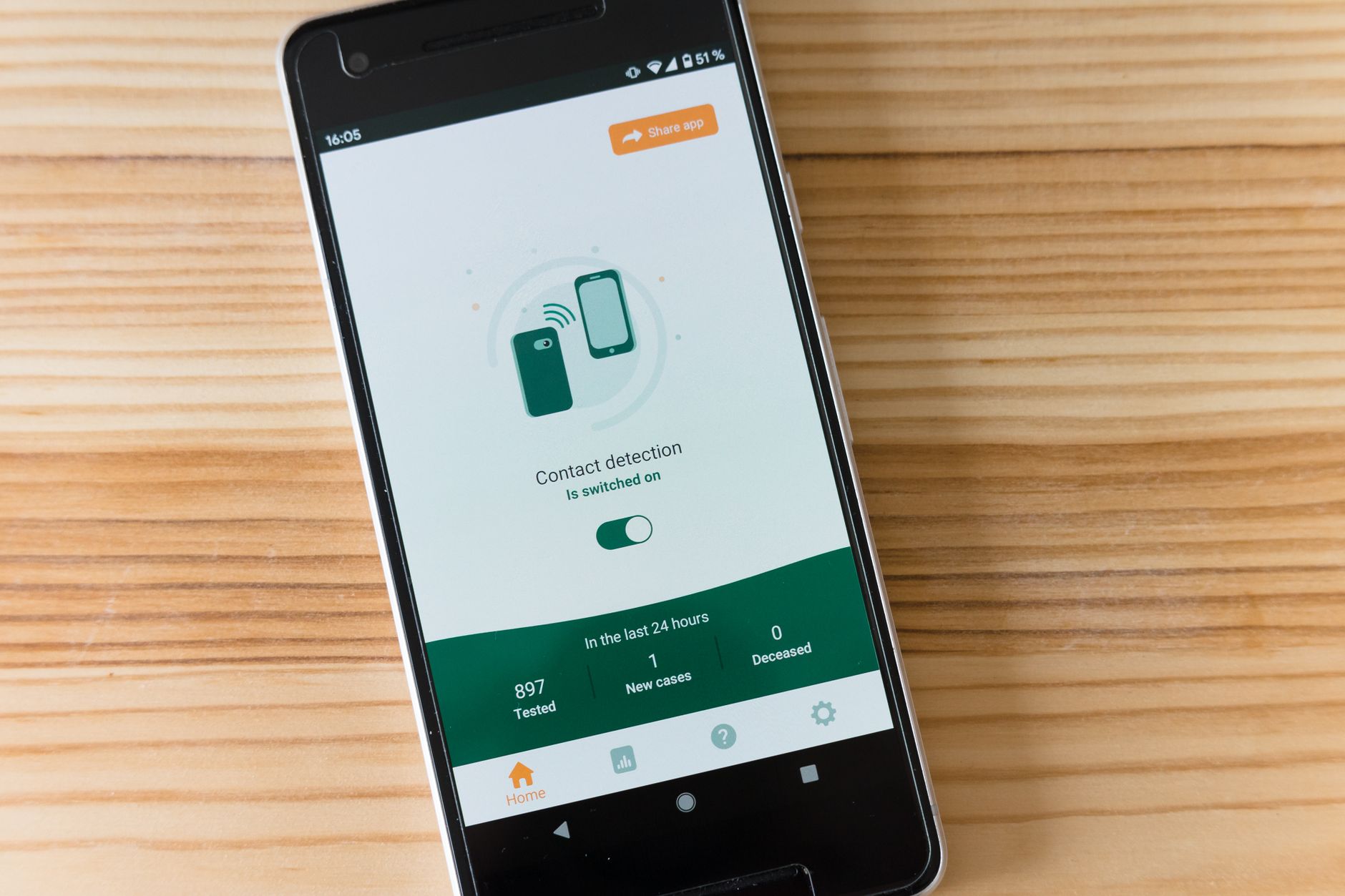
Australia’s first nationwide emergency alert test will blare sirens on millions of phones Monday. Here’s what you need to know about the new system.
On Monday 27 July 2026, at 2pm AEST, virtually every mobile phone, smartwatch, and tablet in Australia will erupt with a 10-second siren and a pop-up notification. This is the first nationwide test of AusAlert, a new emergency warning system designed to alert the public during disasters such as bushfires, floods, terrorist incidents, and health emergencies. The test, coordinated by the National Emergency Management Agency (Nema), aims to prepare Australians for real alerts that will begin in October.
What is AusAlert?
AusAlert replaces the existing SMS-based emergency alert system, which has faced criticism for delays and unreliability. The new system uses mobile phone towers to broadcast messages directly to all compatible devices in a targeted area, bypassing individual networks and avoiding congestion. It stems from a recommendation of the royal commission into the 2019-20 black summer bushfires, which found that many people did not receive timely warnings. Federal Emergency Management Minister Kristy McBain, whose electorate of Eden-Monaro was heavily affected by those fires, called AusAlert “far superior” to the current system, saying it will reach more people faster.
How will the test work?
At 2pm AEST on Monday, a siren will sound for about 10 seconds on most phones, as well as some smartwatches and tablets. The alert cannot be silenced, even if the device is on “do not disturb” or silent mode. The pop-up notification will vary by device but will include the words “TEST MESSAGE” and “NO ACTION IS REQUIRED.” Pat Hetherington, interim coordinator general at Nema, said the siren will be “loud enough to get people’s attention” but quieter than a fire alarm. The test will occur simultaneously across the country, with local times adjusted: 2pm for New South Wales, Victoria, the ACT, Queensland, and Tasmania; and 1:30pm for South Australia and the Northern Territory.
Concerns and considerations
While the system promises better coverage, domestic violence advocates have warned that the unavoidable alert could pose risks to women and children in abusive situations who may have hidden phones. They advise people in such circumstances to turn off their devices or remove the battery before the test. Additionally, questions remain about regional access, as some remote areas may still have limited mobile reception. Minister McBain acknowledged that during the black summer fires, some residents in Eden-Monaro missed alerts because their phone provider was unavailable. The new system’s “geofenced” capability will allow alerts for specific locations, such as flood zones or boil-water advisories, but its success depends on infrastructure reach.
What comes next?
Monday’s test is a precursor to the full national launch of AusAlert in October 2026. Nema will evaluate the test’s effectiveness, including how many devices received the alert and how quickly they responded. If successful, AusAlert will become the standard for emergency warnings, replacing the patchwork of local SMS systems. The government hopes it will significantly reduce the number of people caught unaware by future disasters, ultimately saving lives. For now, Australians are encouraged to ensure their devices are turned on and ready to receive the test alert—unless there is a safety reason not to.