Ethiopia’s plan for Sudanese refugees: model for humanity’s migration issue?
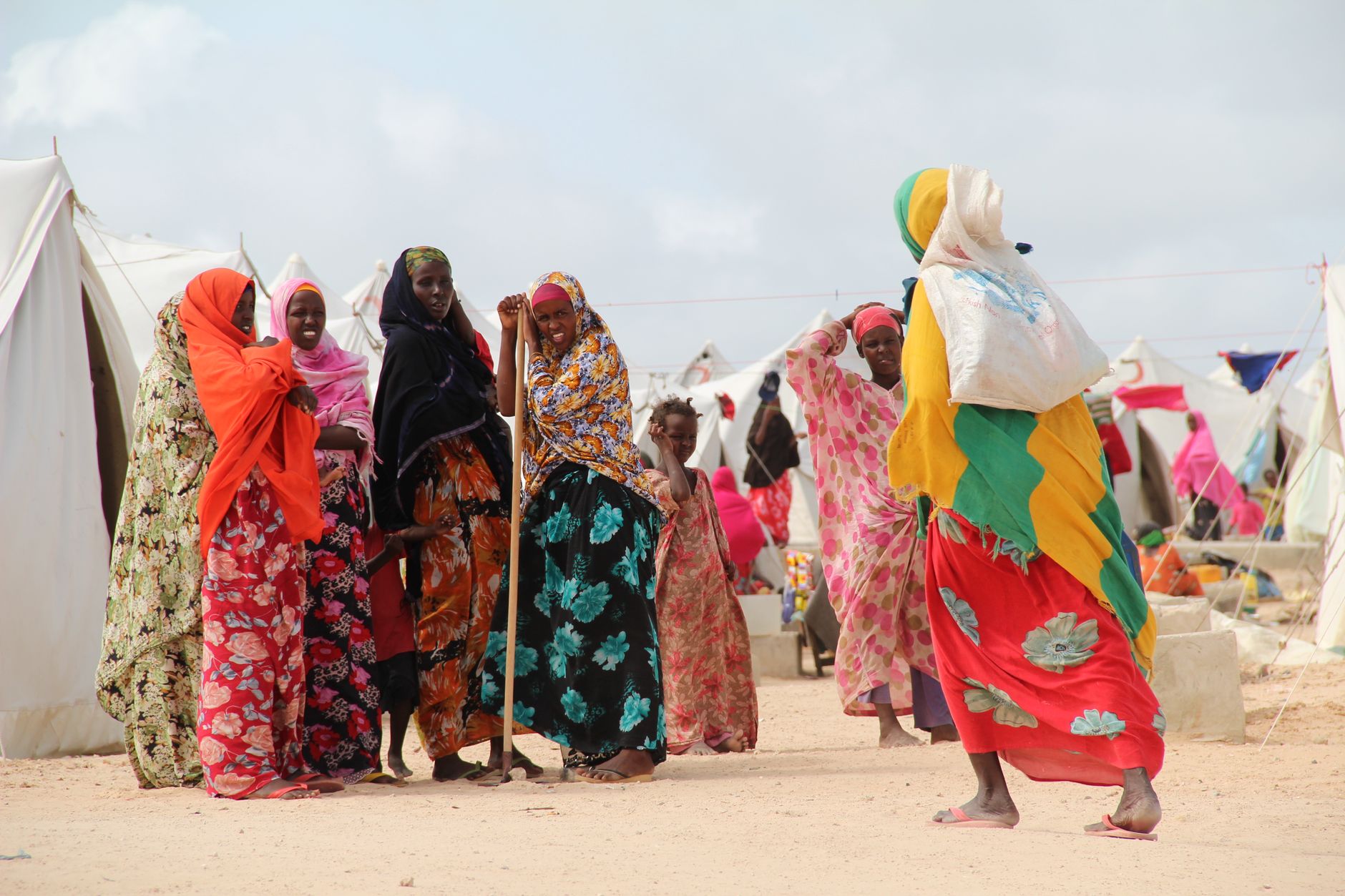
As Sudan's war spills into neighboring countries, Ethiopia proposes education and employment for refugees. Could this be a blueprint for global migration crises?
For two days, 65-year-old Rahmatalla Abdeen clung to the back of a moped, fleeing through territory controlled by Sudan’s Rapid Support Forces (RSF). He crossed into Ethiopia on May 17, 2024, the last known refugee to make that journey, seeking safety after 883 days separated from his family. His story reflects a broader crisis: Sudan’s civil war is increasingly destabilizing the entire Horn of Africa, pushing millions across borders and forcing host nations to rethink their approach to displacement.
A refugee camp within sight of the RSF
In western Ethiopia, the Ura refugee camp houses 14,500 Sudanese who have escaped RSF violence. The camp lies just 10 miles from an RSF training base that has emerged at an Ethiopian military facility near Asosa. Refugees live in constant fear that the militiamen who terrorized them at home will hunt them down here. Khadijah Ahmed, who fled Khartoum two and a half years ago, recalls the RSF’s chilling promise: “We will follow you, wherever you go.” Her two sons sleep under their beds, the same position they adopted under RSF rule. “They are so close to us here. We are in a very dangerous situation,” she says.
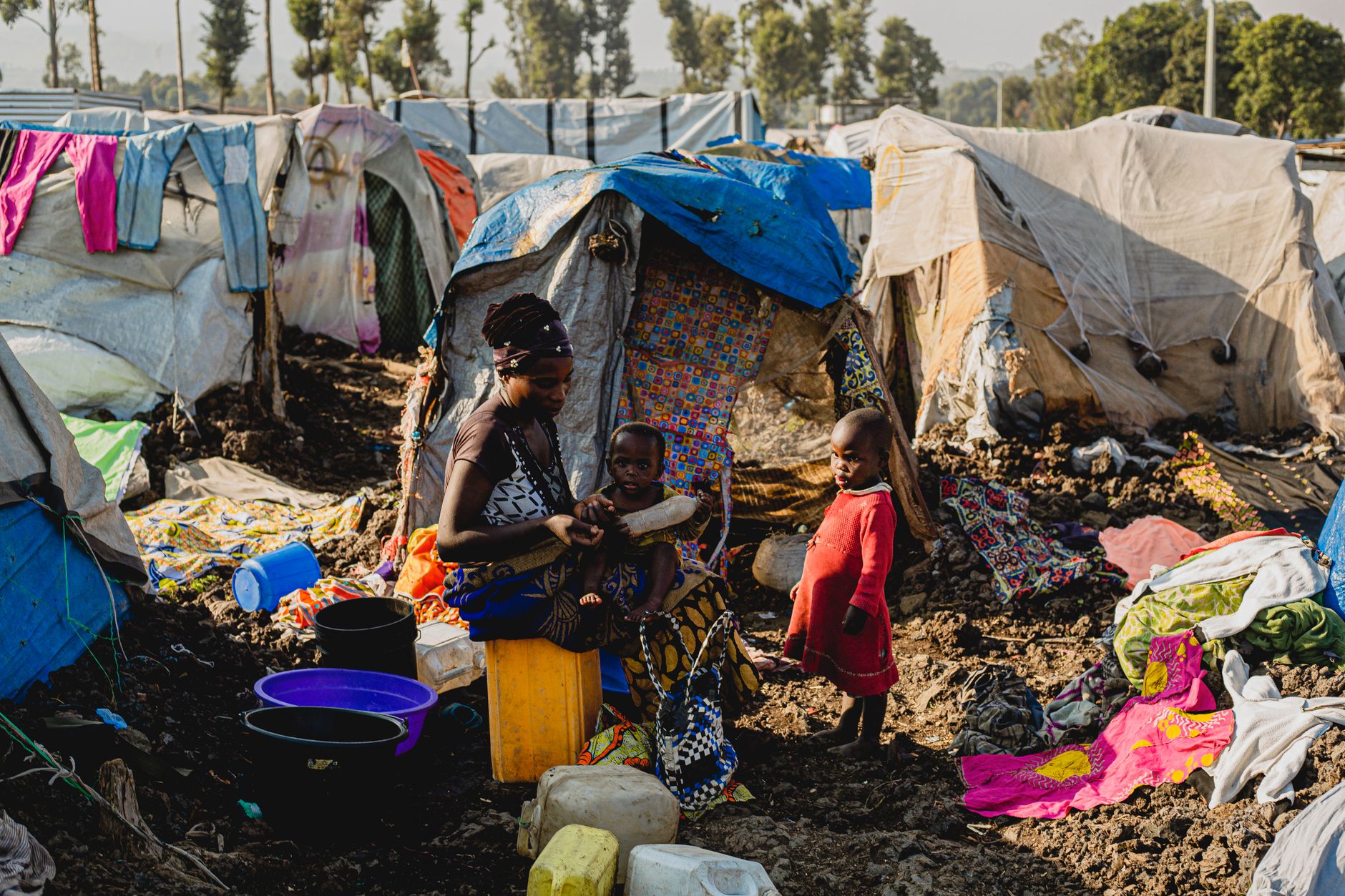
Ethiopia’s volatile balancing act
Ethiopia, Africa’s second most populous nation, is itself teetering on the brink. Prime Minister Abiy Ahmed won another election in June 2024, but experts warn his term could be defined by renewed conflicts: a possible resumption of civil war with Tigray, a push for Red Sea port access via Eritrea, and growing entanglement in Sudan’s war. A worst-case scenario could see the Sudanese military ally with Tigrayan separatists, Eritrea, and Egypt—Ethiopia’s historic rival—against the RSF, pulling Ethiopia into a regional firestorm. Against this backdrop, Ethiopia is trying to turn its refugee crisis into an opportunity.
An education-and-employment model
Ethiopia has long hosted refugees from across the region, but this new influx is different. The government, with UN support, is now offering Sudanese refugees access to education and the right to work—an approach that officials argue could serve as a global model. The idea is to move beyond temporary shelter and instead integrate refugees into the economy, reducing dependence on aid and fostering self-reliance. If successful, the plan could reshape how countries worldwide manage mass displacement, especially in conflict zones where return is not imminent.

Uncertain future for refugees and the region
Despite the promise of the plan, refugees remain skeptical. Dawud Suliman, 31, lost 25 family members in the Darfur town of Zalingei during an RSF offensive in 2024. He now fears the RSF will track his remaining relatives inside Ethiopia. Residents say militia members have already entered the camp, possibly compiling kill lists for the nearby base. “We are scared they will report back,” says Hamza Al Bashir, 52. For Ethiopia, the success of its model hinges not only on implementation but also on containing the very conflict that drives refugees across its border. As Sudan’s war metastasizes, the world watches whether this small experiment in human dignity can survive the chaos around it.