Enemigos Íntimos: Argentina and Spain in Historic World Cup Final
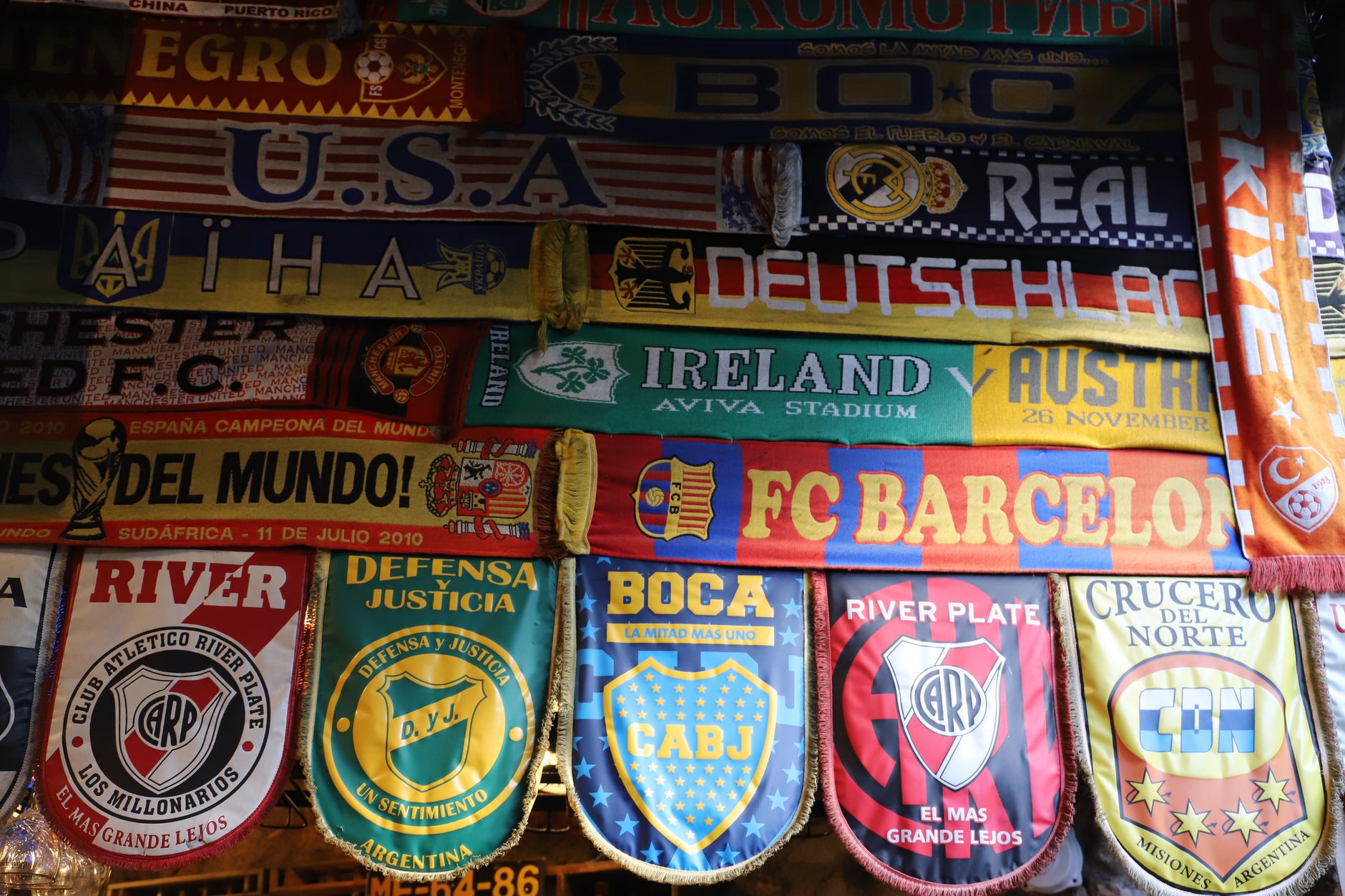
Argentina and Spain meet in a historic World Cup final, the first between the Copa América and Euro champions. With deep cultural ties and recent glory, this showdown is unprecedented.
This Sunday, the football world will witness an unprecedented spectacle: a World Cup final between Argentina and Spain for the first time in history. The match goes beyond the pitch, as two nations bound by language, migration, and a shared love for the game collide in what promises to be a defining moment for both sides. Never before have the Copa América and European Championship winners faced off for the ultimate prize, making this final a unique chapter in the sport's annals.
A Shared History, a New Rivalry
Argentina and Spain are more than opponents; they are "enemigos íntimos"—intimate enemies—as captured by the 1998 album by Argentine Fito Páez and Spaniard Joaquín Sabina. The ties between the two countries run deep, shaped by massive Spanish migration to Argentina in the late 19th and early 20th centuries. That legacy is visible in the Argentine squad, which features players named Martínez, Álvarez, Fernández, González, and López, among others. Spanish football, too, has been profoundly influenced by Argentine talent, most notably Lionel Messi, whose legendary career unfolded largely in La Liga.
Despite these connections, the World Cup history between the two is remarkably sparse. Their only official tournament meeting came in the 1966 World Cup group stage, where Argentina triumphed 2–1. In total, they have played 14 matches, with six wins each and two draws. Their most recent encounter, a friendly in Madrid in March 2018, ended in a resounding 6–1 victory for Spain—a result that still stings for the Albiceleste.
Contrasting Paths to Glory
Both teams arrive at this final on the back of extraordinary recent achievements. Spain's golden generation—Iniesta, Xavi, Casillas, and Ramos—delivered a World Cup in 2010 along with consecutive European Championships in 2008 and 2012. This current Spain side, the reigning Euro champion after beating England in 2022, looks to add a second World Cup to its trophy cabinet.
Argentina, meanwhile, has enjoyed its own renaissance under Lionel Scaloni. After winning the Copa América in 2021 and 2024, the team captured the World Cup in Qatar 2022, cementing its status as the world's best. Argentina enters the final ranked No. 1 in the FIFA rankings, with Spain at No. 2. This is the first World Cup final since the rankings began in 1992 to feature the top two nations.
What a Victory Would Mean
The stakes could hardly be higher. If Spain wins, it will become only the fourth team to hold both the World Cup and European Championship simultaneously, a feat previously achieved by West Germany, France, and Spain itself in 2010. A victory for Argentina would place it in an even more exclusive club: the third nation to win back-to-back World Cups, following Italy (1934 and 1938) and Brazil (1958 and 1962).
There is also the matter of the abandoned Finalissima—the match between the Copa América and Euro champions—that was scheduled for early 2024 but never played. This final effectively serves as a stand-in, settling the debate on which champion reigns supreme.

Looking Ahead
As the teams take the field in the United States, they carry not only their own aspirations but also the weight of history and culture. For the second time in World Cup history, both sets of players and fans will share the same language—a reminder of the deep roots connecting these footballing powerhouses. The outcome will be remembered for generations, whether it cements Argentina's dynasty or heralds Spain's return to the summit. One thing is certain: this final between "enemigos íntimos" will be a match like no other.