Araghchi: Seizing Iran’s assets sets 'incendiary precedent'
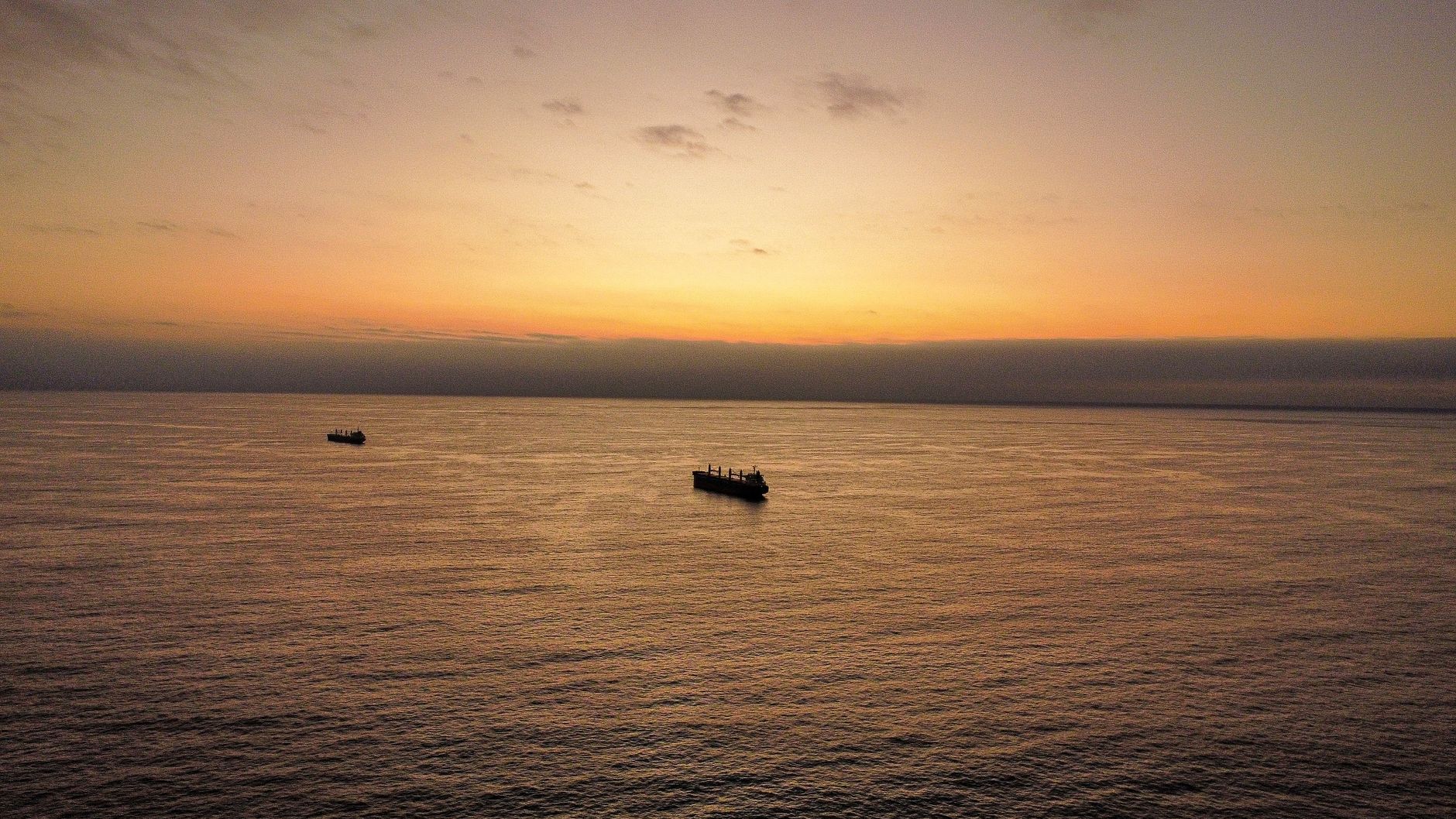
Iranian FM warns Trump's plan to use frozen assets for Strait of Hormuz claims could trigger global chaos.
Iranian Foreign Minister Abbas Araghchi on Thursday sharply condemned a recent US proposal to use Iranian state assets to cover potential future damages in the Strait of Hormuz, calling the plan an “incendiary precedent” that could destabilize international financial norms.
Trump’s Threat over Strait of Hormuz
Earlier this week, US President Donald Trump stated that he would tap Iranian funds held abroad to compensate for any harm inflicted on vessels in the strategic waterway. The Strait of Hormuz, a chokepoint for about 20% of global oil transit, has seen heightened tensions between Tehran and Washington. Trump’s remarks came amid ongoing disputes over maritime security and Iran’s nuclear program.

Araghchi’s Warning: A Global Risk
In a post on X, Araghchi warned that seizing a foreign country’s frozen assets to pay for unrelated future claims could spark widespread upheaval. “Those who celebrate or profit from such funds should remember: once governments normalize confiscation, no one's assets are safe. Ensuing chaos will not be pretty or peaceful,” he wrote. The foreign minister emphasized that such actions would set a dangerous standard, encouraging other nations to similarly expropriate assets without legal basis.
Legal and Financial Implications
International law generally bars the seizure of sovereign assets except under strict circumstances, such as UN sanctions or court orders following arbitration. Legal experts note that Washington’s unilateral move could undermine the principle of state immunity, long a cornerstone of global finance. If the US proceeds, other countries might retaliate by impounding American assets, potentially freeze international investment and trade flows.
Broader Context of US-Iran Tensions
The dispute over frozen assets is part of a wider pattern of confrontation. Since Trump’s withdrawal from the 2015 nuclear deal in 2018, the US has reimposed crippling sanctions on Iran, blocking its access to billions of dollars in oil revenues held abroad. Tehran has responded by enriching uranium beyond deal limits and arming proxies in the region. The Strait of Hormuz has frequently been a flashpoint, with Iran periodically seizing or harassing commercial vessels in what it calls rightful policing of its territorial waters.

What’s Next?
Araghchi’s statement signals that Iran will not passively accept the planned seizure. Diplomatic channels remain largely closed, and the risk of escalation is high. Analysts predict that if the US follows through, Iran may respond with legal challenges in international courts or by further restricting navigation through the Strait. The European Union and other stakeholders have urged restraint, fearing that asset confiscation could spiral into a broader financial crisis. For now, the fate of Iran’s frozen funds—and the stability of the global asset regime—hangs in the balance.