Fauci Invokes Fifth as Senate Grills Him on COVID Origins
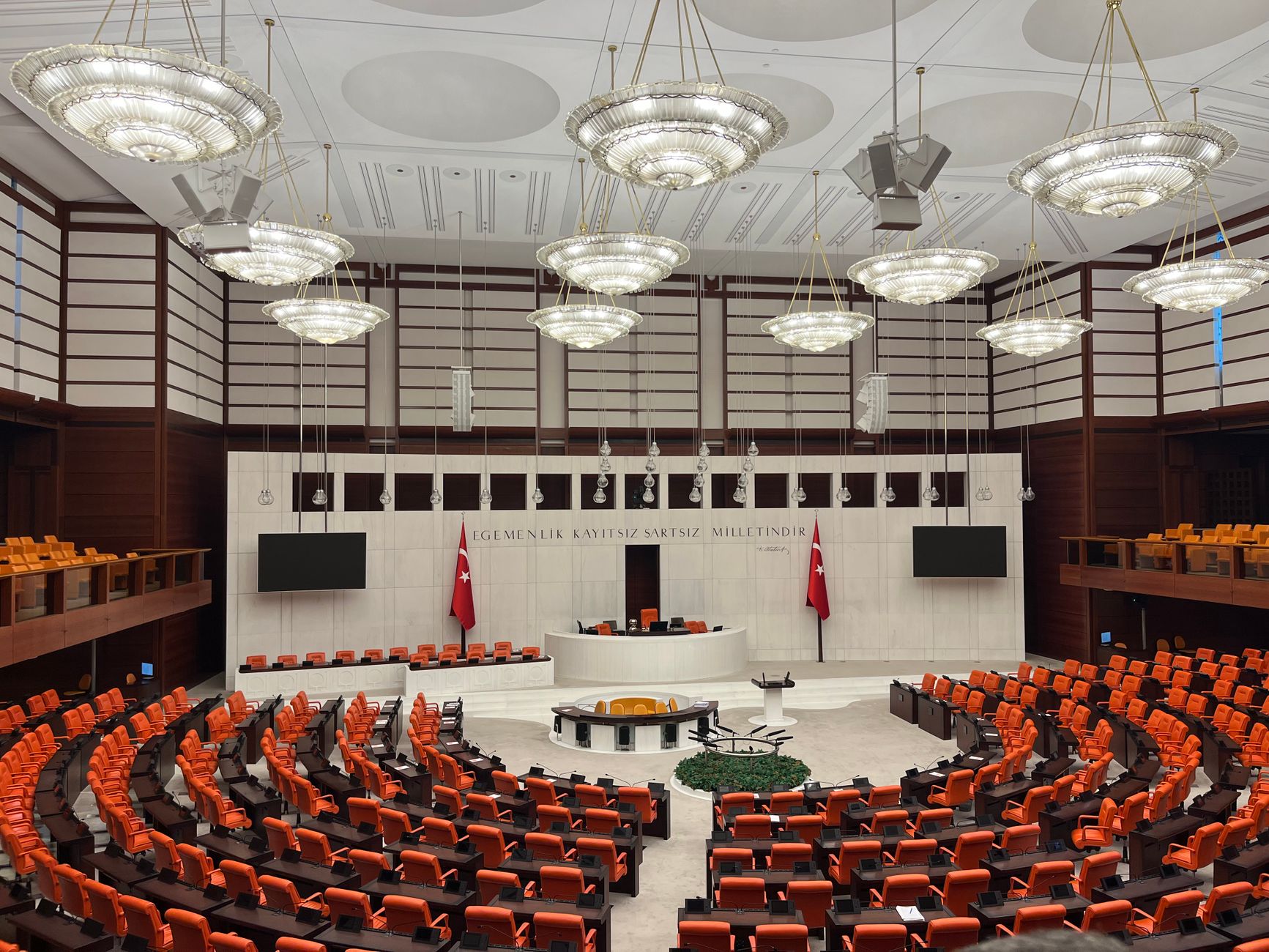
Dr. Anthony Fauci refused to answer questions during a Senate hearing on COVID-19 origins, invoking his Fifth Amendment rights amid accusations from Republicans.
Dr. Anthony Fauci appeared before a Senate committee on Wednesday in a high-stakes hearing that quickly devolved into a political battle over the origins of the COVID-19 pandemic. Chaired by Republican Senator Rand Paul of Kentucky, the session was intended to investigate whether the pandemic began as a laboratory leak from the Wuhan Institute of Virology. Instead, it became a forum for Republican senators to challenge Fauci, a former top government scientist who served as a key adviser to Presidents Trump and Biden. Fauci, who spent 38 years as director of the National Institute of Allergy and Infectious Diseases (Niaid), refused to answer questions, invoking his Fifth Amendment rights against self-incrimination.
The Hearing and the Lab Leak Theory
Senator Paul has long promoted the theory that the COVID-19 pandemic originated from a laboratory leak at the Wuhan Institute of Virology, a view that most virologists consider less likely than a natural spillover from animals to humans. Paul argued that Fauci bore responsibility because the National Institutes of Health (NIH), where Fauci worked, provided a sub-grant to the Wuhan lab. He claimed that if the pandemic was indeed a lab leak, Fauci "could be responsible for this entire pandemic." Fauci's attorneys, however, described Paul's investigation as an "unhinged obsession" aimed at seeing Fauci "behind bars."

Fauci’s Fifth Amendment Stand
Fauci, who testified before Congress at least a dozen times previously, expressed reluctance to invoke the Fifth Amendment but followed his lawyers' advice. "Although it pains me to do so, because of the respect I have for the legislative branch of government and my decades-long record of cooperating with Congress, under the advice of my attorneys I will invoke my right under the fifth amendment of the constitution to refrain from answering your questions," Fauci said. His decision was complicated by a presidential pardon he received from Joe Biden before leaving office. Recent pardons have sparked debate about whether the Fifth Amendment can be invoked when a witness appears before Congress post-pardon. Paul, visibly frustrated, warned Fauci of repercussions, brandishing a copy of a law he claimed compelled testimony. He later told reporters he would call a vote for contempt of Congress next week.
Political Fallout and Scientific Backlash
The hearing drew sharp criticism from the scientific community. A group of 155 scientists published an open letter calling for an end to the "vilification and harassment of many American scientists." The letter dismissed the charges against Fauci as baseless, stating that no credible evidence supports claims that he covered up the origins of COVID-19, bribed other scientists, or that Niaid-funded research sparked the pandemic. The hearing underscored a persistent trend: the politicization of science six years after the pandemic began, with Fauci remaining a political punching bag on the right.

What Comes Next
Senator Paul indicated he would seek a contempt of Congress vote in the committee on homeland security and government affairs, which could lead to legal proceedings if the Justice Department chooses to prosecute. The outcome remains uncertain, but the hearing highlights the deep divide over the pandemic's origins and the ongoing scrutiny of Fauci's role. For many, the session was a stark reminder of how science and public health continue to be weaponized in political arenas.