Fauci refuses to answer questions in tense Senate hearing on Covid origins
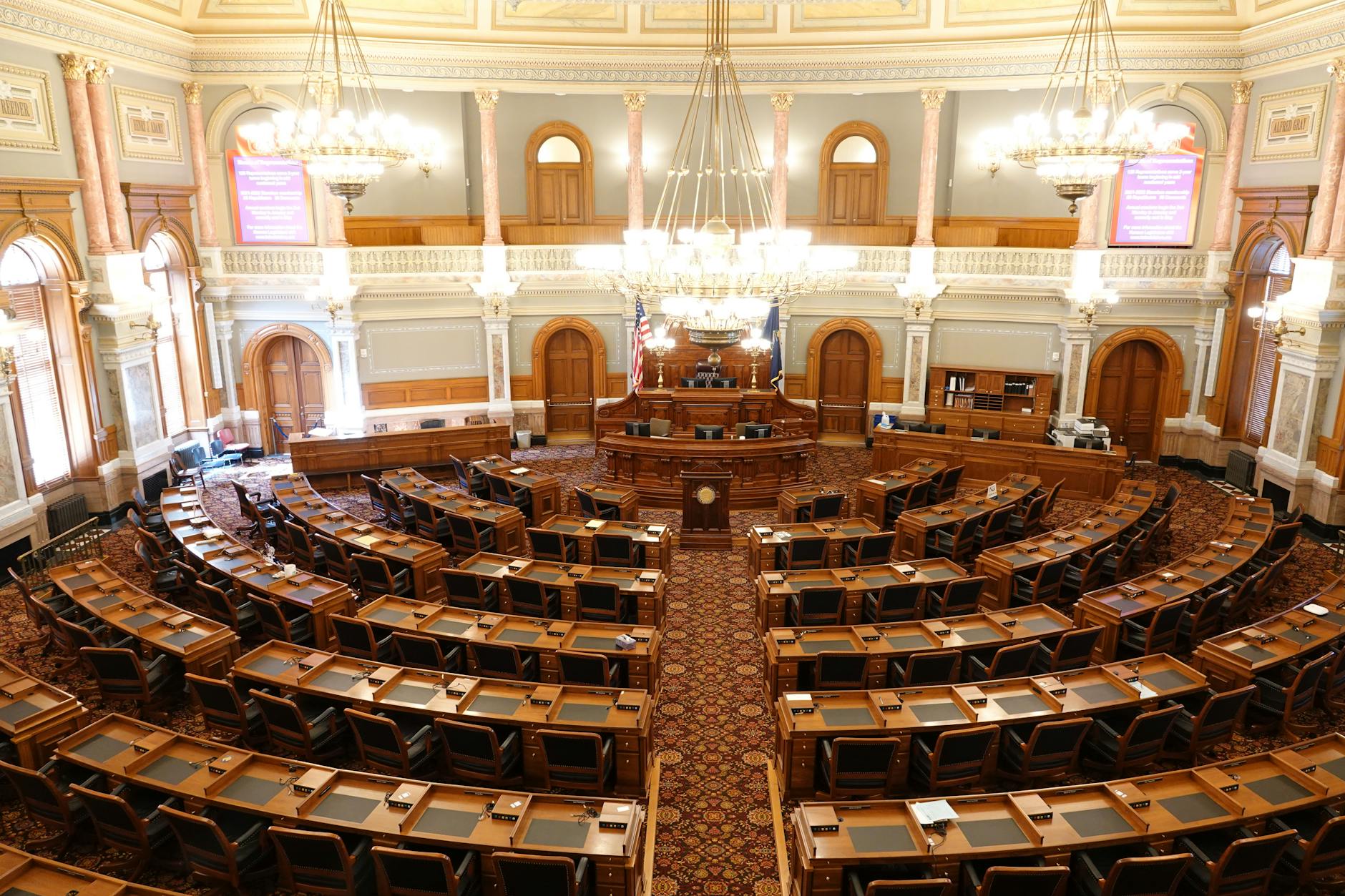
Former top health official Anthony Fauci invoked the Fifth Amendment over 100 times in a contentious Senate hearing, refusing to answer questions about Covid origins. Republicans accuse him of concealing information, while Fauci says he fears prosecution.
Dr. Anthony Fauci, the former director of the National Institute of Allergy and Infectious Diseases, repeatedly invoked his Fifth Amendment right against self-incrimination during a heated Senate hearing on Wednesday, declining to answer questions about the origins of the COVID-19 pandemic. The 85-year-old immunologist, who became a household name during the pandemic, told the Senate Homeland Security Committee that he feared Republican lawmakers were trying to trap him into perjury.
Backdrop of Tension and Allegations
Fauci’s appearance before the committee, chaired by Senator Rand Paul of Kentucky, marked the latest flashpoint in a long-running conflict between the former health official and Republican critics. For years, GOP lawmakers have accused Fauci of misleading the public about the pandemic and concealing information about the virus’s origin. Fauci has consistently denied any wrongdoing, calling the allegations “preposterous” in prior testimony. Despite receiving a preemptive pardon from former President Joe Biden that covers federal offenses between 2014 and 2025, Fauci still faces potential legal exposure for actions after that date, including statements made to Congress.
The hearing took place amid renewed debate over whether SARS-CoV-2 emerged naturally or from a lab leak at the Wuhan Institute of Virology. President Donald Trump, who previously clashed with Fauci over pandemic response, took to social media during the hearing to call Fauci “crazy” and reiterated his belief that the virus originated from the Wuhan lab. Fauci has publicly supported the natural-origin theory but has acknowledged the need for further investigation.

The Hearing: Defiance and Confrontation
In his opening statement, Fauci said he would invoke the Fifth Amendment “under the advice of my attorneys,” citing what he described as Senator Paul’s “obvious obsession” with prosecuting him. “The only conclusion I can reach is that the sole reason he is calling me before this committee is to get me to say something - anything - that could vindicate his repeated public pledges that I end up, in his words, ‘behind bars,’” Fauci declared. He noted that he had previously testified at multiple congressional hearings about COVID-19 and its origins.
Despite Fauci’s refusal to answer, Senator Paul continued his questioning, repeatedly urging Fauci to “apologize.” At one point, Fauci’s attorney, David Schertler, attempted to interject on a legal point and was removed from the hearing room by security. Schertler later called the move “outrageous” and accused Paul of pursuing a “personal vendetta” against Fauci. Paul has long been a vocal critic of Fauci’s pandemic policies and has promoted the lab-leak theory, suggesting that Fauci privately believed the virus came from a lab while publicly stating otherwise.
Legal and Political Ramifications
Invoking the Fifth Amendment is not an admission of guilt but rather a protection against self-incrimination and coercion. However, Fauci’s silence could fuel further scrutiny. Senator Paul announced that the committee would vote next week on a resolution to hold Fauci in contempt of Congress for refusing to answer questions. Such a move would require a full House vote and could lead to legal proceedings, though the Justice Department typically decides whether to pursue prosecution.
The hearing underscored the enduring politicization of the pandemic response in the United States. Shifting public health guidance—which evolved as scientists learned more about the virus—remains a frequent target for Republican critics, who charge that officials like Fauci were inconsistent or dishonest. Fauci has defended those changes as necessary adjustments based on emerging evidence.

What Comes Next
The contempt vote next week could escalate the confrontation between Congress and Fauci, who has already been granted immunity for much of his tenure under Biden’s pardon. Legal experts note that Fauci’s Fifth Amendment stance may complicate any perjury case against him, but the political fallout is likely to persist as the 2026 midterm elections approach. Meanwhile, the search for COVID-19’s origins continues, with no definitive scientific consensus and partisan divisions showing no sign of easing.