Burnham vows to go 'faster' than Starmer – but can he break Britain's gridlock?
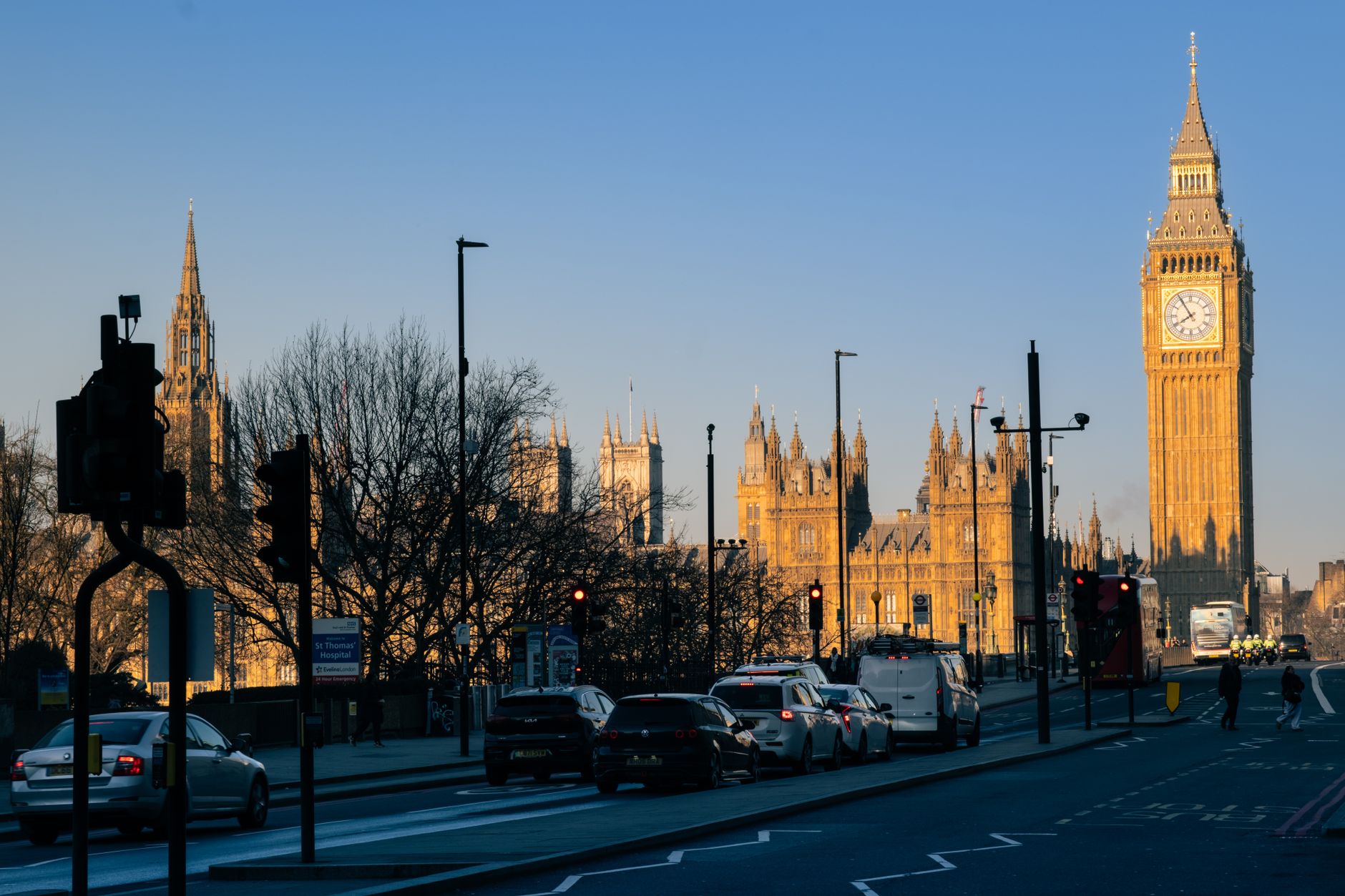
Andy Burnham says he'll deliver change more quickly than Keir Starmer. But as history shows, speed in government often requires an emergency – something Burnham doesn't have.
Andy Burnham has pledged to govern 'faster and bolder' than Keir Starmer, promising a sharper break from the gridlock that has frustrated voters across a decade of political upheaval. But as Starmer himself discovered during his tenure, the machinery of British government can be stubbornly resistant to change – and the conditions that historically enable rapid transformation may be absent.
Starmer's frustration with the speed of government
Keir Starmer, who lasted 18 of his 24 planned months in No 10, often voiced his frustration with the pace of change. He told MPs that the biggest challenge was 'speed and the ability to get things done', blaming successive governments for layering on procedures, bodies and consultations that made reform near-impossible. Yet despite his complaints, critics argued that Starmer himself embodied the caution he decried – a former lawyer reluctant to take risks, what political scientist Francis Fukuyama calls 'procedural fetishism'.

The emergency factor in history
History shows that swift action in British politics has almost always required a crisis. Franklin Roosevelt's first 100 days exploited the Great Depression to push through 15 major laws. In 2008, a government that had dithered over Northern Rock nationalised half the banking system within hours as cashpoints ran dry. The pandemic saw a blitzkrieg of new laws locking down the country and improvising wage subsidies, sweeping aside normally rigid protocols. In each case, the threat of mass death or economic ruin created a window for rapid change.
Burnham's challenge: no crisis, but a different style?
Lisa Nandy predicts that Burnham's administration will be 'faster and bolder' from the start. Unlike Starmer, Burnham is seen as more instinctively political and less procedural. But absent an emergency, can he overcome the inertia that has stalled previous governments? Pollster Julian Gallie of Merlin Strategy notes that voters have been 'crying out for change for a decade,' yet the signals they've sent – from Brexit to Corbyn to Johnson to the 2024 Tory rout – have been inconsistent. The public desire for disruption itself is a constant, but the direction remains unclear.
Risk aversion vs. boldness
Starmer's caution was evident in his handling of crises. When pressed on Israeli war crimes in Gaza, he pointed to slow international legal proceedings rather than taking a stand. In contrast, George Osborne in 2010 deliberately talked up the risk of a Greek-style meltdown to justify deep cuts, imposing them just 46 days after taking office. The difference, analysts suggest, is not just institutional but personal: effective leaders sometimes manufacture a sense of urgency to break through the status quo.
What Burnham's speed pledge means for Britain
Burnham's promise of faster change resonates with a public exhausted by political stagnation. Yet without a precipitating crisis, his government may find itself mired in the same procedural thicket that frustrated Starmer. The coming months will test whether a bolder style alone can accelerate reform – or whether the machinery of state requires a shock that no politician can easily summon.