CJP founder alleges BJP goons infiltrated Jantar Mantar protest
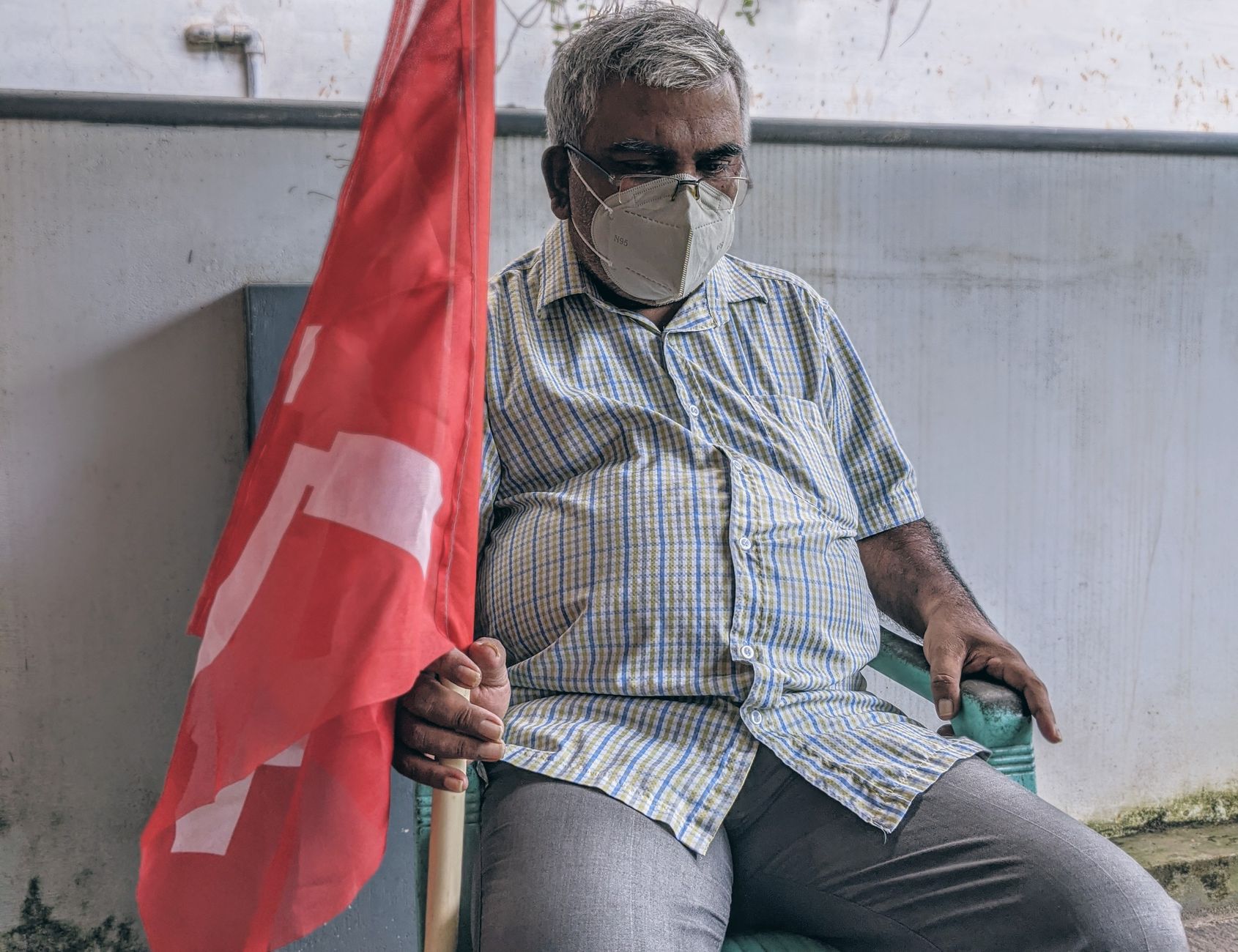
Abhijeet Dipke claims party members are stone-pelting, escalating tensions at the Delhi protest site.
CJP founder Abhijeet Dipke has accused members of the Bharatiya Janata Party (BJP) of infiltrating an ongoing protest at Jantar Mantar in New Delhi and engaging in stone-pelting. The allegation, made to media outlets, adds a volatile dimension to the demonstration that has drawn attention to the historic protest site. This incident underscores the charged political atmosphere in the capital as various groups continue to assert their demands.
Background of the Protest
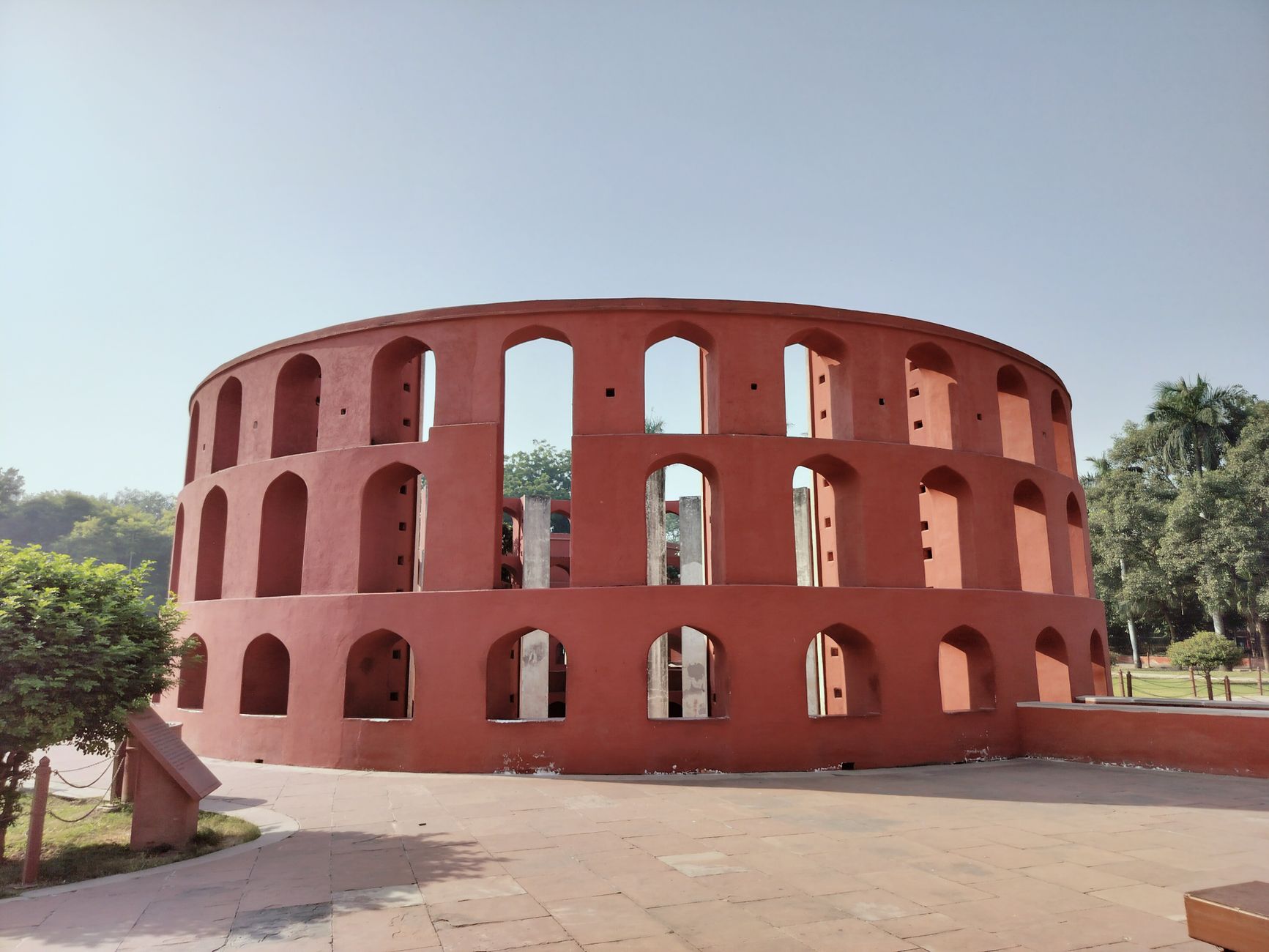
Jantar Mantar, an 18th-century astronomical observatory in the heart of New Delhi, has long served as a designated area for peaceful protests. Activists, civil society groups, and political organizations frequently gather here to voice grievances against government policies. The site's proximity to Parliament and other key institutions makes it a symbolic location for dissent. The current protest, organized by the CJP, appears to focus on issues related to governance and accountability, though specific demands have not been publicly detailed. The gathering has drawn a significant number of participants, and tensions have been simmering due to the presence of counter-protesters or alleged infiltrators.
The Allegation
Dipke specifically claimed that “Bharatiya Janata Party (BJP) goons” have entered the protest site and are throwing stones at participants. He did not provide evidence or specify the number of individuals involved, nor did he elaborate on how the infiltration was detected. The term 'goons' implies organized disruption, and the accusation directly ties the ruling party to attempts to destabilize the demonstration. Such a claim, if true, would represent a serious breach of protest regulations and could lead to legal consequences for those involved. Stone-pelting is a criminal offense under Indian law, and any perpetrators could face charges of rioting and unlawful assembly. The CJP founder's statement was delivered without immediate corroboration, leaving room for doubt and further inquiry.
Political Reactions and Legal Implications
As of now, the BJP has not officially responded to the allegations. Law enforcement authorities have also remained silent, possibly awaiting a formal complaint or further evidence. The lack of immediate reaction from the ruling party may indicate a cautious approach, as false claims could also attract legal action for defamation. The incident raises questions about the security of protest spaces and the potential for political violence. In recent years, India has seen several instances where political rivals have accused each other of deploying disruptors to undermine peaceful protests. This pattern adds context to Dipke's accusation, though each case must be evaluated on its own merits.
Broader Context of Protests in India
Jantar Mantar has been a stage for numerous high-profile protests, from farmers' rights movements to anti-corruption campaigns. The site has witnessed clashes between different groups, but direct accusations against a ruling party are relatively rare and tend to escalate media attention. The CJP's statement may further polarize the political environment, especially if counter-accusations or denials follow. Independent observers and journalists are likely to investigate the claims, and video footage or eyewitness accounts may surface to clarify the situation. Until then, the public must rely on official statements and responsible reporting.

Looking Ahead
The next steps will likely involve police inquiries into the allegations and possible measures to secure the protest site. The CJP may also release more details to substantiate its claim, such as named witnesses or additional footage. For now, tensions remain high at Jantar Mantar, and the incident serves as a reminder of the fragility of democratic spaces when political rivals clash. Observers will be watching for any escalation or evidence that could confirm or refute Dipke's account. The outcome could influence how future protests are conducted and policed, as well as the public's trust in political actors. This story is developing, and further updates are expected.