Canadian wildfire smoke chokes 20 US states, air quality plunges

More than 180 wildfires in northern Ontario send smoke across the Midwest and Northeast, triggering alerts in 20 states and making Chicago's air the worst globally.
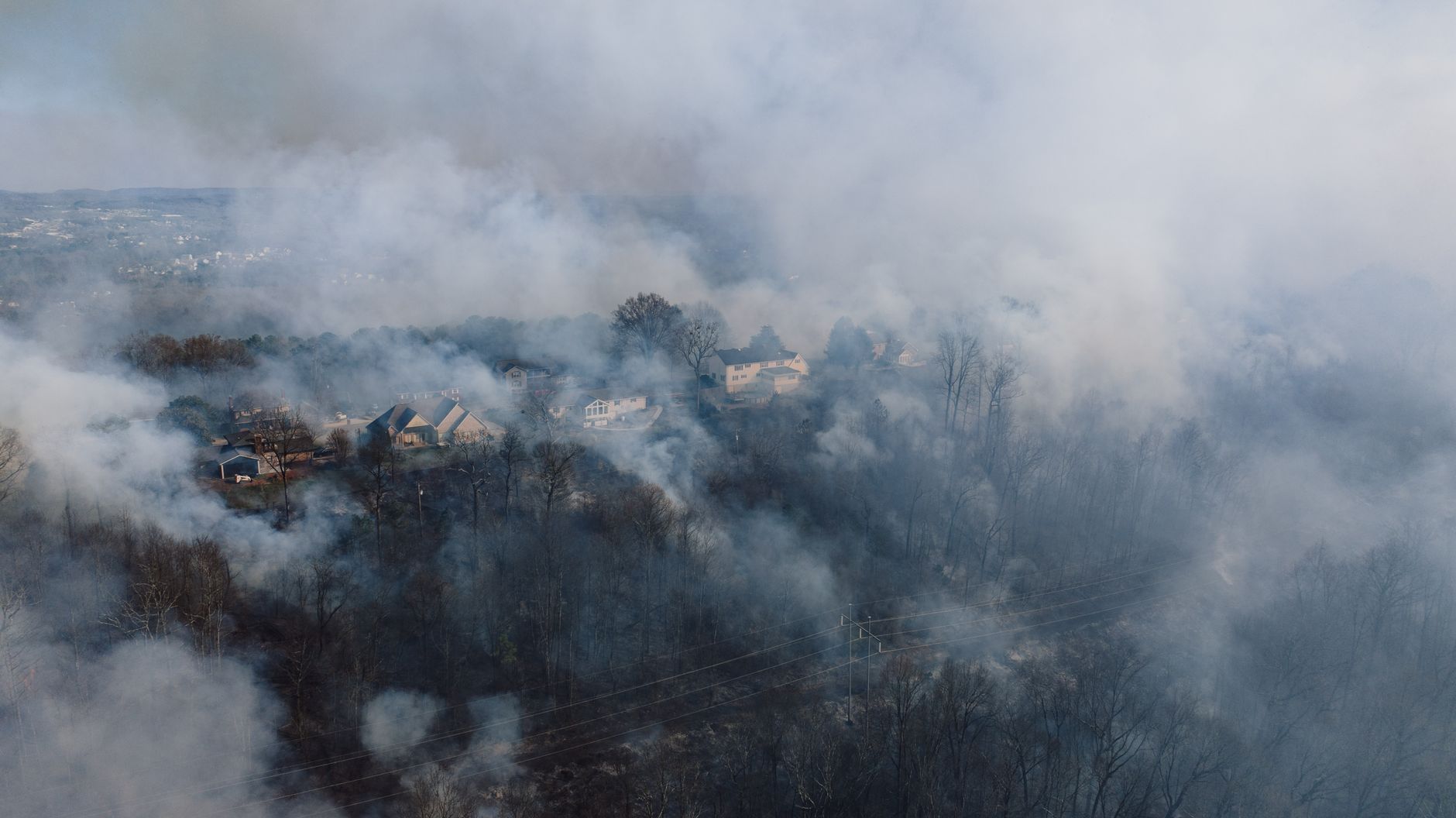
Thick smoke from wildfires raging in northern Ontario has drifted south, blanketing large swaths of the United States and causing air quality to plummet to hazardous levels in at least 20 states. Millions of Americans from Minnesota to New York are under air quality alerts, with officials urging residents to stay indoors and limit outdoor activities as the smoke continues to spread.
Smoke from Ontario fires blankets Midwest, Northeast
The smoke originated from more than 180 active wildfires burning in south-central Canada, particularly in northern Ontario, according to officials. Winds carried the smoke primarily southeast, over much of southern Ontario, parts of Quebec, and into the U.S. Midwest and Northeast. Satellites tracked the haze as it tinted skies gray and yellow and turned the sun orange in many areas. In New York City, the sky was tinged with an orange haze and the air smelled acrid, prompting local officials to urge residents to limit their time outdoors.

Worst air quality in the world for Chicago, Detroit
By Thursday evening, Chicago recorded the worst air quality of any major city in the world, according to IQAir's global rankings. Detroit and Minneapolis followed close behind. Air quality monitors in parts of Pennsylvania, New York, Ohio, Michigan, Illinois, Wisconsin, Minnesota, and Indiana registered levels classified as “very unhealthy,” while certain areas—including near Detroit and in parts of Pennsylvania, Ohio, Illinois, Wisconsin, and Minnesota—reached “hazardous” levels. The National Weather Service in Detroit warned that smoke would be most dense in the afternoon and evening, reducing visibility.
Health officials urge precautions as smoke lingers
In New York City, Mayor Zohran Mamdani said Thursday was expected to be the worst day of the event, cautioning that at “unhealthy” levels, everyone—not just those with respiratory conditions—could feel health effects. He advised all New Yorkers to take precautions. The city extended its heat emergency plan, opening hundreds of cooling centers, as high temperatures combined with the smoke. New York Governor Kathy Hochul announced additional measures to protect vulnerable populations. Officials across the affected states recommended that elderly people, pregnant women, and those with heart or lung disease remain indoors.
Wildfire season raises concerns for coming weeks
The unprecedented spread of smoke underscores the severity of the ongoing wildfire season in Canada, which has already burned millions of acres. With many fires still active and weather patterns likely to keep smoke moving south, experts warn that air quality could remain poor for days or even weeks. Communities are bracing for further disruptions, and public health systems are preparing for an increase in respiratory-related visits. The situation highlights the growing impact of climate change, as hotter, drier conditions fuel more intense and frequent wildfires, with smoke increasingly crossing national boundaries.