Nigeria's agro exports crash 31% on port delays, pesticides
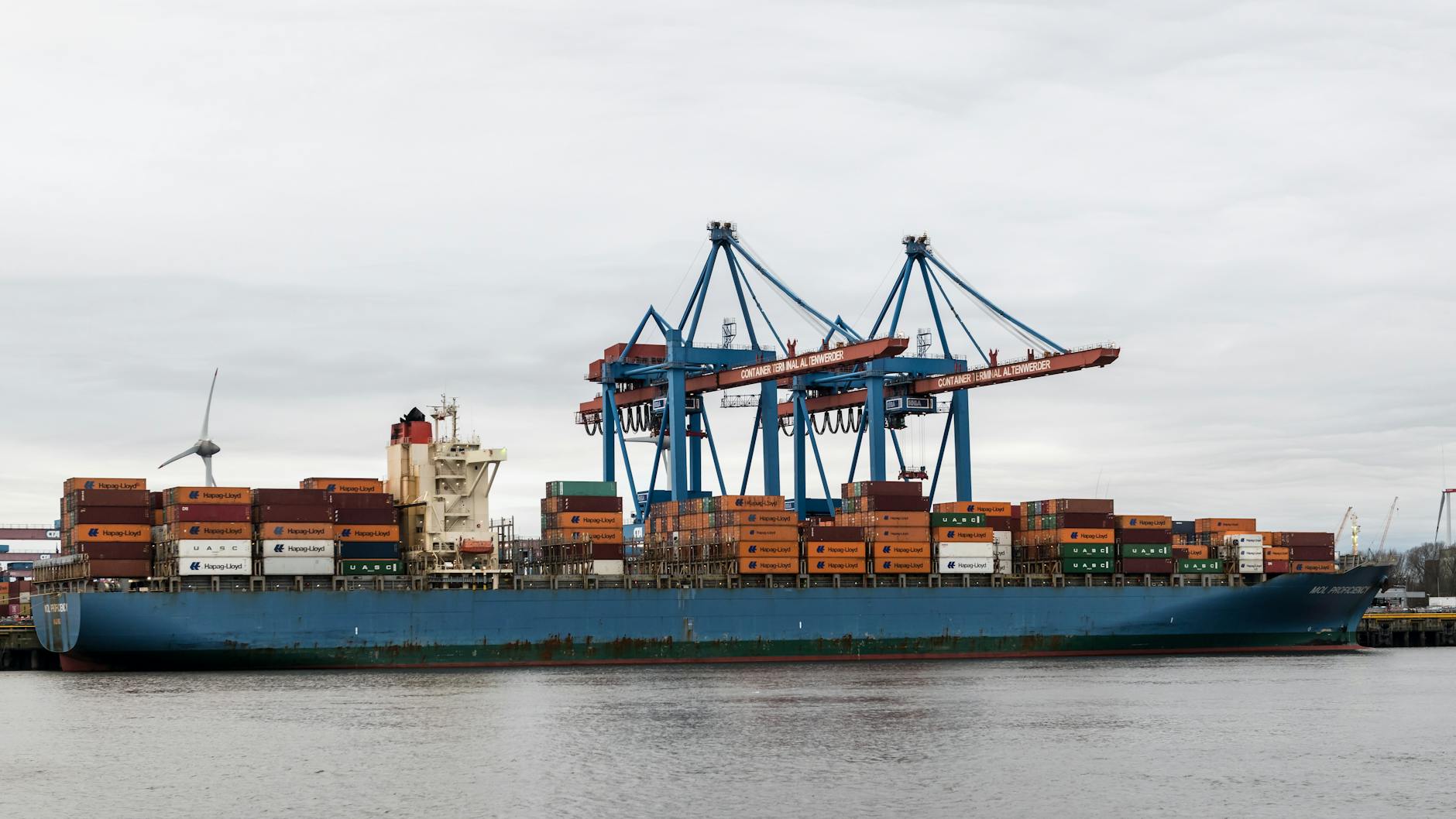
Nigeria's agricultural exports plunged 31.2% in Q1 2026 as port congestion, excessive pesticide use, and certification failures caused widespread rejections abroad, threatening non-oil diversification goals.
Nigeria's agricultural exports suffered a staggering 31.2% decline in the first quarter of 2026, driven by a combination of prolonged port delays, overuse of pesticides, reliance on outdated chemical preservatives, and failure to secure mandatory phytosanitary certificates. The sharp drop underscores deep structural challenges that are undermining the country's ambition to diversify its export base away from crude oil.
Port delays and logistical bottlenecks
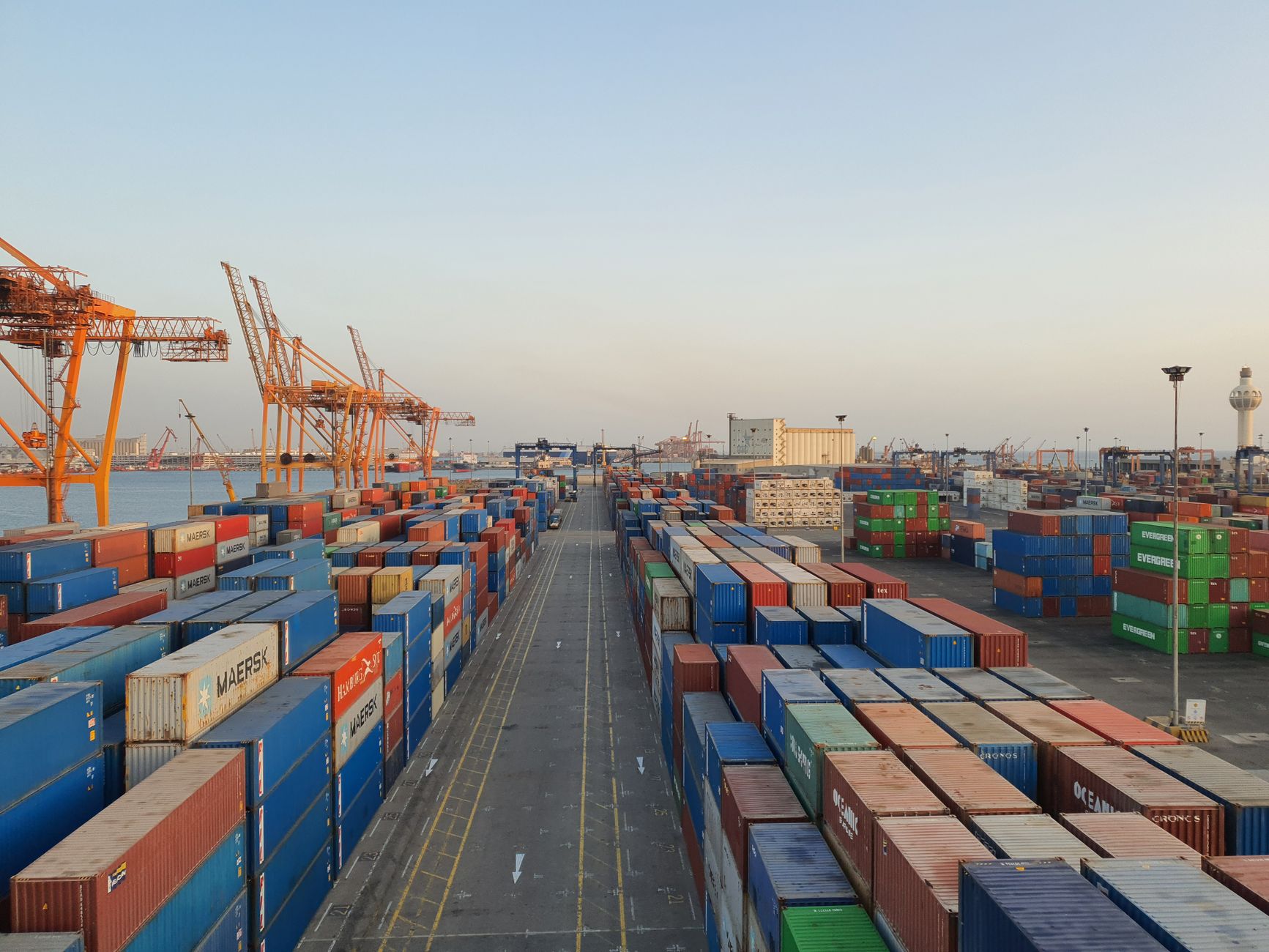
Port congestion at Nigeria's main seaports in Lagos and other key export hubs has been a persistent problem, but Q1 2026 saw an acute worsening. Exporters reported that produce such as cocoa, sesame seeds, and cashew nuts spoiled while waiting weeks for shipping space or clearance. The delays made it impossible to meet freshness and shelf-life requirements of international buyers, leading to contract cancellations and rejections at destination ports.
Industry sources say the bottlenecks are compounded by poor road infrastructure linking farms to ports, inefficient customs procedures, and a lack of dedicated cold-chain storage. The cumulative effect is that even high-quality produce loses value before it reaches foreign markets.
Pesticide and chemical residue concerns
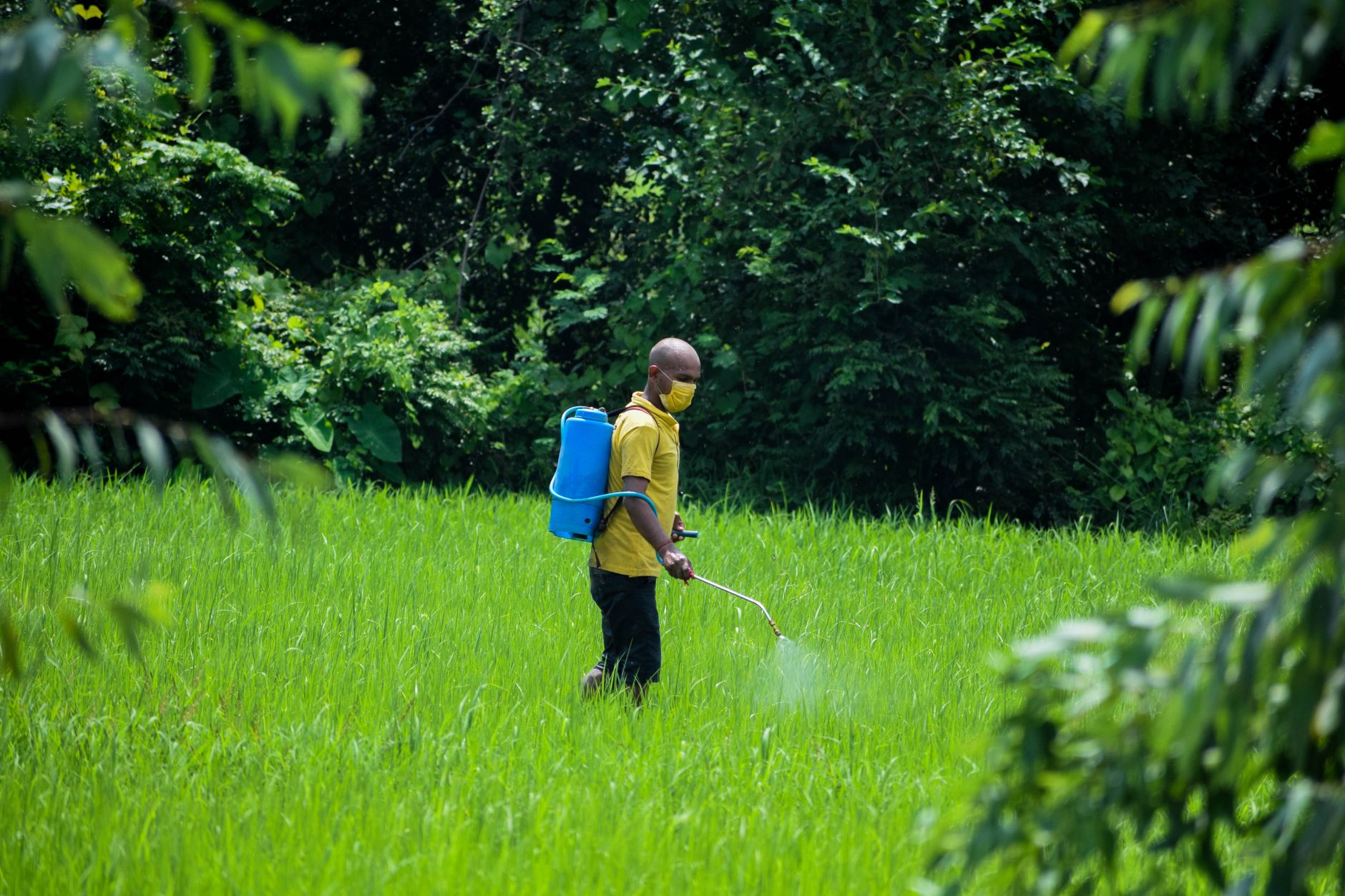
International rejection of Nigerian farm goods has also been fueled by excessive pesticide application and the use of chemicals banned under Codex Alimentarius standards. Importers in Europe, the United States, and other major markets have stepped up residue testing, and Nigerian shipments frequently fail to meet maximum residue limits.
The problem extends to post-harvest treatment, where outdated preservatives—some already prohibited elsewhere—are still used to extend shelf life. This has led to entire consignments being turned away, with the associated costs and reputational damage borne by exporters.
Phytosanitary certification failures
A third major factor is the failure to obtain required phytosanitary certificates, which attest that produce is free of pests and diseases. Nigerian plant health authorities have struggled to issue certificates in a timely manner, and in some cases, shipments have left port without proper documentation only to be barred entry abroad.
The lack of certified inspection facilities and trained personnel has been cited by trade groups as a systemic weakness. Without reliable certification, even high-quality products face suspicion and rejection in importing countries, which often designate additional testing that further delays clearance.
Economic impact and outlook
The 31.2% crash in agro export revenue during Q1 2026 is a major setback for Nigeria's economic diversification strategy. Agricultural exports had been a bright spot in the country's non-oil trade, but the recent decline threatens to reverse years of growth. Smallholder farmers, who produce the bulk of export crops, are the hardest hit.
Experts warn that unless urgent action is taken, the trend may worsen. Recommended measures include investment in port modernization, adoption of Good Agricultural Practices, phase-out of banned pesticides, and digitalization of phytosanitary certification. The government has announced plans to reorganize the National Agricultural Quarantine Service, but implementation has been slow.
Looking ahead, Nigeria must address these structural weaknesses if it hopes to regain the confidence of international buyers and sustain its non-oil export momentum. The Q1 2026 numbers are a stark warning that without systemic reforms, the country will continue to lose out in the competitive global agro-trade arena.