Venezuela earthquake: After 5,300 dead, families dig for missing

One month after devastating earthquakes, Venezuelans continue to search for missing loved ones as the government's response falls short of addressing the tragedy's human toll.
A month after two powerful earthquakes struck Venezuela, killing at least 5,300 people according to local sources, the official count of missing remains unknown. In affected communities along the coast, families continue to dig through rubble with their bare hands, refusing to abandon the search for loved ones as the state machinery threatens to bury grief under concrete.
A Disaster Without Official Numbers
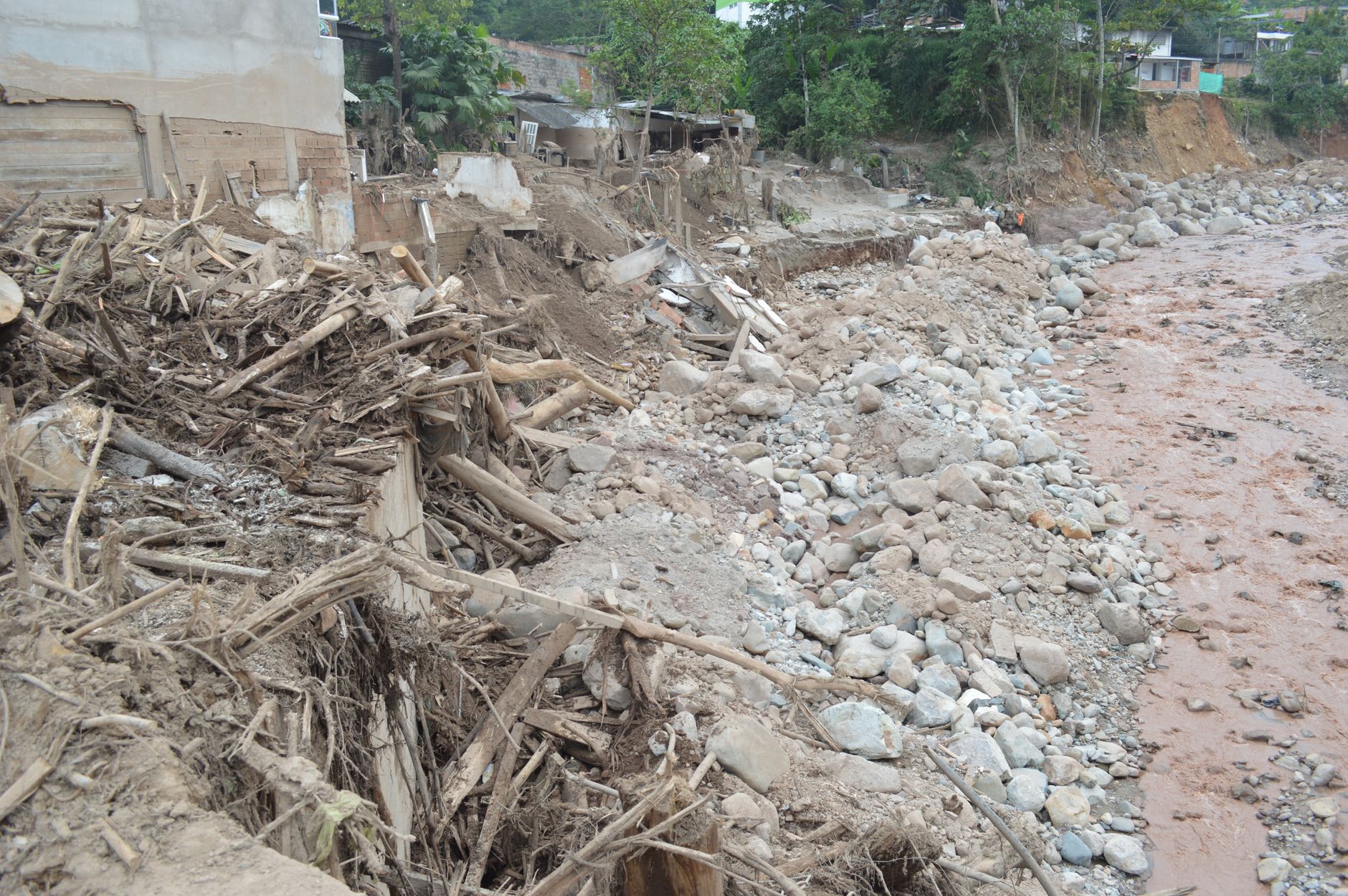
The earthquakes, which registered magnitudes of 7.5 and 6.8 respectively, caused widespread devastation in several states. Despite the mounting death toll, the government has yet to release a comprehensive figure of those missing. Local journalists and humanitarian groups have stepped in to compile lists, but the gap in official data has fueled anger and frustration. Residents say they cannot rely on the state to locate their family members, and many have taken matters into their own hands, forming volunteer search teams that sift through collapsed buildings and debris fields.
The Search Continues Amid Government Silence
In the hardest-hit city of Cumaná, dozens of people gather daily at the site of a pancaked apartment block. They bring water, tools, and food, working in shifts under the hot sun. 'The government told us the rescue phase is over,' said one volunteer, speaking on condition of anonymity. 'But we know there are still people under there. We hear them sometimes, or we smell them. We won't stop until we find everyone.' The national authorities have shifted focus to clearing rubble and rebuilding infrastructure, a process critics say prioritizes appearances over human life. Bulldozers have been seen pushing debris into mass graves, prompting fears that unidentified victims will be swept away permanently.
Psychological Toll and Community Resilience
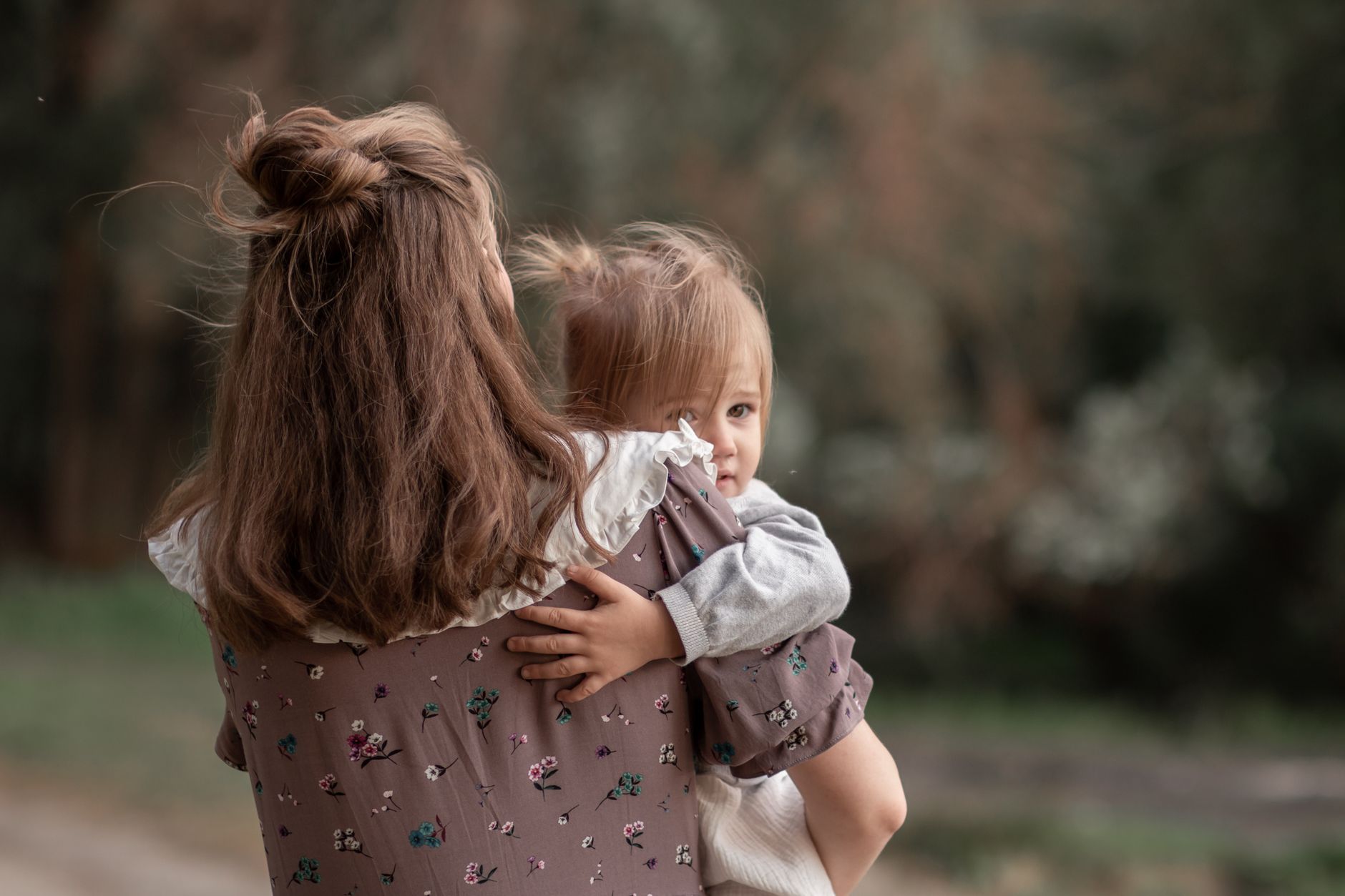
The emotional weight on survivors is immense. Many have lost multiple family members and now face the agony of uncertainty. Psychologists volunteering in the area report elevated rates of acute stress, insomnia, and grief-related illness. Yet amid the trauma, communities have organized mutual aid networks, sharing food, shelter, and information. 'The people are not going to leave their dead behind,' said a local priest who has been coordinating search efforts. 'This is a matter of dignity.' The government has promised housing reconstruction, but many suspect these plans are designed to quickly erase the scars of the disaster rather than honor the memory of the lost.
What Comes Next?
International aid has been slow to arrive due to sanctions and logistical hurdles. The Red Cross and other ngos have provided some supplies, but the scale of need is overwhelming. As the one-month mark passes, the focus is shifting from rescue to long-term recovery. However, without a transparent census of the missing, thousands of families may never achieve closure. The coming weeks will test whether the Venezuelan state can address the humanitarian crisis or whether the people will continue to rely on their own resilience to mourn and rebuild.