EVs surge to nearly quarter of Australia's new car sales amid fuel crisis
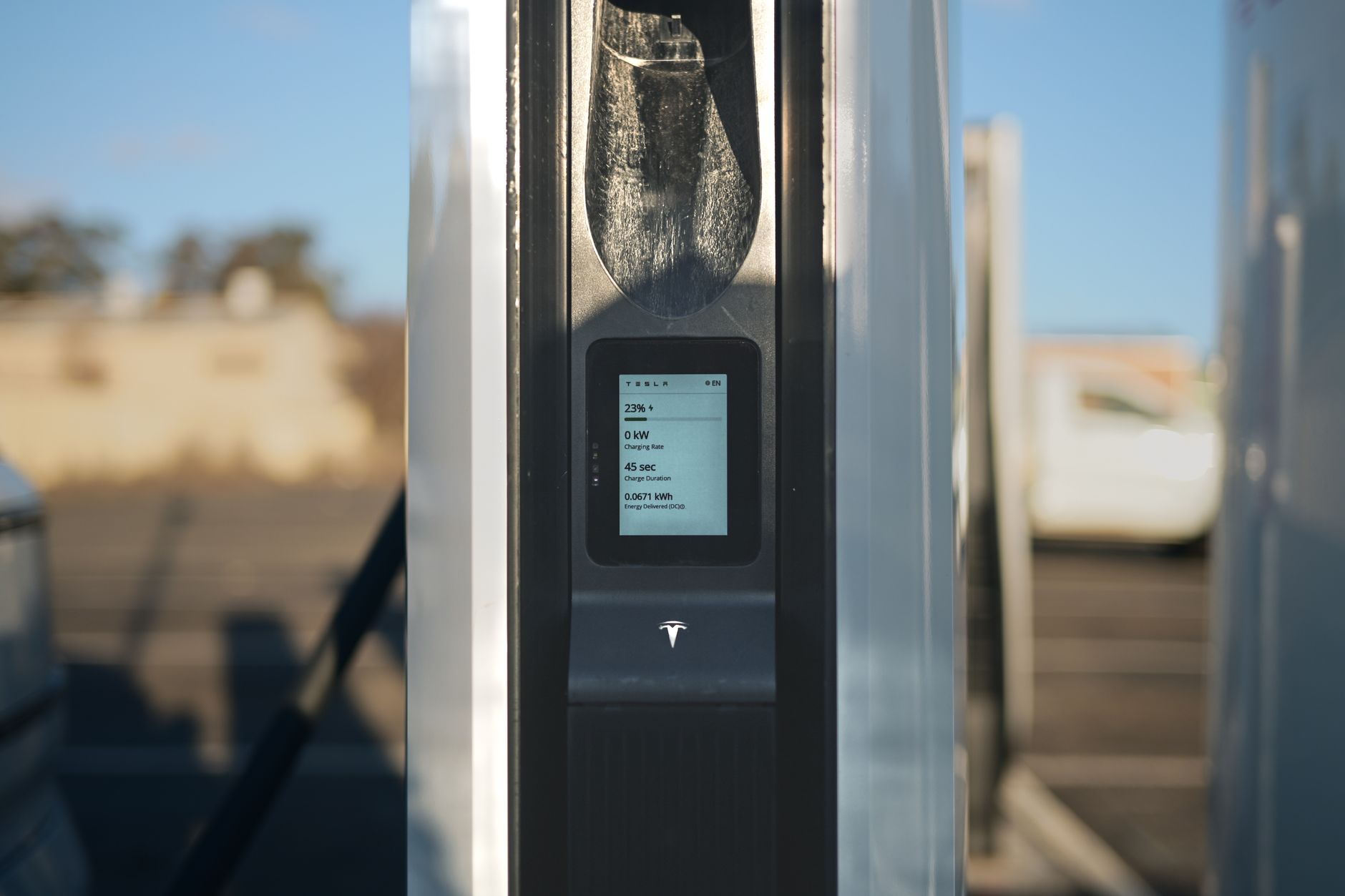
Australians bought more electric vehicles in the first half of 2026 than the whole of 2025, as the fuel crisis drives a surge in EV adoption. Battery EVs now make up 23.4% of new car sales, up from 10.3% a year ago.
Australians bought more electric vehicles in the first six months of 2026 than in the entire previous year, new data shows, as the ongoing Middle East fuel crisis and rising petrol prices accelerate the shift away from internal combustion engines. Battery electric vehicle (BEV) sales reached 103,855 between January and June, surpassing the 103,269 sold in all of 2025, according to figures from VFacts and the Electric Vehicle Council.
Record market share
BEVs now account for almost a quarter of all new car sales, with their share doubling from 10.3% in June 2025 to 23.4% in June 2026. Plug-in hybrid electric vehicles (PHEVs) also surged, with 54,121 sold in the first half of 2026 compared with 53,249 in all of 2025, representing 11.5% of monthly sales versus 4.8% a year earlier. The combined electric and plug-in hybrid share now exceeds one-third of the new car market.

Fuel crisis as catalyst
Julie Delvecchio, chief executive of the Electric Vehicle Council, said the sharp rise was driven by exceptional circumstances. “It’s clear that the fuel crisis has reminded all of us how reliant we really are on overseas fuel,” she said, adding that EVs “jumped to the top of the list” for many buyers who had been considering them. She noted that once people switch to an EV, they generally never go back, but cautioned that it remains to be seen whether the trend will be sustained.
Fuel prices are expected to rise again after the government’s temporary excise cut ends this Sunday. Diesel prices have already climbed by about 50 cents per litre in July to roughly A$2.20 on the major east coast cities.
Policy and market drivers
George Whitcombe, an EV analyst at Benchmark Mineral Intelligence, said it was rare for an automotive market to experience such a significant increase in EV sales. “This sets that market on a new trajectory,” he said. Beyond elevated fuel prices and uncertainty from the Iran conflict, Australia’s EV growth is also being driven by the federal government’s vehicle efficiency standard. However, Whitcombe noted that national uptake still lags behind many European markets, where penetration rates exceed 30%, and Nordic countries where they top 50% and reach as high as 92% in Norway.
Tony Weber, chief executive of the Federal Chamber of Automotive Industries, said the increase signals that EVs are moving beyond early adopters and becoming a significant part of Australia’s broader vehicle market. He attributed the recent spike to a combination of new-model launches, improved vehicle availability, and fuel price concerns. Weber pointed out that in 2026, 80% of EV sales occurred in just two of 20 market segments: small SUVs and medium SUVs.

Outlook and challenges
The ongoing transition will depend on vehicles remaining affordable and the continued expansion of model choice into new market segments, providing viable options for consumers. As the fuel crisis persists and policy support strengthens, Australia’s EV trajectory appears set to continue its steep climb, though sustaining this momentum will require addressing infrastructure and cost barriers.